

African nations are being called upon to take decisive steps toward health independence by bolstering their own financial contributions to medical systems, ramping up local production capabilities, and forging stronger collaborative bonds across borders to shield the continent from future disease threats.
Health security experts emphasize that Africa's vulnerability to disease outbreaks and health emergencies stems partly from insufficient domestic investment in healthcare infrastructure and an overreliance on international aid and imported medical supplies. The message being delivered to policymakers is clear: the continent must chart its own course toward self-sufficiency rather than remain dependent on external resources that may not always be available when crises strike. This imperative has become increasingly apparent as African nations have confronted various public health challenges in recent years, highlighting the fragility of systems that lack adequate homegrown support.
One critical component of this strategy involves increased domestic financing. African governments are being urged to dedicate greater portions of their national budgets to health initiatives, ensuring that healthcare systems are not perpetually reliant on donor funding that fluctuates based on international priorities and economic conditions. When countries invest substantially in their own health infrastructure, they create more stable, sustainable systems capable of responding quickly to emergencies without waiting for external assistance to materialize. This financial commitment demonstrates political will and creates accountability structures that respond directly to local populations rather than distant international bodies.
Strengthening local manufacturing represents another vital pillar of the proposed approach. The continent's dependence on imported medicines, vaccines, and medical equipment has proven problematic, particularly when global supply chains face disruption or when costs become prohibitively expensive. By developing regional pharmaceutical production and medical manufacturing capacity, African nations can ensure reliable access to essential medicines and treatments while also creating economic opportunities and employment. Local manufacturing facilities can respond more nimbly to the continent's specific health needs and reduce the delays and expenses associated with long-distance importation.
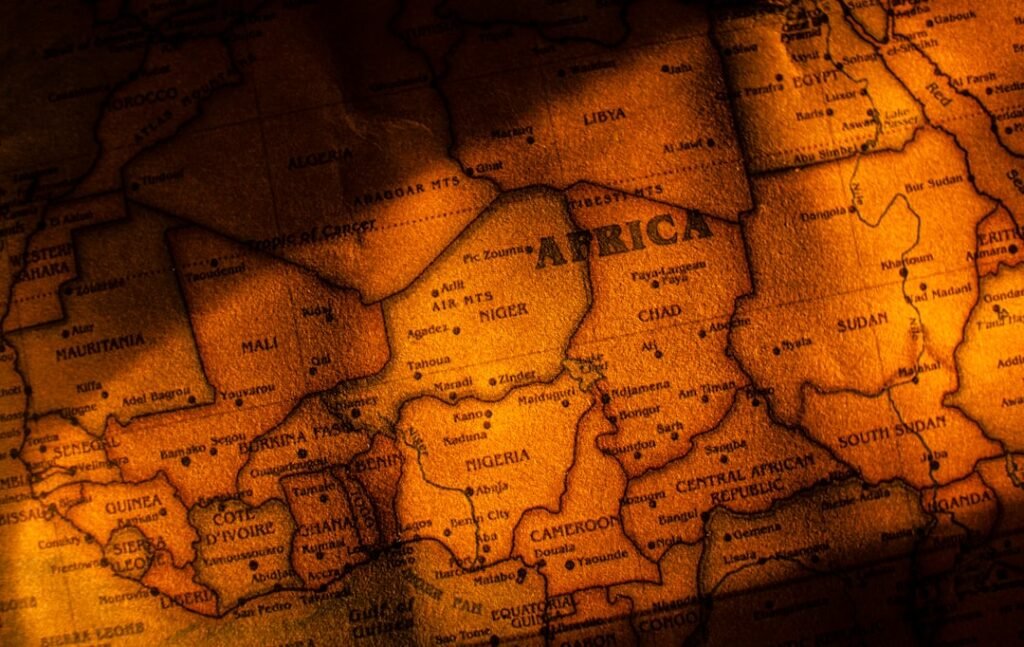
Perhaps equally important is the emphasis on deepened regional health cooperation. Disease recognizes no borders, and pathogens can spread rapidly across the continent regardless of political boundaries. When African countries coordinate their health surveillance systems, share epidemiological data, and establish joint response protocols, they create a collective defense mechanism stronger than any single nation could manage alone. Regional cooperation allows for the pooling of resources, expertise, and information, enabling faster detection and response to outbreaks before they become continental or global catastrophes. Such collaboration also facilitates the movement of medical professionals and resources to areas experiencing acute health crises, creating mutual support networks that strengthen the entire region.
The broader implication of this call to action is that African nations must transition from being passive recipients of international health assistance to becoming active architects of their own health destiny. This shift requires political commitment, strategic planning, and sustained investment. It demands that health be elevated as a priority across government sectors, not treated as a peripheral concern. The current global health landscape, marked by emerging infectious diseases and the potential for future pandemics, underscores the urgency of this transformation.
African leaders and health officials are being encouraged to recognize that true health security cannot be purchased from abroad or granted by international organizations. It must be built from within, sustained by domestic resources, and strengthened through cooperative regional frameworks. The path forward requires simultaneous action on multiple fronts—financial, industrial, and diplomatic—but the destination is clear: an Africa capable of protecting its own health and population.
Source: AllAfrica News: Africa | Published: Wed, 19 Aug 2026 05:28:14
Leave a Reply