
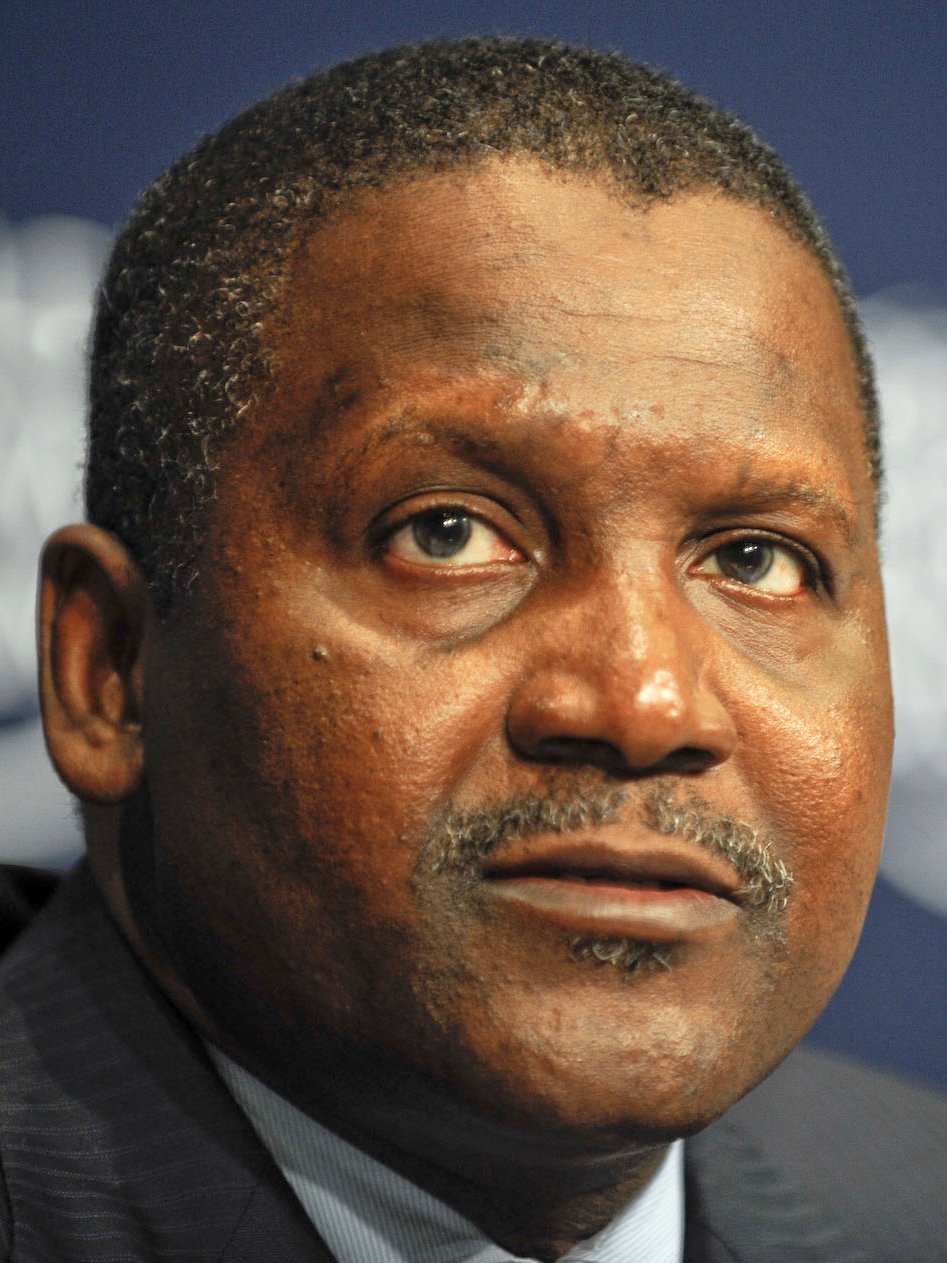
Nigerian industrialist Aliko Dangote and Kenyan President William Ruto have broken ground on a $16 billion oil refinery at Lamu, launching one of East Africa’s largest proposed industrial projects.
The ceremony took place on Wednesday, 30 September, with leaders and representatives from several African countries attending. The facility is planned to process 700,000 barrels of oil a day when completed, matching the stated capacity of Dangote Group’s refinery in Lagos.
Reuters reported the project is scheduled for completion in 2030, while the Associated Press said construction was expected to take about 40 months. Dangote Group will lead the project and has offered East African governments a combined stake of up to 30 per cent.
A Nigerian industrial model moves into East Africa
The refinery is designed to reduce the region’s dependence on imported petroleum products and the foreign currency used to pay for them. Dangote said the project was intended to support African processing of African raw materials instead of continuing the long-standing pattern of exporting crude resources and importing finished products.
Engineers India Limited has received a $450 million engineering contract. Honeywell has now also been selected to provide engineering services, technology licensing and equipment for the 700,000-barrel-a-day refinery. The complex is planned to include a 1,000-megawatt power plant, with surplus electricity offered to other customers.
Ruto described the project as an investment in energy security, industrialisation and regional integration. He said it would become Kenya’s largest foreign direct investment and could add substantially to the country’s economy. Officials have projected more than 50,000 jobs, although those forecasts will depend on construction, financing and the project’s eventual operating scale.
The refinery is intended to serve a market stretching across East Africa and parts of the continent’s eastern seaboard. Regional petroleum demand is estimated at between 20 million and 30 million tonnes a year, while Uganda and other countries are also advancing their own oil-production and refining plans.
Land and environmental questions remain
The launch does not remove every obstacle. Kenya’s High Court has ordered that parts of the proposed site be preserved while it considers a land-ownership case brought by residents. Environmental groups have also raised concerns about possible effects on Lamu’s coastline, marine life and the nearby World Heritage site.
Those issues mean the project will face scrutiny over land rights, compensation, environmental safeguards and crude supply as construction advances. They also underline the difference between a groundbreaking ceremony and a fully financed, operating refinery.
For Nigeria, the project marks a major outward expansion by one of its largest industrial groups. It follows other Dangote-linked regional investments, including the Ethiopia–Djibouti fuel pipeline plan. DGBN has also examined the role of modern refining in African economic growth and feedstock pressures affecting Dangote’s Nigerian operations.
Sources: Reuters and Associated Press.
Featured image: Aliko Dangote at the World Economic Forum on Africa in 2011. Matthew Jordaan/World Economic Forum via Wikimedia Commons, CC BY-SA. File photo; not taken at the Lamu ceremony.