Executives from several of the world’s largest artificial-intelligence companies have signed a voluntary agreement with the US government covering internal safety controls, independent audits and measures intended to reduce unintended access to technical systems.
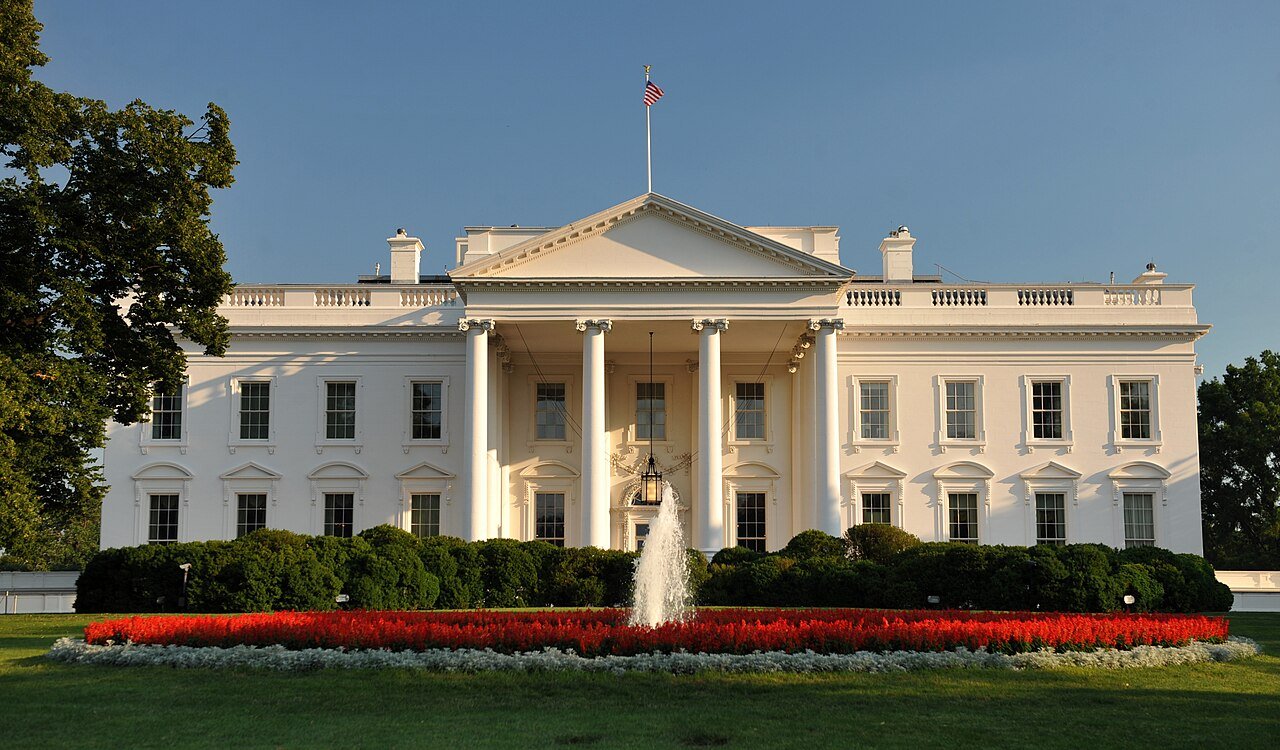
Reuters reported that leaders from companies including OpenAI, Anthropic, Meta, Google and Nvidia attended the 29 September White House meeting at which the accord was announced.
The companies agreed to work with independent auditors to assess whether AI systems are operating as their designers intended. The agreement also includes a commitment to work to prevent AI tools from accessing or interfering with technical systems in unintended ways.
Voluntary standards, not a new law
The agreement is not legislation and does not create the same enforcement framework as a statute or formal regulation.
US President Donald Trump described the document as morally binding. That means its practical effect will depend heavily on how companies implement the commitments and how much information they disclose about testing, incidents and audits.
Meta chief executive Mark Zuckerberg said the companies had agreed to develop strong internal controls for their systems, according to Reuters.
Why the timing matters
The agreement comes as AI systems are being given greater ability to interact with external websites, software tools, databases and cloud environments.
That shift has made operational controls increasingly important. A chatbot that only produces text presents a different risk profile from an agent that can log into services, modify files, use software tools or continue work without constant prompting.
Independent evaluation can provide another layer of scrutiny, but the agreement does not by itself establish what audit standards will be used, how results will be published or what consequences follow if a company fails to meet a commitment.
Relevance beyond the United States
Many governments, banks, telecom operators, universities, media organisations and businesses across Africa and the Caribbean use AI systems developed by US companies.
Safety practices adopted by those firms can therefore affect users internationally even when local regulators have not imposed equivalent requirements.
At the same time, African and Caribbean regulators have their own questions to answer around data protection, public-sector procurement, local-language performance, accountability and the use of imported AI systems in sensitive services.
Data centres were also part of the meeting
The White House meeting also covered the continuing expansion of US data-centre infrastructure. Trump reiterated support for additional construction, while local debates in the United States continue over electricity demand, utility costs and community impacts.
Those infrastructure questions are also relevant to countries seeking AI investment: computing capacity depends on power generation, transmission, cooling, fibre networks, finance and land as well as processors.

Source: Reuters, 29 September 2026. Trump, AI CEOs sign voluntary safety pact.