
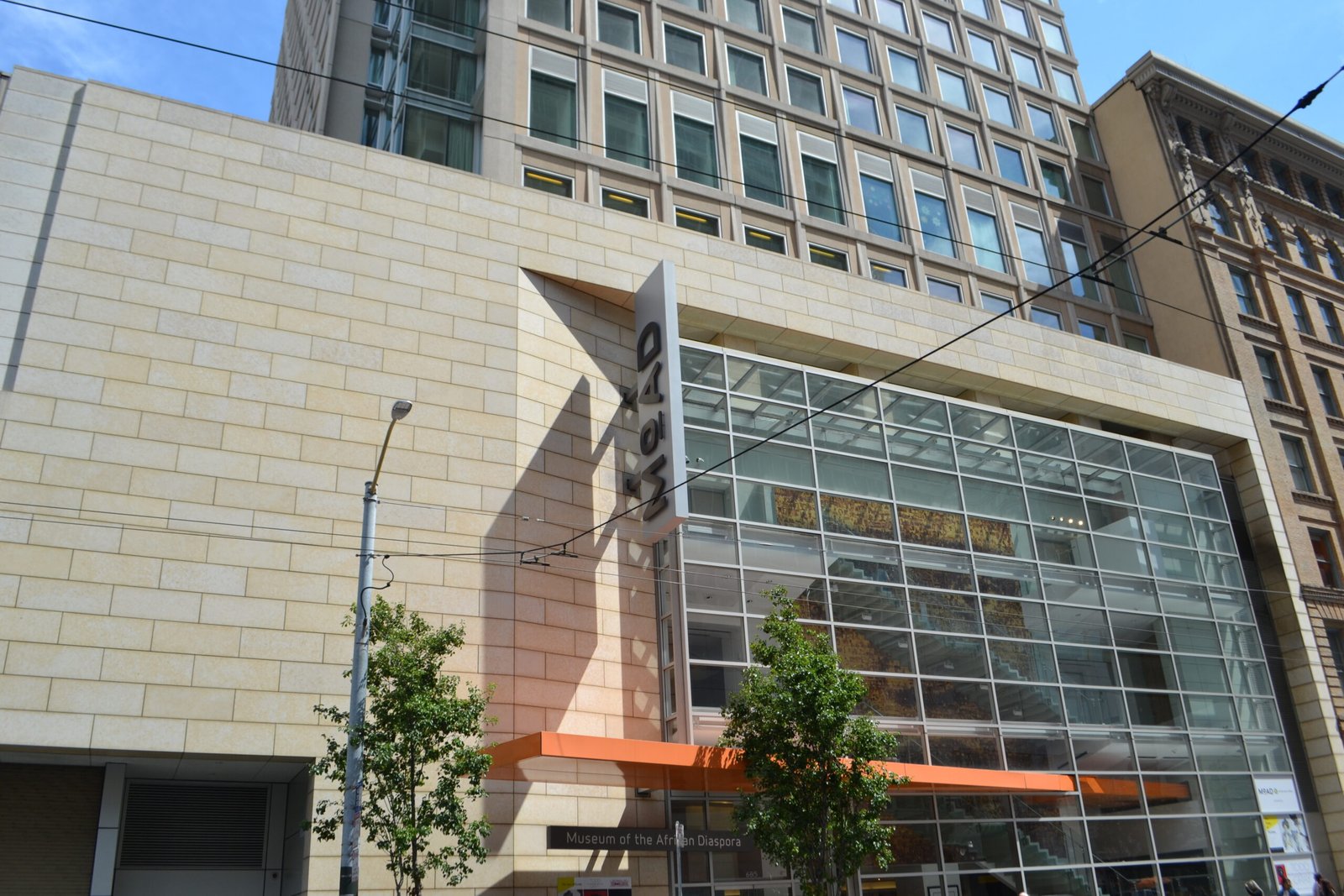
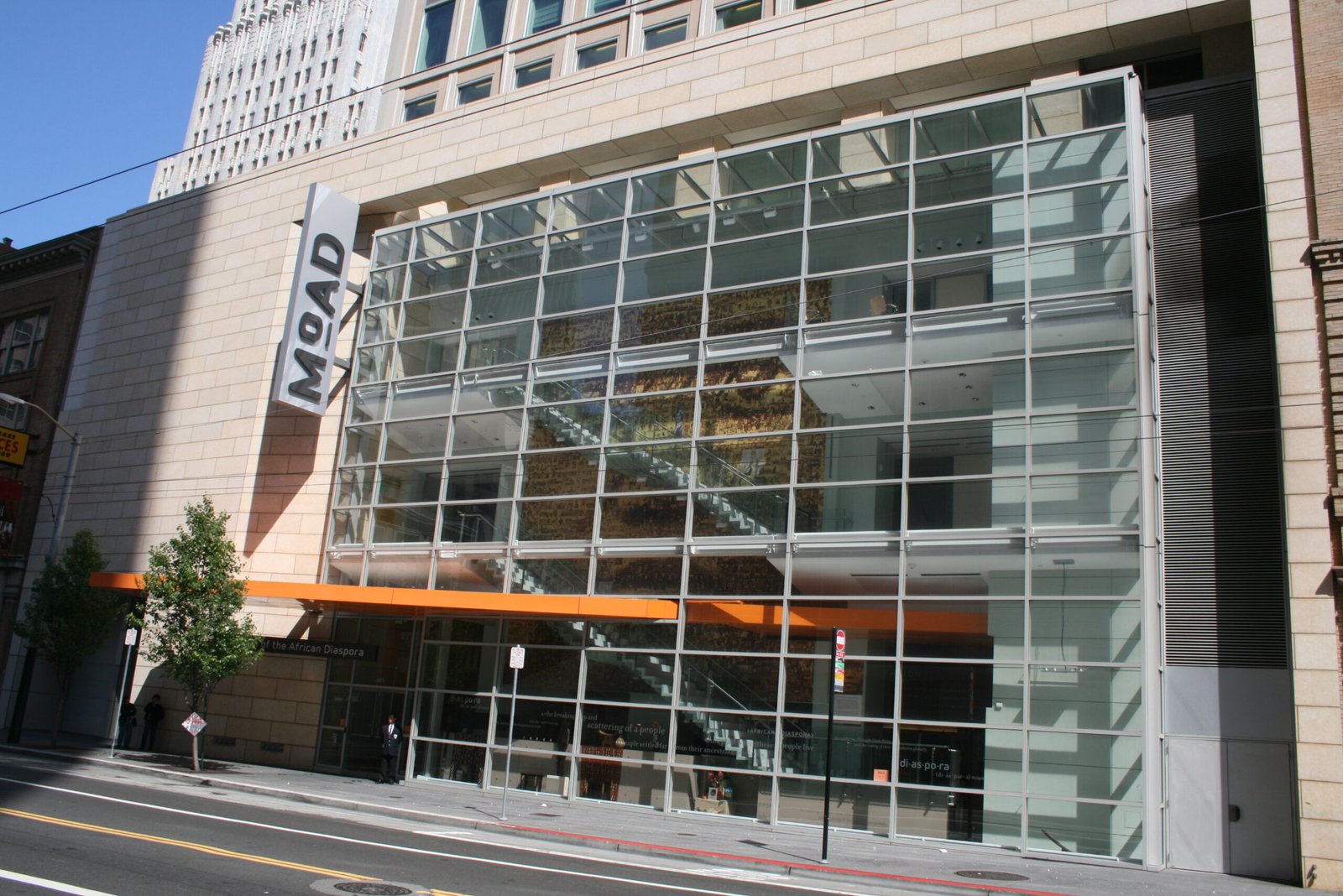
The Museum of the African Diaspora exterior in 2017. Archival venue photograph. Photo: Minette Lontsie / Wikimedia Commons, CC BY-SA 4.0.

Three artists of the Jamaican diaspora are using ceramic practice to explore migration, family memory and the histories carried by everyday objects in a new exhibition at San Francisco’s Museum of the African Diaspora.
After the Island: Ornament and Ceramic Practice in the Jamaican Diaspora features PJ Anderson, Jacqueline Bishop and Sharon Norwood. It runs from 30 September 2026 to 30 May 2027 on the museum’s third floor.
The exhibition is presented in partnership with Toronto’s Black Artists’ Networks in Dialogue and the Gardiner Museum. It connects Jamaican experience with the places, materials and traditions the artists have encountered through the diaspora.
Objects carrying more than decoration
Ornament is the exhibition’s meeting point. Patterns, surfaces and familiar domestic forms become ways to examine what an object remembers and how that memory travels.
Anderson’s practice connects clay with African and American traditions. Bishop uses the visual language of decorated ceramics to bring Caribbean histories into objects associated with domestic display. Norwood’s work uses curling lines and found forms to explore Black identity and representation.

Their approaches place the gallery in conversation with the home. A plate, vessel or piece of china can carry associations with family routines, aspiration and inheritance as well as the wider forces that shaped those lives.
Reconstructing Caribbean memory
The exhibition, curated by Key Jo Lee, includes work that returns attention to people whose labour and experience can disappear from conventional historical accounts.
Ferrin Contemporary’s account of Bishop’s contribution describes ceramic chargers depicting banana workers and market women. These figures place Caribbean work and survival within the ornament of the object itself.
That connection gives After the Island its wider significance. Migration changes where people live, but cultural memory can continue through materials, images and the things families keep. The artists make those connections visible through the choices they make in clay.
More from DGBN: More culture coverage from DGBN · More caribbean coverage from DGBN · More diaspora coverage from DGBN
Sources: Museum of the African Diaspora · Ferrin Contemporary