

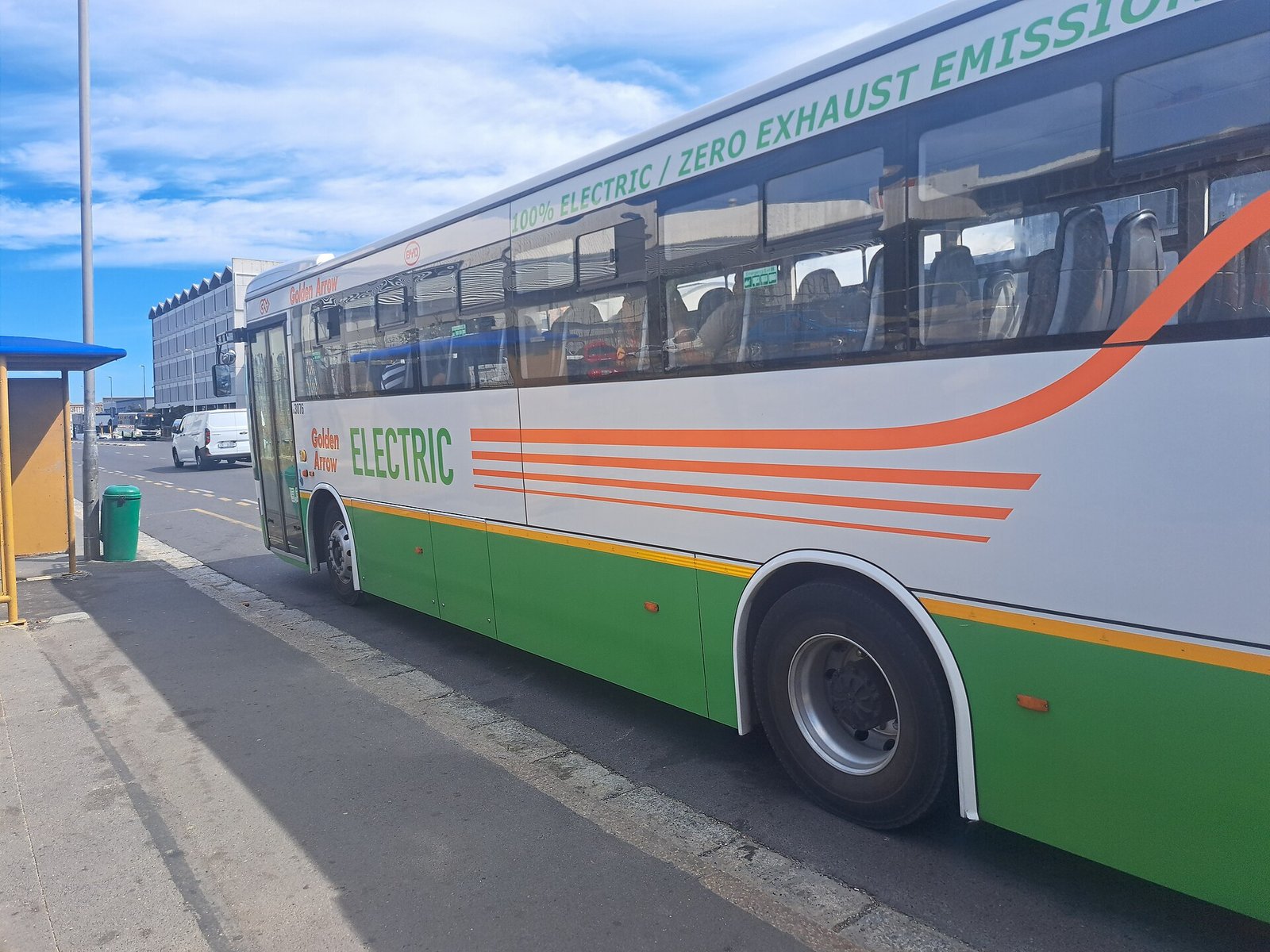
Photo: Axxter99 / Wikimedia Commons, CC BY-SA 4.0
African governments and regional institutions have been urged to move from electric-mobility commitments to delivery, linking cleaner transport to industrial growth, energy security and jobs.
From frameworks to implementation
The Africa E-Mobility Week & Forum 2026, held in Stellenbosch, South Africa, from 28 to 30 September, brought together governments, business, financiers, researchers and civil-society groups under the theme, The African E-Mobility Strategy: From Policy to Action.
DGBN has also reported on Zimbabwe’s e-mobility drive gains traction with Chinese EVs.
According to the UN Economic Commission for Africa (ECA), participants agreed that progress must accelerate if electric vehicles are to help reduce dependence on imported fossil fuels, improve urban air quality and enable African countries to gain greater value from their critical-mineral resources.
The forum was jointly organised by the African Union Commission, the UN Environment Programme, ECA and the Africa E-Mobility Alliance. Its joint declaration calls for investment in local vehicle manufacturing and assembly, battery-material processing, charging networks, renewable-energy integration and affordable finance.
Standards, infrastructure and skills
ECA officials identified four immediate priorities: regional manufacturing value chains; charging infrastructure and power-system readiness; financing and incentives; and investment in skills, public awareness, innovation and research.
Delegates also highlighted the need for common standards across borders. That includes vehicle and battery safety, charging systems, payment compatibility and interoperability — practical measures that could make it easier for firms to operate across African markets and for consumers to use charging services reliably.
For more context, read DGBN’s coverage of Why Saudi Arabia is making a play for East Africa.
The declaration further urges governments to develop clearer rules for used electric-vehicle imports, battery reuse, recycling and disposal. These questions are central to ensuring that Africa does not simply become a destination for ageing vehicles and batteries from wealthier markets.
AfCFTA opportunity
Participants called on the African Union, regional economic communities and member states to align policy and use the African Continental Free Trade Area to lower barriers to regional electric-vehicle supply chains.
The push builds on a Continental Framework on Electric Mobility endorsed by African transport and energy ministers in April 2026. The framework is designed to guide member states on electric-vehicle adoption, local manufacturing, charging infrastructure and an inclusive transition. UNEP has said that around half of African countries are already involved in assembling or manufacturing EVs or charging equipment, while 31 countries reference electric mobility in their national climate plans.
Forum participants also backed an Africa-wide e-mobility database. ECA proposed a pan-African observatory to track vehicle uptake, charging capacity, power demand, environmental effects and jobs.
Why it matters
For Black communities across Africa and the diaspora, the debate is about more than replacing petrol cars. It is about whether the continent can build ownership in a fast-growing global industry rather than exporting raw minerals while importing finished technologies.
Related DGBN reporting includes US Treasury’s Bessent faces G20 diplomacy test amid tariffs, Iran war, bond turmoil.
If backed by coordinated investment, regional standards and accessible finance, Africa’s electric-mobility transition could support skilled work for young people and women, expand home-grown innovation and reduce exposure to volatile fuel-import costs. But the forum’s central message was clear: strategies alone will not deliver those gains without implementation.