
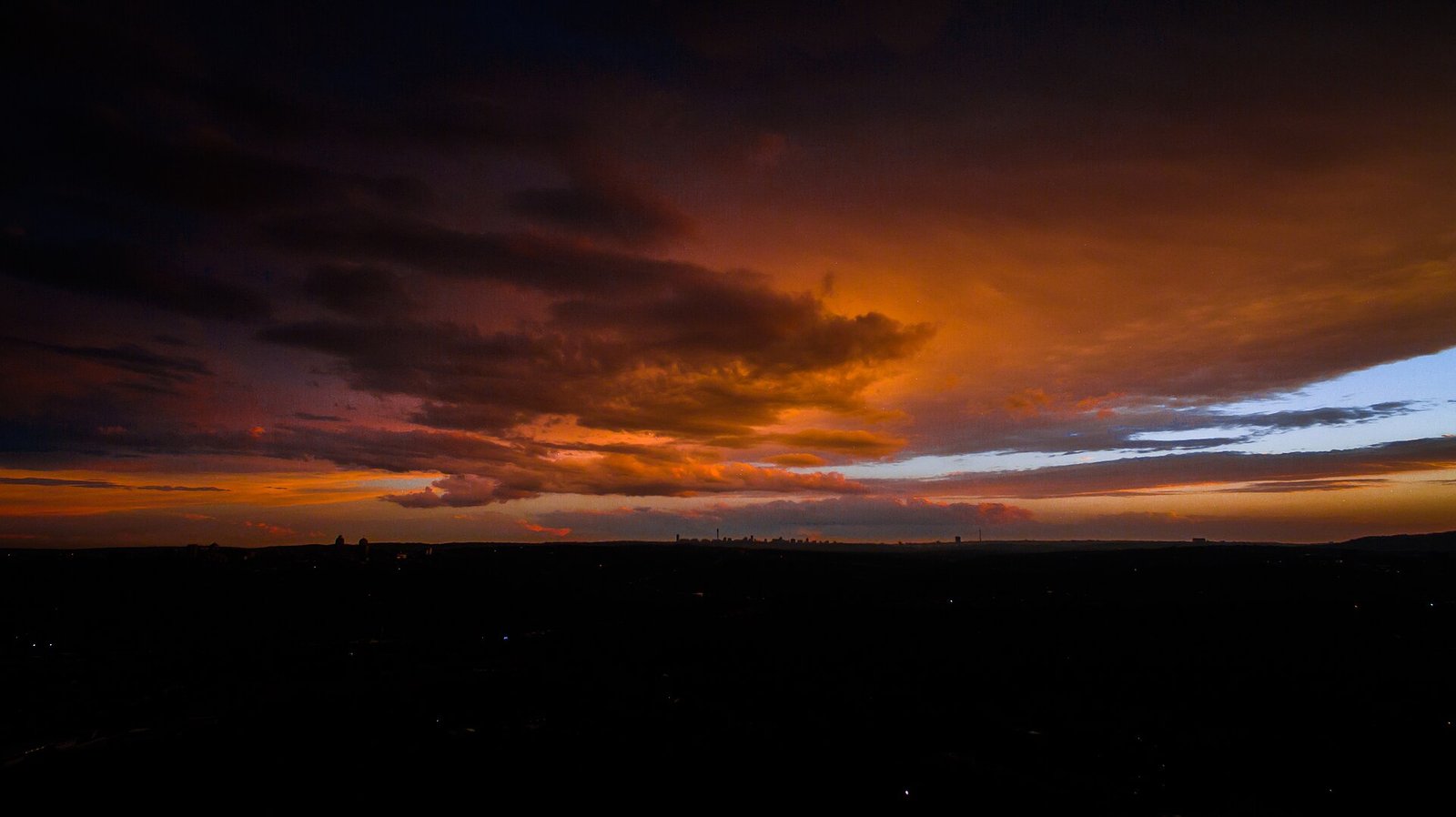
Photo: Ryanj93 / Wikimedia Commons, CC BY-SA 4.0
South Africa has moved to turn rising visitor numbers into jobs and local economic growth by presenting a R3.5 billion tourism-infrastructure pipeline to investors in Johannesburg.
Investment summit sets out bigger pipeline
Tourism Minister Patricia de Lille hosted the South African Tourism Infrastructure Investment Summit on 1 October, bringing together government, financiers, project owners and industry representatives.
DGBN has also reported on Why Saudi Arabia is making a play for East Africa.
The department says the 2026 summit featured 15 investment-ready tourism opportunities with a combined potential value of R3.5 billion. Three projects have already secured funding commitments, according to De Lille’s keynote address.
That marks an expansion from the inaugural 2025 summit, which presented eight bankable projects valued at nearly R1 billion. Government’s stated aim is to match private capital with projects that can add accommodation, attractions and visitor services across the country.
Arrivals strengthen the case for new capacity
The investment push follows continued growth in international arrivals. South Africa received 1,005,286 international tourists in August 2026, a 7.4% increase on August last year, the Department of Tourism said.
For more context, read DGBN’s coverage of PrideInn chief urges visa-free Africa to unlock business events growth.
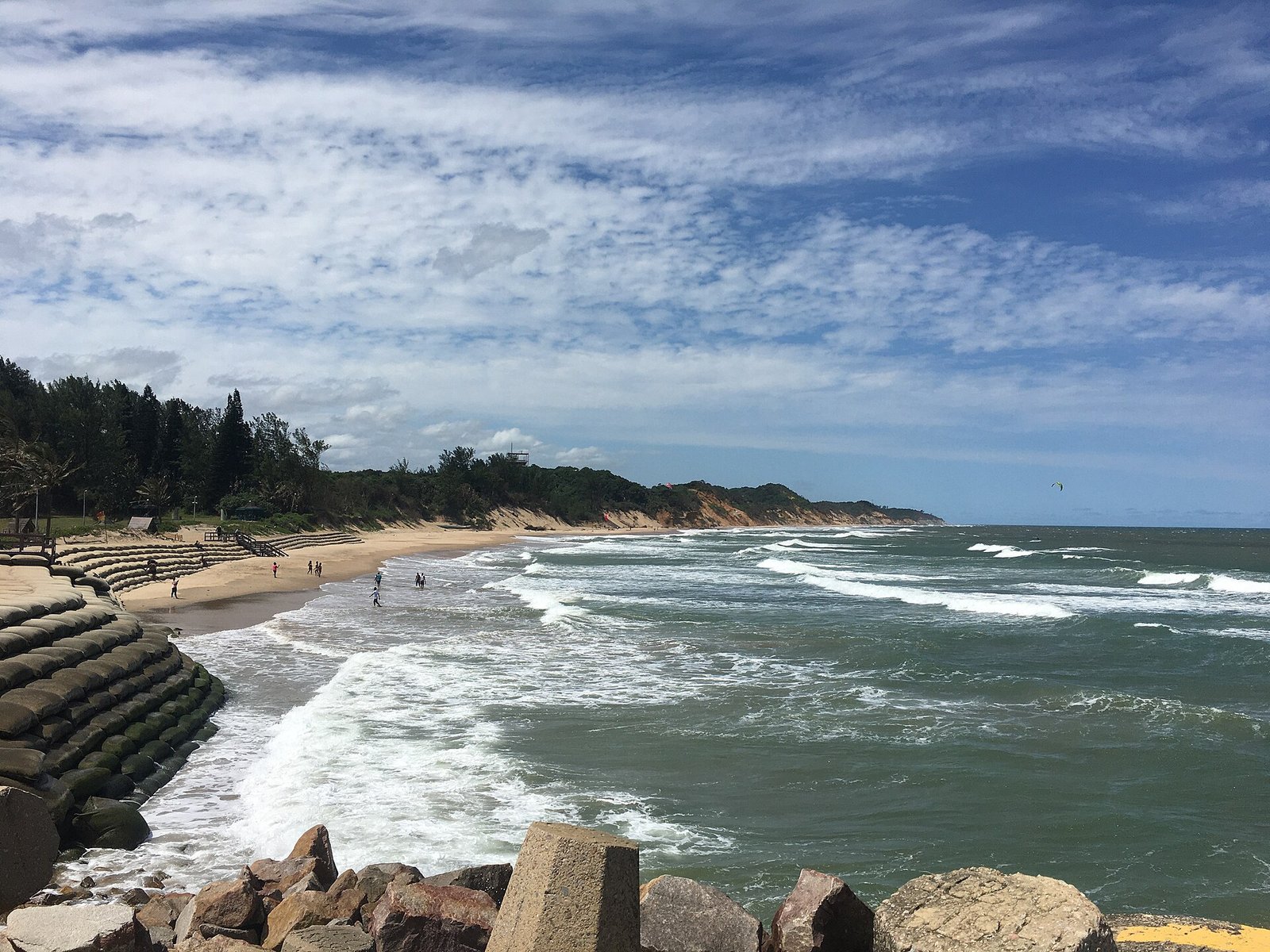
From January to August, arrivals reached 7,581,455 — up 11.7% year on year. The department said South Africa was the strongest-performing African destination in the first half of 2026, citing UN Tourism data showing 12% growth in international arrivals.
De Lille has argued that growing demand must be converted into longer stays, wider travel across the country and more spending in communities rather than being treated simply as an arrivals statistic.
Why it matters
For Black South Africans, the stakes extend beyond headline investment totals. Tourism supports livelihoods across accommodation, transport, food, culture, guiding, retail and small enterprises, including in rural areas, townships and heritage destinations that have often been excluded from major investment flows.
The government says tourism directly employed 953,981 people in 2024, equivalent to 5.7% of total employment, while contributing 4.9% of gross domestic product directly. Whether the new pipeline delivers inclusive gains will depend on how projects are financed, who owns and supplies them, and whether communities share in the jobs and revenue created.
The department has established a Tourism Infrastructure Facilitation Unit and strengthened cooperation with Infrastructure South Africa and the Industrial Development Corporation to help investors navigate project barriers. It is also promoting a national route-development plan intended to improve coordination between government, provinces and the private sector.
Related DGBN reporting includes AfDB and Morocco Sign €270m Airport Financing Deal to Expand Major Hubs.
For wider context, see Mbappé leaves France camp with knee tendon injury after scoring in Zidane’s first game on Diajem Sports Network.
The summit itself is a recent development, held on 1 October 2026. The investment figures are prospective project values, not confirmed money already spent.