
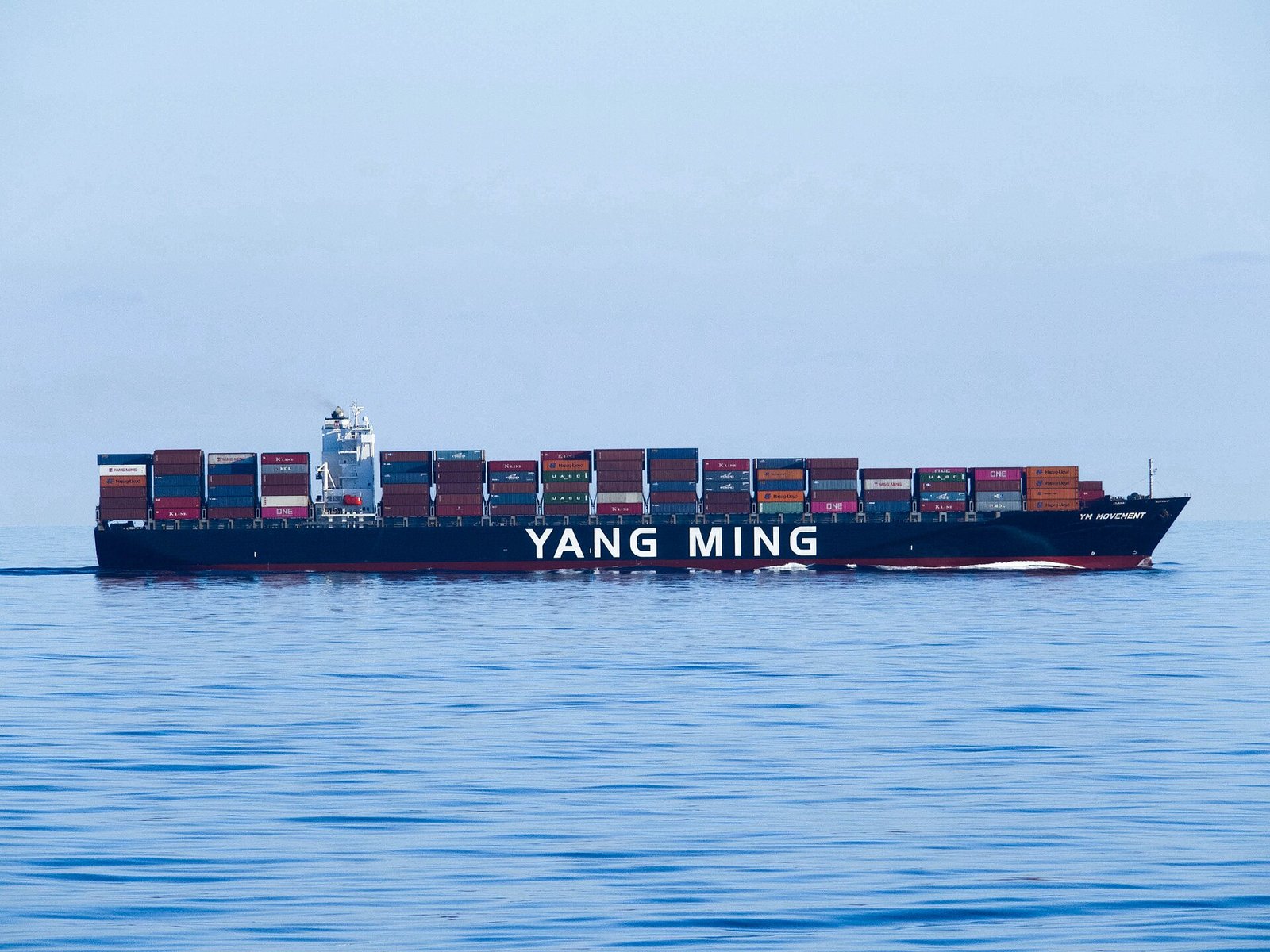
Photo: User: RH / Wikimedia Commons, CC BY-SA 4.0
Egypt and South Africa have launched a joint business council aimed at converting closer political ties into investment, trade and industrial projects across the continent.
Focus on projects, not promises
Egyptian Foreign Minister Badr Abdelatty took part in the council’s launch on Friday, 2 October, during the inaugural Alamein-Africa Forum in New Alamein City.
DGBN has also reported on Egypt’s Alamein-Africa Forum opens with push to convert continental potential into investment.
Original source: Original source.
Egyptian officials said the body is intended to provide a practical channel for companies and investors in both countries to develop joint ventures and expand commercial links. Priority areas include mining, manufacturing, renewable energy, agriculture and food processing, pharmaceuticals, transport, ports and infrastructure.
The initiative comes as Africa’s two major economies seek to strengthen north-south economic connections at a time when continental institutions are urging governments and businesses to turn integration commitments into bankable projects.
Linking northern and southern Africa
Cairo and Pretoria also discussed reciprocal logistics zones, regular shipping services and fuller use of the Suez Canal and both countries’ ports. Those measures could help reduce the physical and commercial barriers that continue to limit intra-African trade.
For more context, read DGBN’s coverage of Egypt leave Mohamed Salah out of South Sudan trip over artificial pitch fears.
The council is expected to draw on the countries’ shared membership of BRICS and South Africa’s participation in Afreximbank to widen access to financing for private-sector ventures.
The Alamein-Africa Forum runs from 2 to 4 October and is co-organised by Egypt, Afreximbank and the African Union Development Agency–NEPAD. Organisers say the forum is designed as a biennial platform bringing governments, financiers and businesses together around investment, industrialisation and infrastructure.
Why it matters
For Black communities across the continent and diaspora investors watching African markets, the significance will lie in delivery. Africa has no shortage of declarations on trade integration; it needs reliable transport links, regional supply chains, manufacturing capacity and finance that reaches African-owned businesses.
A functioning Egypt–South Africa business council could connect two of the continent’s most industrially capable economies, creating opportunities for firms to move beyond exporting raw materials and into higher-value production. Its success, however, will depend on whether announced partnerships result in funded projects, jobs and trade flows rather than another layer of institutional diplomacy.
Related DGBN reporting includes Ghana qualifies for quarterfinals of Africa Volleyball Nations Cup after beating Zambia.
For wider context, see Ghana part ways with Carlos Queiroz after poor AFCON qualifying start on Diajem Sports Network.
The launch also places African private capital and enterprise at the centre of wider Agenda 2063 ambitions for continental integration — a shift that matters if economic growth is to be led increasingly by African businesses and benefit African workers.