
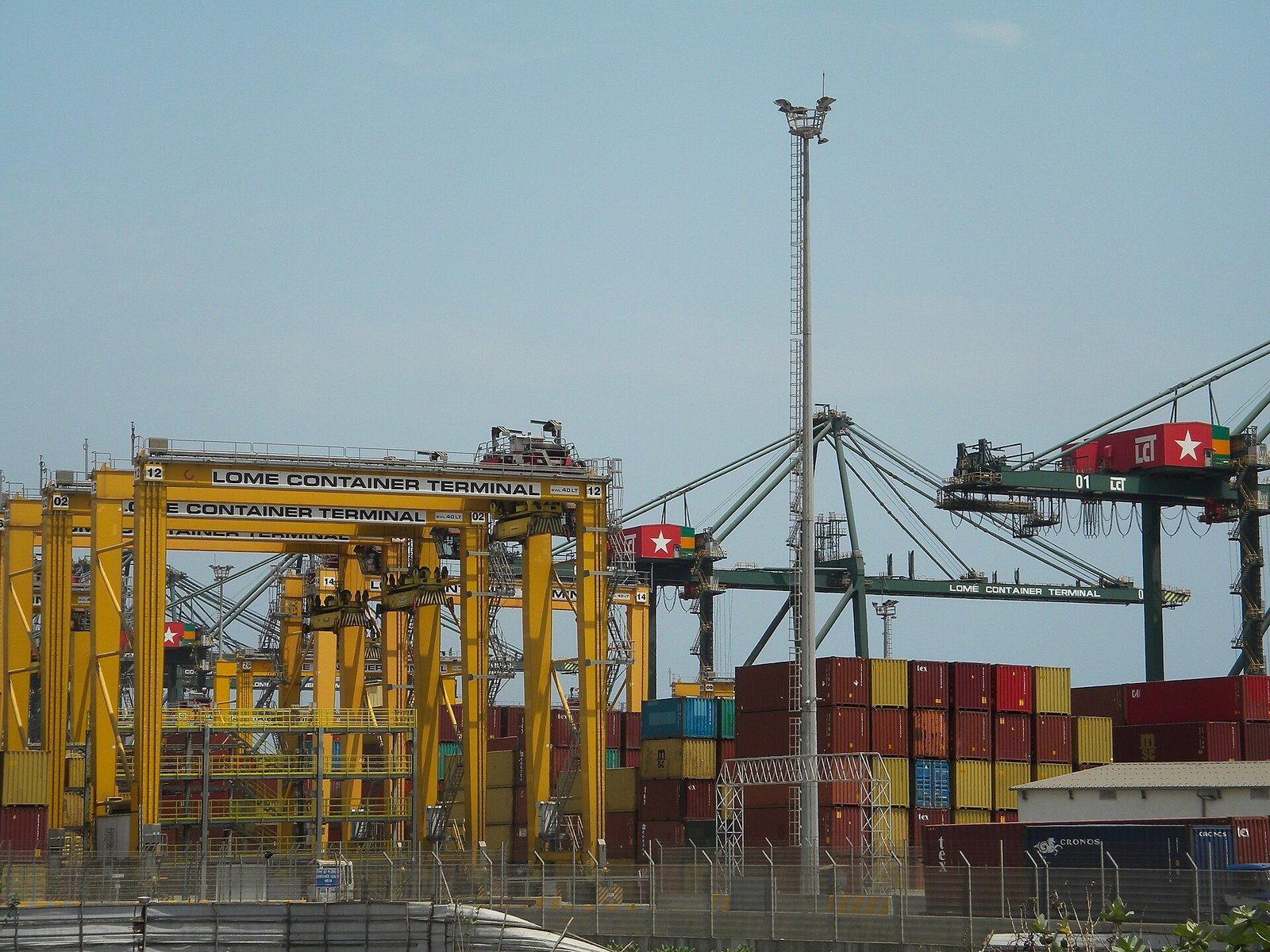
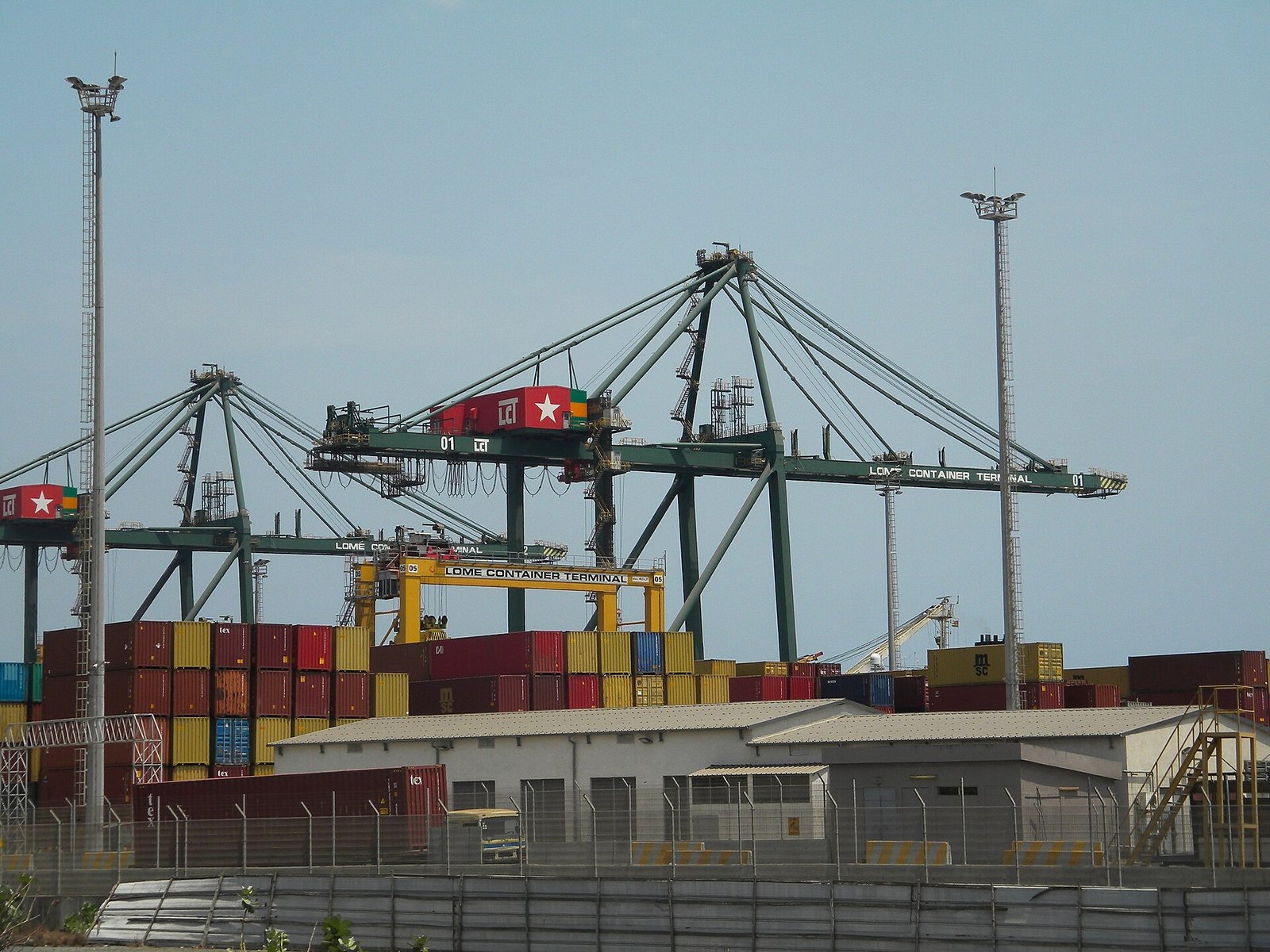
Photo: houaito affo daniel / Wikimedia Commons, CC BY-SA 4.0
Sub-Saharan African governments are being pressed to turn tighter budgets into reforms that protect essential services, mobilise domestic revenue and make regional trade work for jobs.
Aid falls as debt costs rise
A World Bank assessment says the region expanded by an estimated 4.1% in 2025, while median inflation fell from 4.4% in 2024 to 3.7%. Among 40 IDA-eligible countries assessed, 27 recorded slower inflation, and the region’s average Country Policy and Institutional Assessment score rose above the wider IDA average.
DGBN has also reported on Aid system is broken, African Civil Society leaders say; 200 gather in Accra to build a new Africa-Led model.
Original source: Devdiscourse.
But the improvement in policy management comes as the financing environment worsens. Bilateral net official development assistance budgets for Africa dropped by an estimated 25.8% in 2025 and were expected to decline by a further 11.6% in 2026, according to OECD estimates cited in the assessment. Contributions to multilateral institutions were estimated to have fallen 21.2% between 2023 and 2025.
At the same time, general government debt in Sub-Saharan Africa reached a record $1.26 trillion in 2025. Median external debt service stood at 18.2% of government revenue, while nearly half of countries with available data faced ratios above 20%.
The World Bank has separately warned that high debt-service obligations are crowding out development spending, with the external debt-service-to-revenue ratio roughly doubling from 9% in 2017 to 18% in 2025. (worldbank.org)
Services and investment at risk
The pressure is stark: in almost four out of five countries, government interest payments exceed public spending on health, education or both. The assessment forecasts combined public and donor health spending will decline by 2030 in 80% of low-income countries and 40% of lower-middle-income countries.
For Black communities across the continent and diaspora families who depend on public health, schooling and employment, this is not simply a fiscal debate. Debt repayments can determine whether governments have the resources to fund clinics, classrooms, social protection and the infrastructure needed for business growth.
For more context, read DGBN’s coverage of GOIL profit rises to GH¢90.67m despite 9% revenue decline.
There are signs of adjustment. Twenty-four of the 40 countries improved their primary fiscal balances between 2024 and 2025, including 10 that posted primary surpluses. Twenty-nine raised tax revenue, lifting the GDP-weighted regional tax-to-GDP ratio by about 0.7 percentage points.
Benin, Côte d’Ivoire, Ghana, Togo and Zambia reduced tax exemptions during 2025. The Democratic Republic of Congo also reworked fuel subsidies and removed mining firms from some fuel-subsidy and tax-exemption arrangements, saving an estimated 0.2% of GDP.
AfCFTA’s practical test
With concessional funding under strain, the report argues that private investment and deeper regional markets will be increasingly important. The African Continental Free Trade Area offers a route to larger markets for manufacturing, processed food and services, but businesses still face costly non-tariff barriers.
Inefficient customs systems, physical inspections, export restrictions and weak logistics can add costs estimated at 130% to 260% of a product’s value. The source report cites improvements including fewer checkpoints on Togo’s Lomé-Cinkassé corridor, reduced physical inspections in Zambia, faster truck turnaround in Rwanda and quicker resolution of trade complaints in Kenya.
The World Bank says industrial policy can support higher-value production and better jobs only when it is backed by reliable infrastructure, skills, finance, capable institutions and regional integration through AfCFTA. (worldbank.org)
The institution question
The assessment identifies governance as a persistent weakness, despite new anti-corruption strategies, procurement reforms and transparency measures. Stronger courts, predictable regulation, competition rules and digital public services will be central to attracting investment and ensuring that growth reaches communities.
Related DGBN reporting includes Metro Mass Transit returns to profit as revenue rises to GH¢161.85m.
Africa’s next financing formula, therefore, is not only about finding more money. It is about using limited public resources more effectively, protecting people from austerity’s sharpest effects and converting AfCFTA from a legal framework into functioning cross-border commerce.