
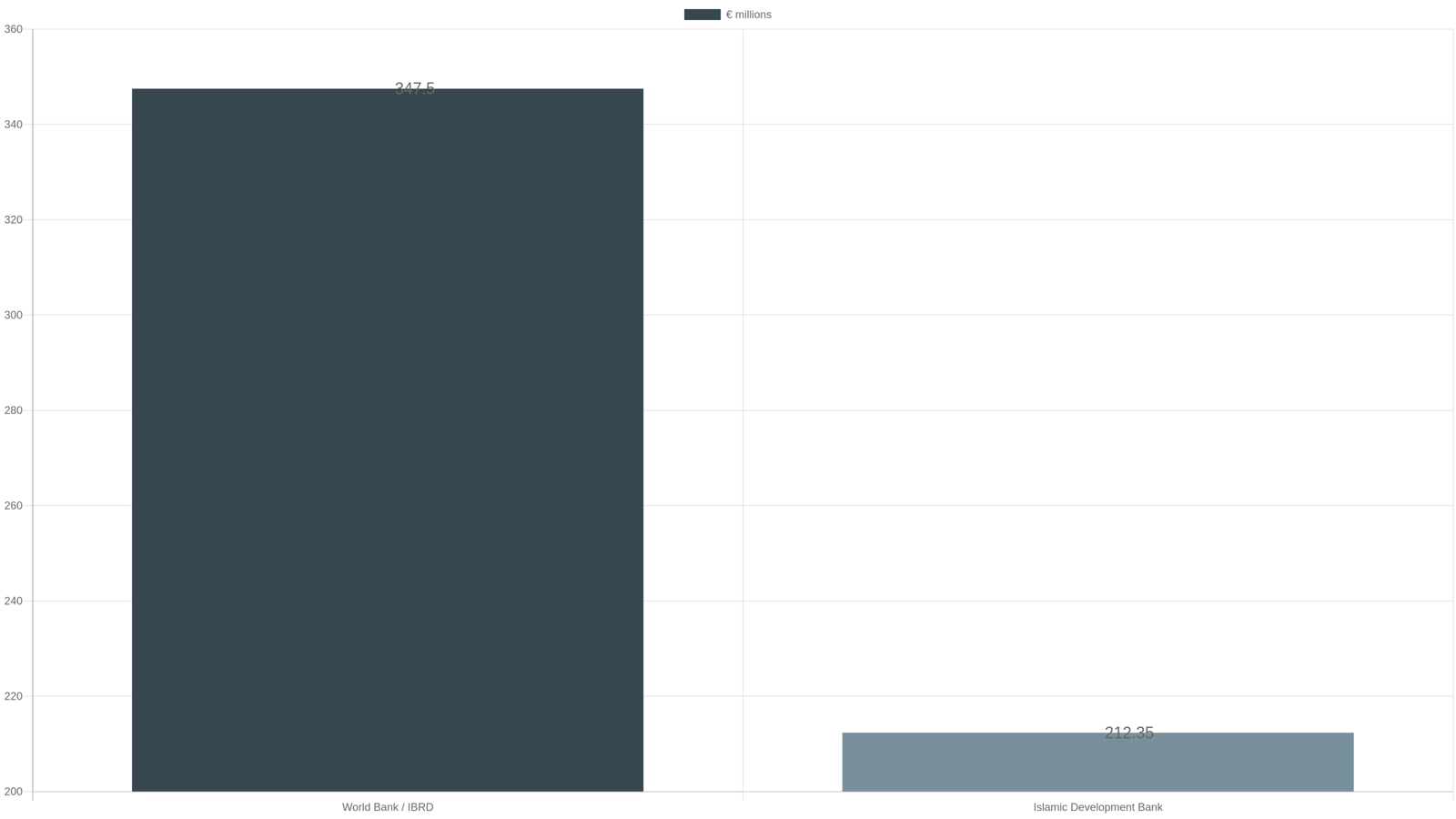
Cameroon has authorised two major infrastructure financing agreements worth a combined €559.85 million, targeting regional trade links and the rehabilitation of one of the country’s important highway corridors.
President Paul Biya authorised a €347.5 million loan agreement with the World Bank’s International Bank for Reconstruction and Development for the Douala–Bangui Economic Corridor project, according to a presidential decree issued on October 2.
A separate decree authorised the economy minister to sign a €212.35 million financing agreement with the Islamic Development Bank for rehabilitation of the Douala–Bafoussam highway.
Strengthening a Central African trade route
The Douala–Bangui corridor links Cameroon’s commercial capital and port gateway with Bangui, the capital of the Central African Republic.
For landlocked Central African economies, access through Cameroon is important for the movement of imports and exports. Improvements to the corridor could therefore affect freight times, logistics costs and cross-border trade.
The Douala–Bafoussam highway financing addresses another important domestic route connecting the economic capital with western Cameroon.
The financing approvals do not mean that the full amounts have already been disbursed or that construction has been completed. They authorise the relevant borrowing arrangements for the projects.
Borrowing for infrastructure
The latest agreements come as Cameroon increases borrowing to finance infrastructure and manage public-sector obligations.
In August, the finance minister was authorised to borrow up to CFA930 billion, approximately US$1.67 billion at the time, from domestic and external sources for development projects and settlement of arrears.
Cameroon remains Central Africa’s largest economy, with oil and gas, cocoa, timber, manufacturing and services among its important sectors.
The economic case for the new transport financing will ultimately depend on project execution: how quickly roads are rehabilitated, whether freight times fall and whether businesses along the corridor gain more reliable access to markets.
DGBN will track the financing through implementation rather than treating the loan authorisations themselves as completed infrastructure.
Read more from DGBN’s Finance desk, Africa desk and our coverage of development finance.