
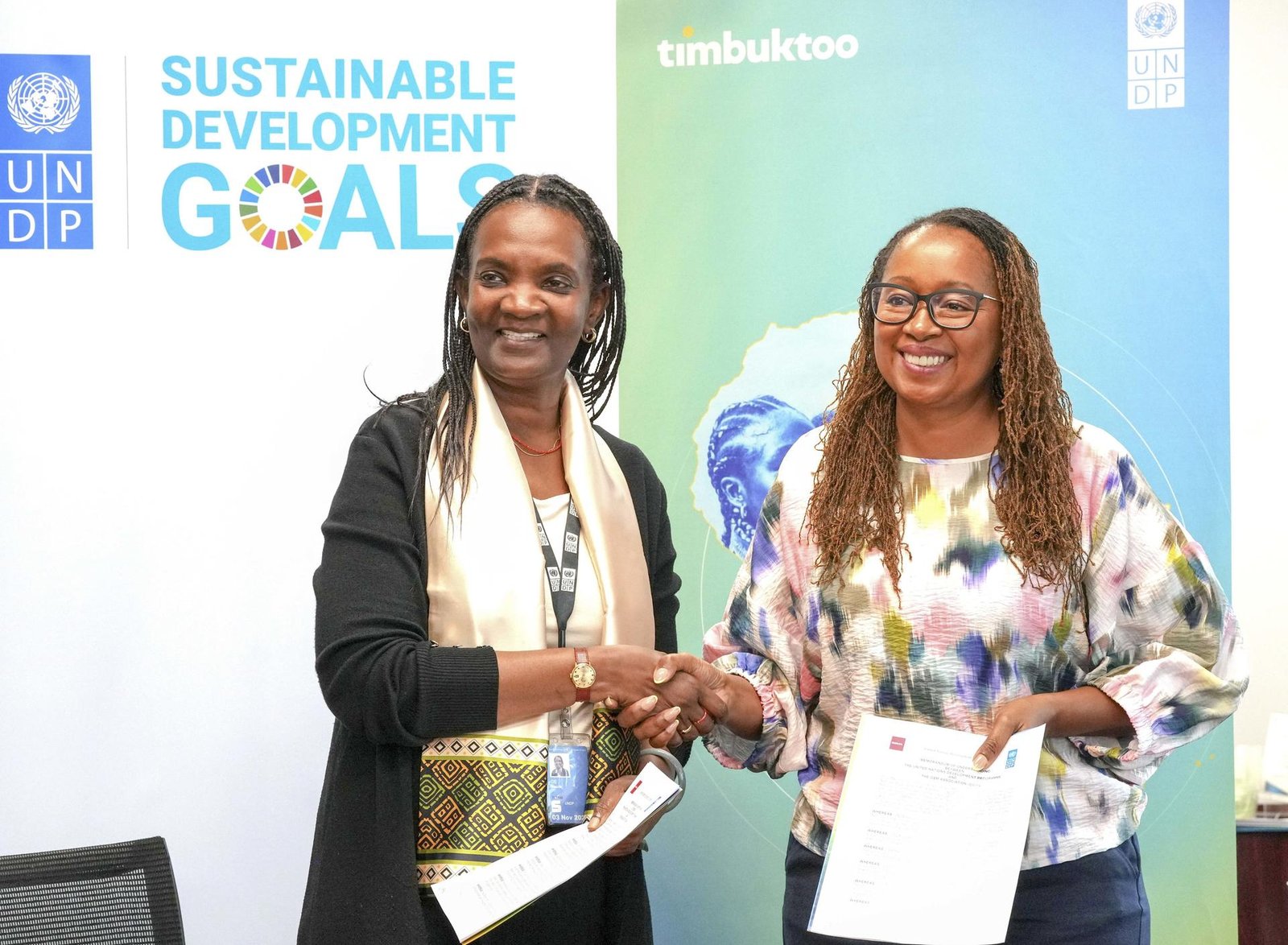
The United Nations Development Programme and the GSMA have launched a new partnership aimed at strengthening Africa’s artificial intelligence ecosystem by improving access to computing infrastructure, deployment opportunities and support for AI systems built around African languages and local priorities.
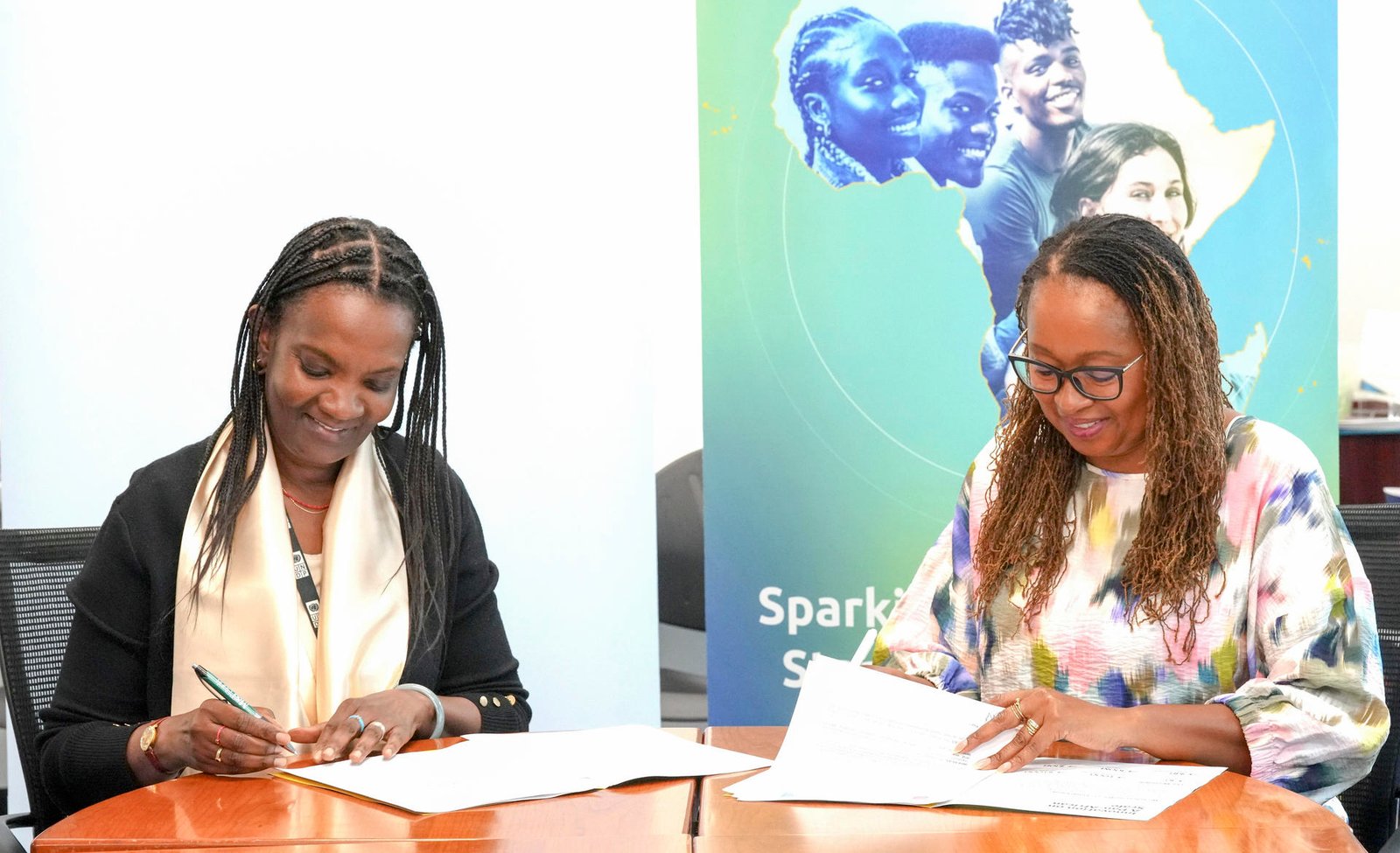
The agreement brings together UNDP’s development and innovation network with the GSMA’s mobile-industry reach. The organisations say the partnership will connect African developers and researchers with practical opportunities to build and deploy AI products, rather than leaving promising prototypes stuck at the research or demonstration stage.
Compute access is a central part of the plan
One of the most important commitments is to improve access to compute infrastructure for selected AI pilots through UNDP’s timbuktoo initiative and related innovation programmes.
Access to compute remains one of the biggest obstacles facing many African AI teams. Training and testing advanced models can require expensive graphics processors, cloud credits and reliable high-speed infrastructure that are often easier to obtain in North America, Europe or parts of Asia than in many African markets.
The infrastructure problem is broader than processors alone. DGBN recently reported on Angola Cables’ Atlantic network upgrade, which illustrates how AI and cloud systems also depend on fibre capacity and reliable international connectivity.
UNDP and the GSMA say the partnership will use existing networks including University Innovation Pods, AI Labs, universities and other ecosystem partners to connect African talent with infrastructure and real-world applications.
The announcement does not specify how much computing capacity will be made available, how many projects will receive support or how much money has been allocated. Those details will matter as the partnership moves from announcement to implementation.
African-language AI is another priority
The partnership also connects with the GSMA’s ATLAS Umoja AI programme, which is focused on increasing the representation of African languages and local data in AI systems.
Africa is home to more than 2,000 languages, but only a small proportion are well represented in the digital datasets used to build and evaluate many modern AI systems. That can affect how well AI tools handle local languages, names, cultural references and everyday communication.
More capable African-language systems could have practical uses in customer service, education, healthcare, agriculture, financial services and government, particularly in markets where large parts of the population communicate more comfortably in local languages than in English, French or other global languages.
The same need for local infrastructure is visible in telecom investment. DGBN’s report on Vodacom and Nokia’s South African 4G and 5G capacity pilot showed how network capacity remains a basic requirement for advanced digital services.
Moving from pilots to sustainable services
The partners say they want African developers to move beyond short-term demonstrations and toward services that can operate at scale.
That will require more than access to models. Developers need customers, reliable infrastructure, data, engineering talent, regulatory clarity and sustainable business models. The mobile industry could be important because operators already provide connectivity, billing, distribution and customer relationships to hundreds of millions of people across the continent.
The agreement therefore has potential significance beyond research institutions. If implemented effectively, it could create more routes for African startups and technical teams to test AI products against real commercial and public-service needs.
DGBN has also been tracking the wider contest over AI hardware and software, including the DeepSeek and Huawei effort to build alternative AI-chip programming tools. For African developers, the long-term issue is whether access to multiple computing ecosystems can lower barriers to building local systems.
The central question now is implementation: which countries and projects receive access first, how much compute becomes available, and whether the resulting systems reach paying customers and public users.