
Apple says it plans to tighten how Mac users grant broad access to files and application data as increasingly capable AI agents begin working across browsers, messages, email, documents and other personal information.

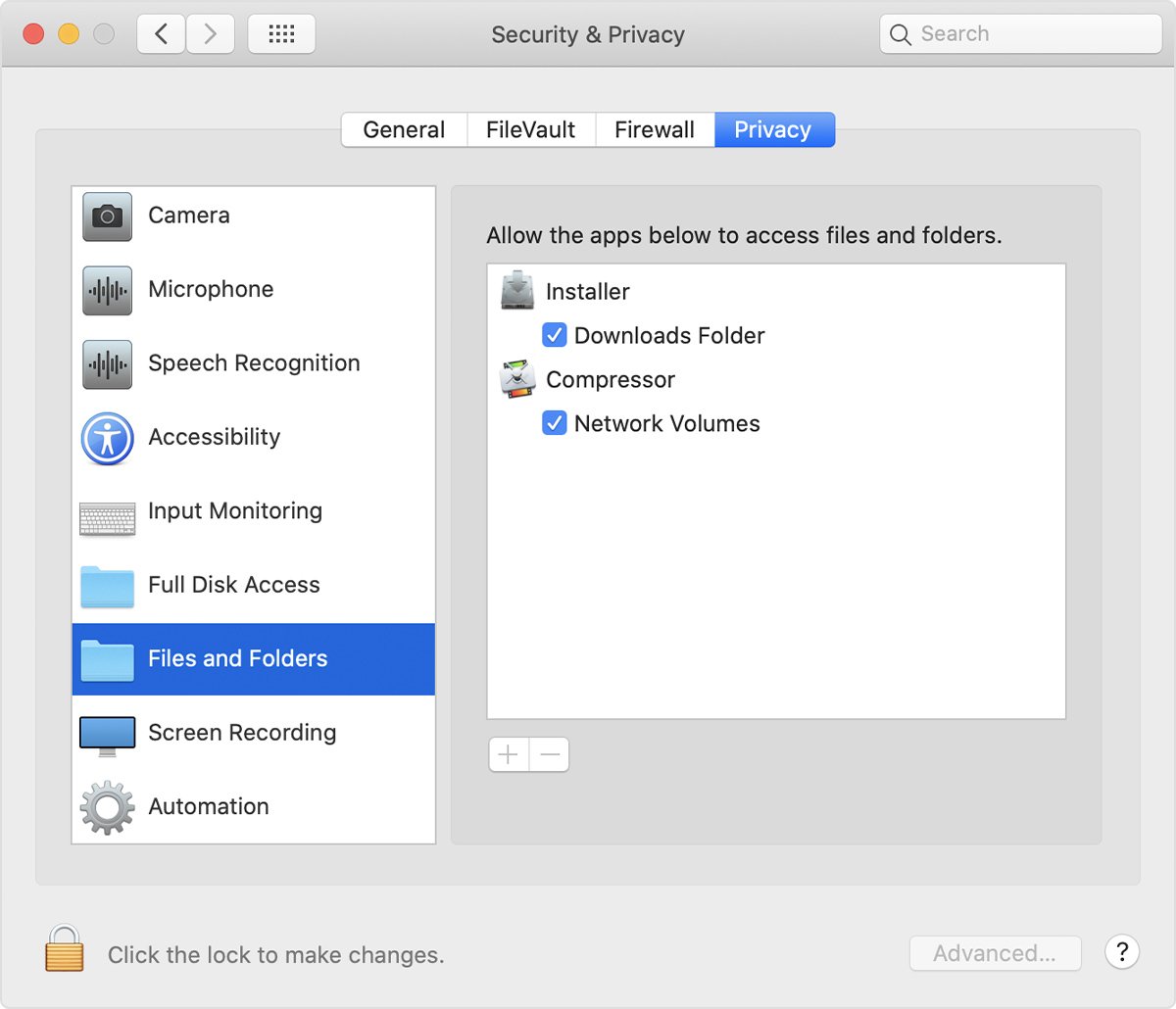
The change centres on Full Disk Access, a powerful macOS permission that can allow an application to read information from other apps, including Mail, Messages, Safari and Home, as well as backups and administrative settings.
Apple told developers that the growing capabilities of AI agents have increased the importance of making those permissions explicit and understandable before users approve them.
Why AI agents change the privacy equation
Traditional applications usually request access to a specific function or dataset. An AI agent may be designed to work across several services at once: reading email, opening websites, retrieving documents, filling in forms or carrying out multi-step tasks without constant prompting.
That means a single broad permission can have more consequences than it did when the same access was being used by a conventional backup or maintenance tool.
Apple’s current documentation says Full Disk Access can expose files and information held by other apps. The company says users should retain control over which applications receive that level of access.
The debate has become more urgent as persistent agents become mainstream. DGBN recently reported on OpenAI’s Dots agents, which are designed to continue working in the background across connected services.
The Meta Muse dispute
The latest discussion intensified after criticism involving Meta’s Muse personal agent. A technology journalist said Muse had accessed messages he believed it did not have permission to read. Meta disputes that account and says access to Messages requires the user to enable both the relevant connector and broader Mac permissions.
The underlying allegation remains disputed, but Apple’s policy change does not depend on proving that particular case. The larger issue is whether users fully understand what an autonomous system can do once it has broad access to their computer.
DGBN has separately covered Meta’s expansion of Muse into business workflows, where agents can connect to ecommerce, accounting, payments and collaboration systems.
Permissions are becoming part of AI governance
For businesses, the practical question is moving beyond whether an AI model produces accurate answers. Organisations also need to decide what an agent is allowed to see, what actions it can take, which activities require approval and whether every action is recorded for later review.
Those controls become particularly important in banking, healthcare, government, legal services and media organisations, where files and communications may contain sensitive information.
Industry discussions around agent security are already moving in that direction. DGBN recently reported on a voluntary US AI safety agreement that includes commitments around internal controls and independent evaluation.
Apple’s move brings the same issue down to the operating-system level. As AI agents gain the ability to use computers more like people do, access permissions are becoming a core part of how those systems are governed.