

A US federal judge has warned that growing dependence on artificial intelligence could damage client work and weaken the way junior lawyers develop professional expertise, after AI-assisted citation errors appeared in a federal court filing.
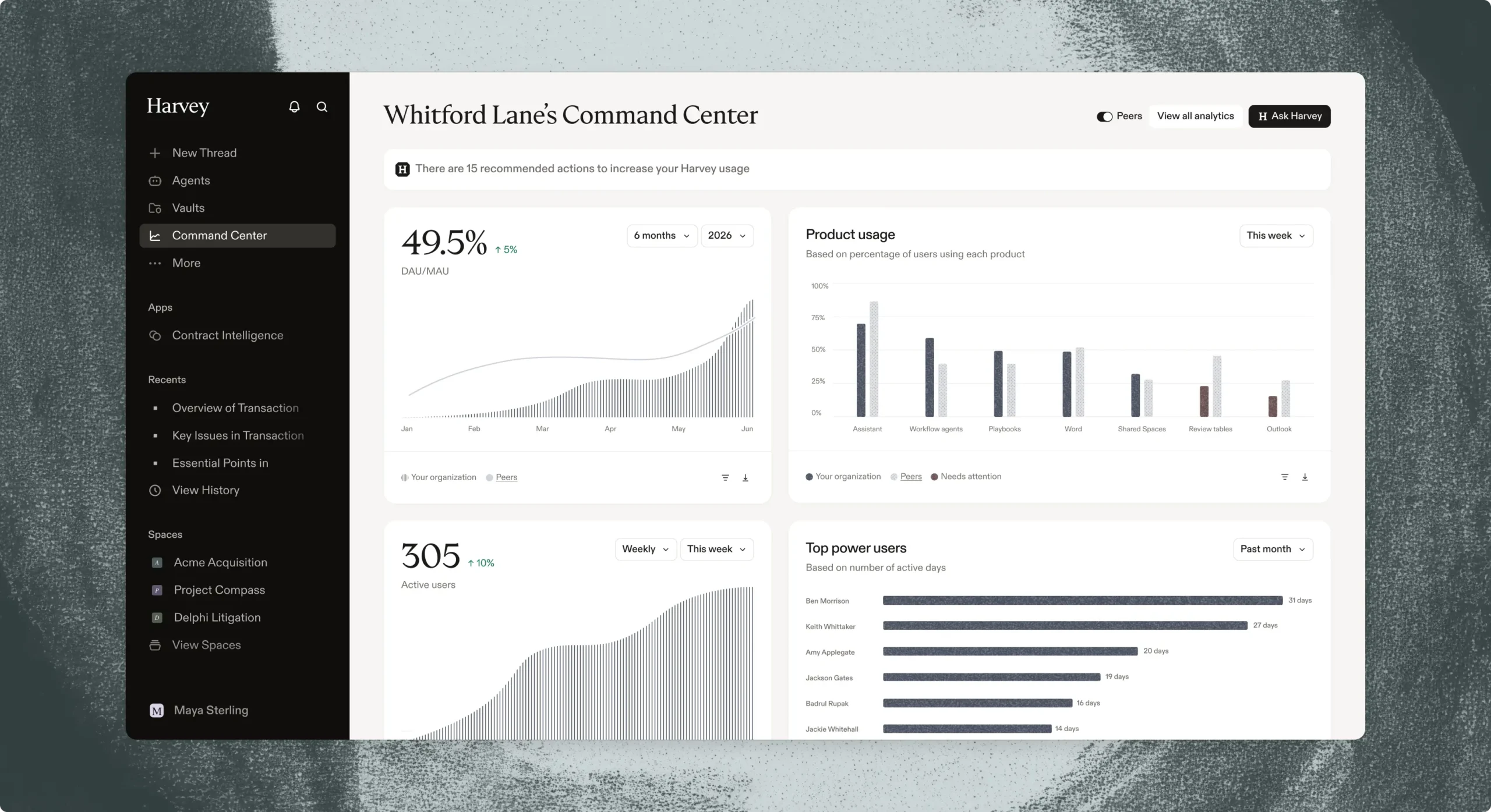
US District Judge Arun Subramanian raised the issue in a Manhattan copyright case after lawyers disclosed that Harvey AI tools had been used while preparing a filing that contained inaccurate citations.
The judge declined to impose sanctions, but said lawyers still have a duty to verify work submitted to a court regardless of whether AI helped produce it.
The deeper concern is professional training
Subramanian’s warning went beyond inaccurate citations. He questioned what happens to professional development if AI systems perform too much of the research, drafting and analytical work traditionally assigned to junior lawyers.
Those tasks can be repetitive, but they are also how younger professionals learn how cases are built, how evidence is tested and how legal arguments are structured.
If that work disappears too quickly, firms may save time in the short term while weakening the training process that produces experienced senior lawyers later.
The concern has parallels across other professions. Journalists learn by reporting and rewriting. Programmers learn by debugging and building smaller systems. Accountants, analysts, designers and consultants often develop judgement through entry-level tasks that AI can increasingly automate.
AI efficiency still requires human review
The case does not mean AI tools are being rejected by the legal profession. The judge did not prohibit their use, and Harvey has become widely used across major law firms and corporate legal departments.
The issue is accountability. An AI system can help prepare research or drafts, but the professional signing the work remains responsible for checking the result.
That principle mirrors concerns appearing elsewhere in the agent economy. DGBN recently reported on new voluntary AI safety commitments that place greater emphasis on testing, controls and independent evaluation.
It also connects with the rise of persistent systems such as OpenAI Dots, which are designed to complete longer-running tasks across connected applications.
What this means for younger workers
The training question is especially relevant to Africa and the Black diaspora, where large numbers of young professionals are entering sectors that are simultaneously being transformed by automation.
Employers may need to redesign junior roles rather than simply remove them. That could mean requiring trainees to complete some work independently before using AI, creating stronger review systems, and making mentoring more deliberate.
The same principle applies to business software. DGBN’s report on Meta Muse for Small Business shows how quickly AI agents are moving into everyday workflows.
The long-term challenge is not simply deciding which tasks AI can perform. Organisations also need to decide which tasks humans still need to perform in order to build expertise, judgement and accountability.