
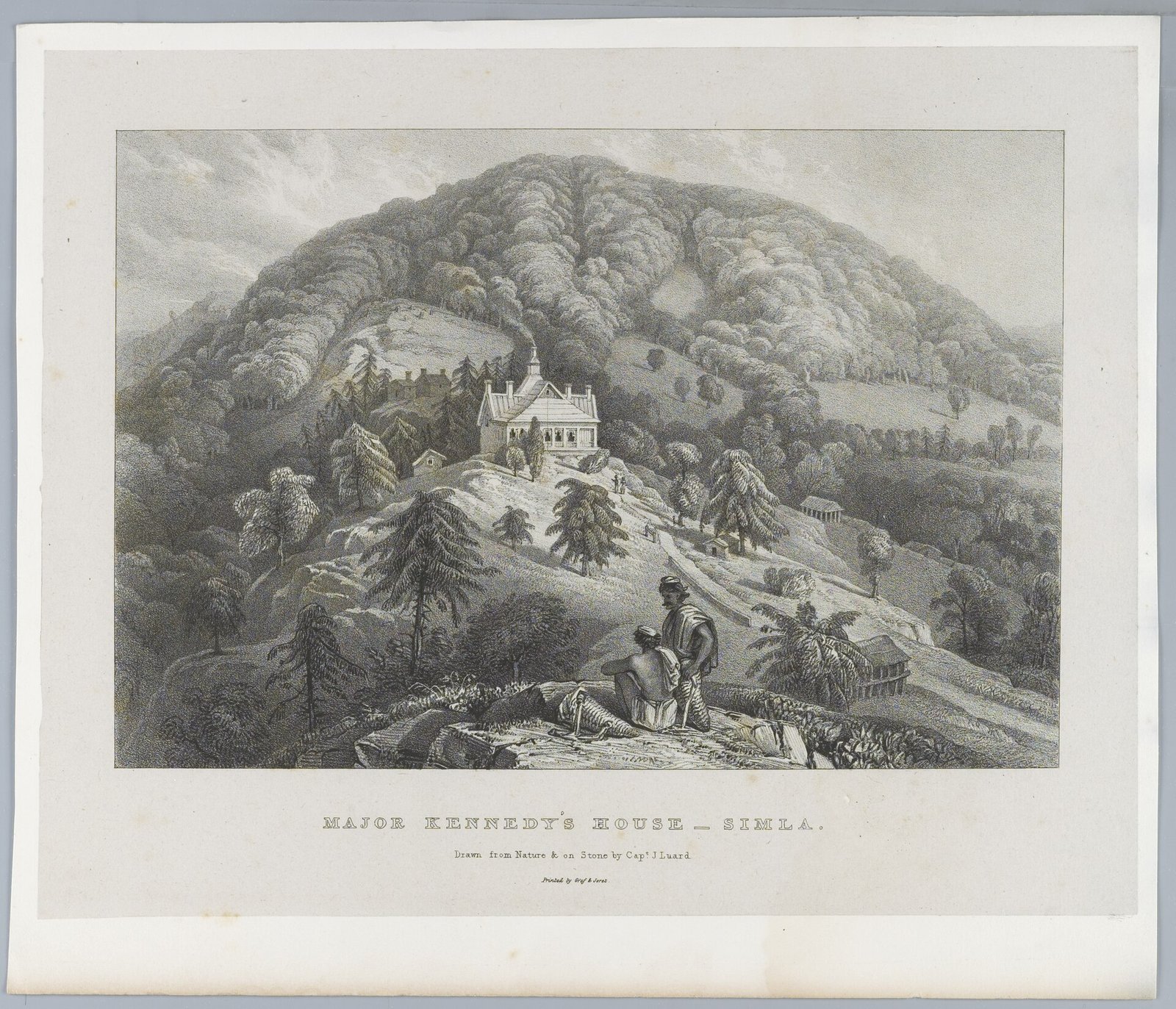
Photo: Luard, Major J. / Wikimedia Commons, CC BY 4.0
The Texas African American Museum in Tyler has used Major Kennedy Day to honour a Black East Texas builder whose life connected education, land ownership, enterprise and community investment.
A local history brought forward
The event was held on Saturday, 3 October, at the Empowerment Community Development Corporation complex in Tyler, according to KLTV. Organisers presented the celebration as an opportunity to introduce younger residents to Major Kennedy, an East Texas educator, businessman and philanthropist whose story is little known beyond the region.
DGBN has also reported on ‘You Scare Me’: A White Woman Sobbed and Refused to Exchange Car Insurance with a Black Man After an Accident, and His Response Had Viewers Laughing.
Original source: Original source.
Stanley Cofer, president and founder of Empowerment Community Development Corporation, told the broadcaster that research into Kennedy’s life required speaking with relatives and locating family photographs and records. Cofer said the aim was to encourage young people by showing that Black success stories in East Texas deserve to be preserved and told.
From teacher to oilman
Kennedy was born in Rusk County in 1881 to parents who had been enslaved, according to the Texas State Historical Association. He qualified as a teacher and worked in Black schools in East Texas before leaving the profession, frustrated by unequal funding and supplies.
He turned to farming, land and cattle investments, building holdings before the East Texas oil boom transformed his finances in the 1930s. Kennedy later joined other Black East Texans in forming Tiger Oil and Gas Company, the association says.
For more context, read DGBN’s coverage of Best New Music This Week: Yung Miami Releases The “Spend Dat” Remix, Ice Spice And Lil Yachty Connect On “Out My Face,” Tiana Major9, And More.
His business achievements made him an influential figure among Black communities at a time when racism sharply restricted access to capital, land and political power. He built the all-Black town of Easton, on the Gregg-Rusk county line, and owned businesses including a mercantile store, garment factory and sawmill.
Why the commemoration matters
Kennedy’s legacy offers a direct challenge to narrow accounts of Black history that focus only on exclusion and hardship. Those realities shaped his life, including the unequal treatment he witnessed in segregated education, but his response was to build institutions, assets and opportunities for others.
The historical association records that Kennedy supported churches, schools, civil-rights causes, the YMCA and Butler College. He also financed students’ education and gave land to the Boy Scouts for Camp Kennedy.
For Black communities in Texas and across the diaspora, programmes such as Major Kennedy Day matter because they connect present-day youth to examples of collective advancement rooted in their own local geography. The story is not simply one of individual wealth: it is also about how Black ownership and philanthropy were deployed to strengthen a community during the Jim Crow era.
Related DGBN reporting includes ‘Tyler Perry’s Sistas’ Kicks Off The Second Half Of Its Milestone 10th Season This Fall.
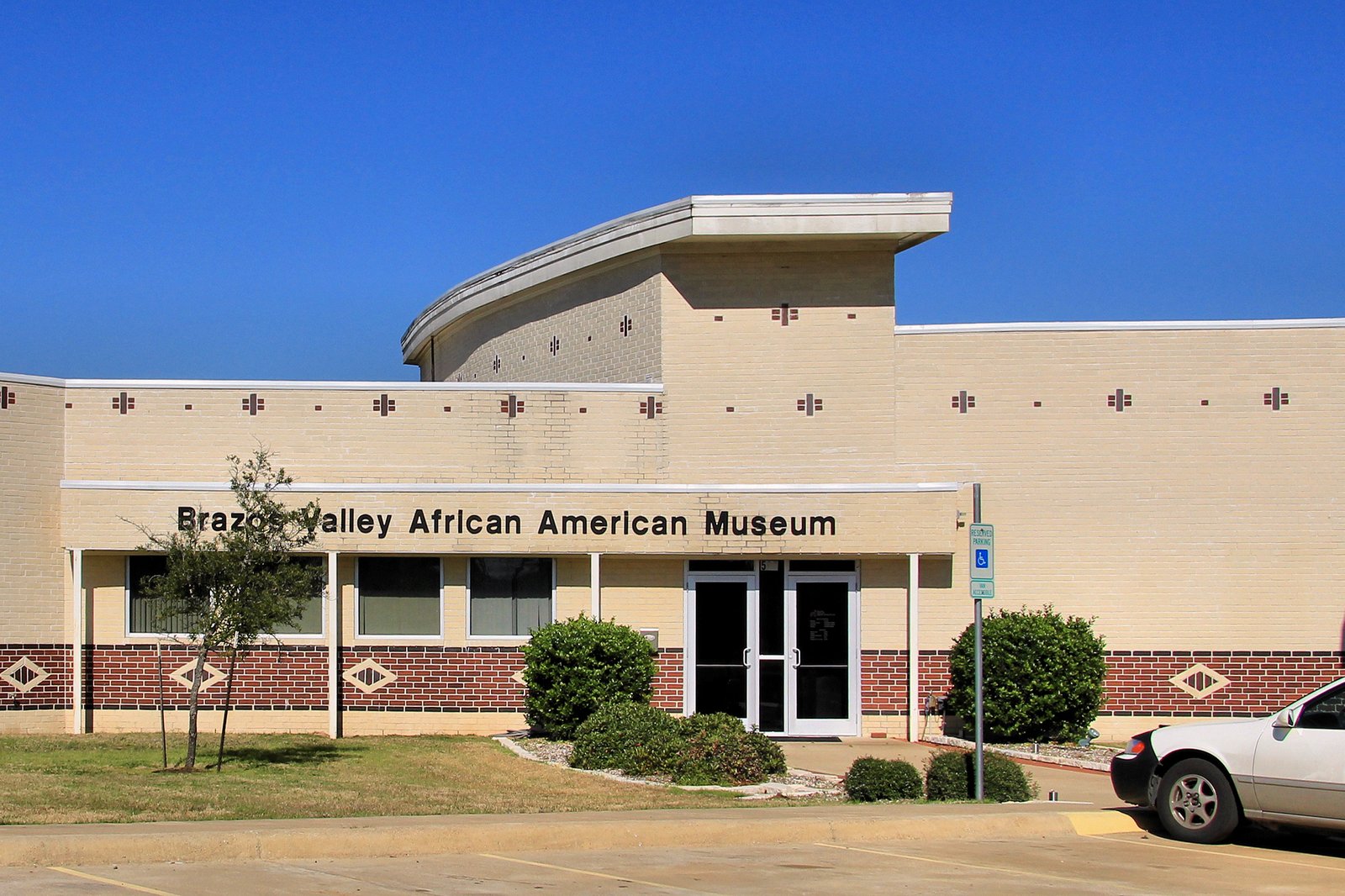
The Tyler museum, based on Martin Luther King Jr Boulevard, describes its wider work as preserving and sharing East Texas Black history. Its Major Kennedy programme places that mission firmly in the public square, ensuring a regional figure’s contribution is not left in family archives or overlooked historical records.