
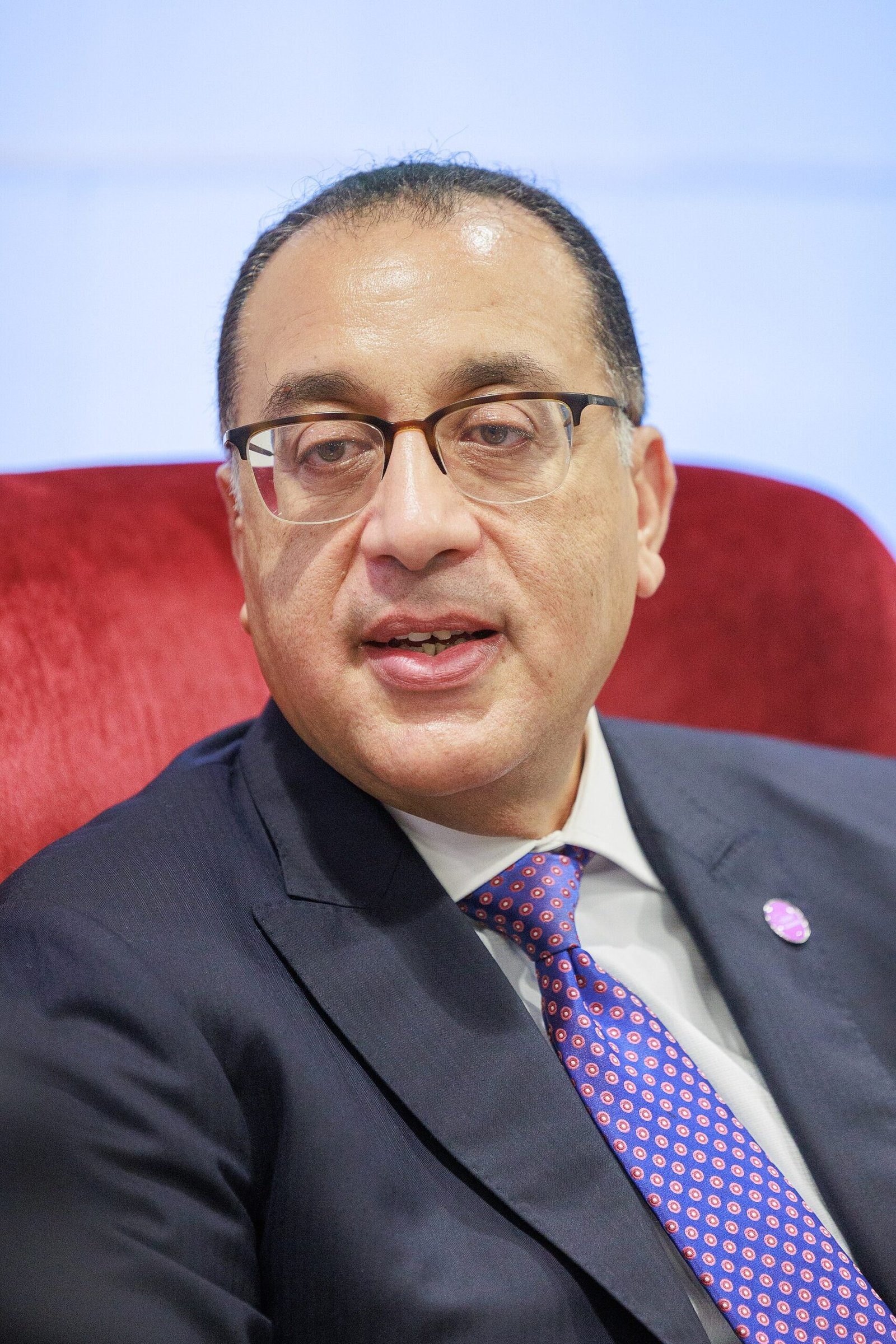
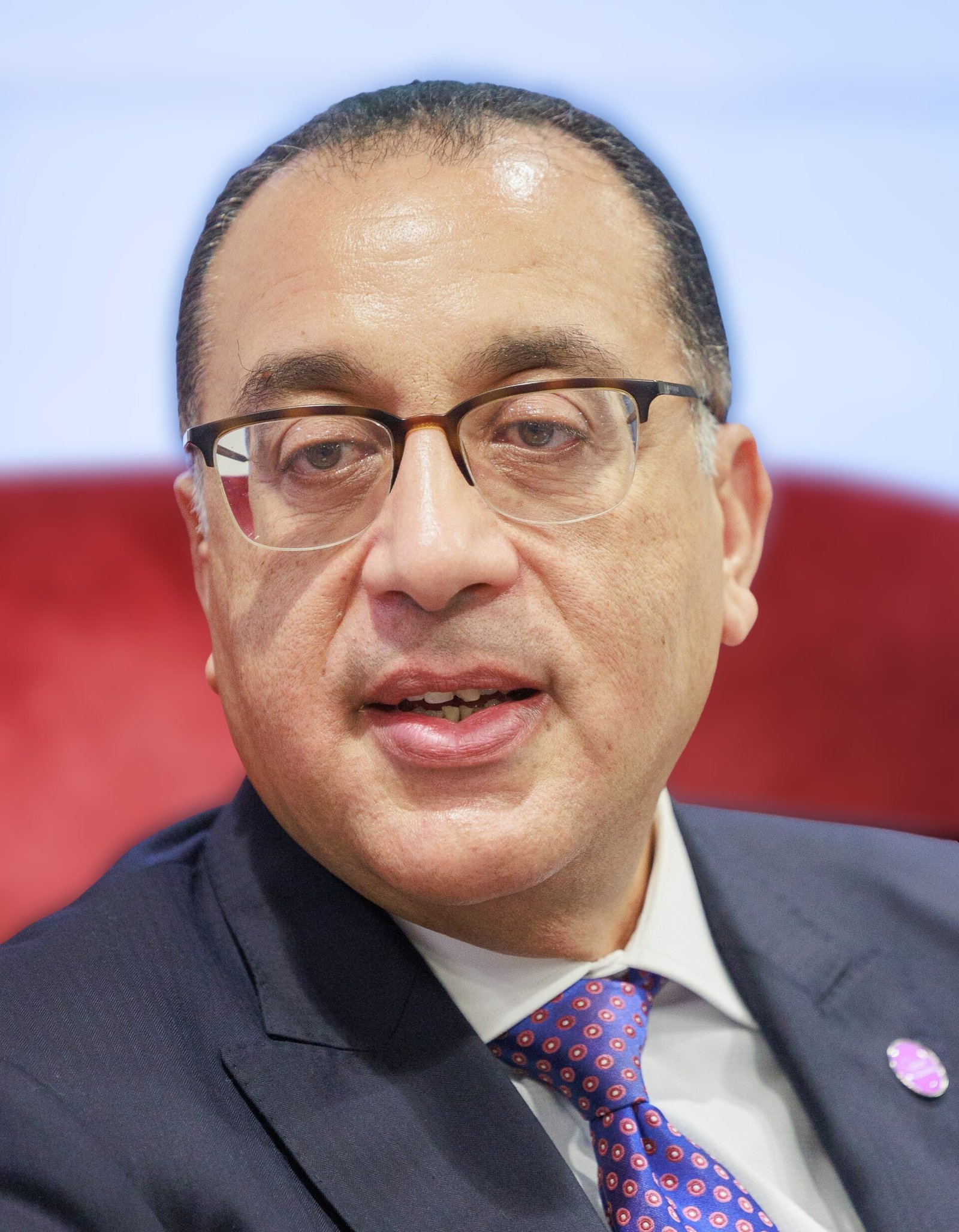
Photo: Photographer: Christophe Licoppe / Wikimedia Commons, CC BY 4.0
Africa’s expanding cities must be planned as centres of jobs, industry and opportunity rather than allowed to deepen inequality and infrastructure strain, Egypt’s Prime Minister Mostafa Madbouly has said.
Urban growth as an economic choice
Speaking at the inaugural Alamein-Africa Business Forum in New Alamein City, Madbouly said the continent’s rapidly growing urban population presents a major opportunity to reshape African economies through productivity, industrialisation and employment.
DGBN has also reported on Egypt says Alamein Africa Forum will become biennial business platform.
Original source: Original source.
He argued that urbanisation cannot be treated simply as a housing and public-services challenge. Cities, he said, must be developed as connected economic, social and environmental systems, bringing together transport, energy, water, housing, digital networks, industry, services and public space.
The remarks came as Egypt hosted African leaders, businesses and development institutions from 2 to 4 October for the business forum, the AUDA-NEPAD founding states summit and the African Union’s eighth Mid-Year Coordination Meeting. Egyptian officials say the new forum, backed by the African Union, AUDA-NEPAD and Afreximbank, is intended to become a biennial platform for investment and cross-border partnerships.
Planning beyond bricks and roads
Madbouly warned that unmanaged expansion can intensify pressure on infrastructure, environmental resources and public services. He called for integrated planning that puts residents, local economies and environmental sustainability at the centre of development.
For more context, read DGBN’s coverage of Alamein Africa Forum opens in Egypt with 1,500 delegates.
He also highlighted digital tools for managing traffic, energy and water use, improving public services and helping governments make evidence-based decisions. Climate resilience, he said, must be built into city development as African urban areas face greater exposure to heatwaves, flooding, water scarcity and stress on power systems.
For Black communities across the continent, the stakes are direct. Urban growth can widen access to work, education and markets, but it can also push low-income households into informal settlements and long commutes if housing, transit and employment are not planned together.
Finance and affordable housing remain decisive
Madbouly identified the financing gap for infrastructure, housing and urban services as a core obstacle. He called for stronger partnerships between governments, private investors and development-finance institutions, alongside long-term capital and regulatory frameworks that make projects more investable.
He further urged financing models for affordable housing, saying urban expansion should not worsen social inequality or fuel the growth of informal settlements.
Egypt is presenting its new-city programme, including New Alamein, the New Administrative Capital and New Mansoura, as an example of linking urban planning to infrastructure, economic activity and digital transformation. Madbouly said Egyptian companies could also support African partners with city design, utilities management, infrastructure delivery and skills development.
Related DGBN reporting includes Egypt’s Alamein-Africa Forum opens with push to convert continental potential into investment.
The broader message is that Africa’s urban future will not be decided by population growth alone. It will depend on whether governments and investors turn that growth into decent work, affordable homes, reliable public services and cities that serve their residents rather than exclude them.