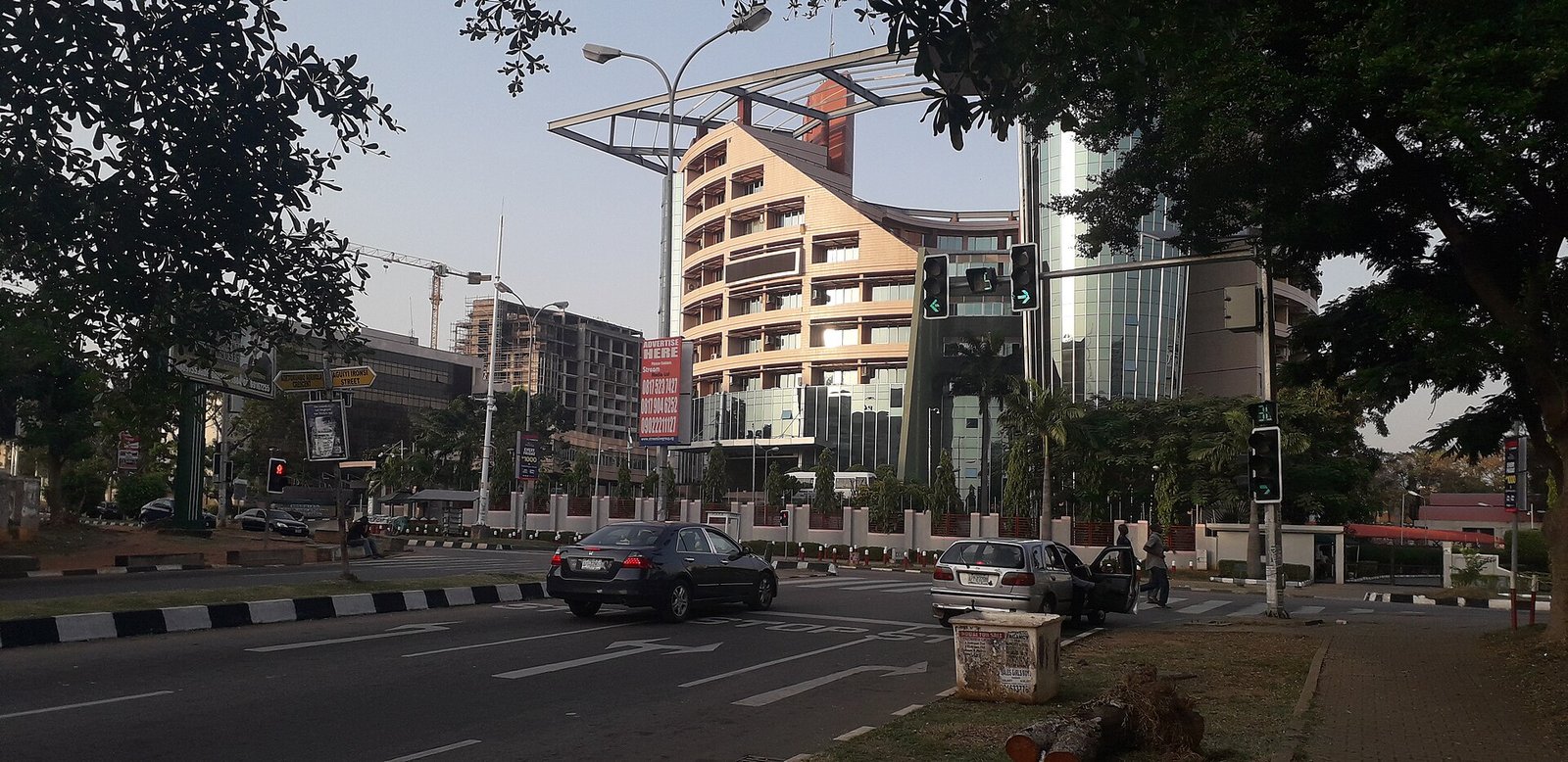
Photo: Naziftm / Wikimedia Commons, CC BY-SA 4.0
Nigeria’s communications regulator has called for joined-up action by government, investors and industry to remove the barriers slowing digital infrastructure investment.
Investment barriers in focus
The Nigerian Communications Commission (NCC) said participants at the Nigeria Digital Connectivity Investment Forum in Abuja identified the cost and duration of financing, Right of Way and permit restrictions, unreliable electricity and gaps in trusted infrastructure data as linked obstacles.
DGBN has also reported on Ghana’s small businesses don’t have a marketing problem. They have a capacity problem..
Original source: Original source.
The two-day forum, held on 29 and 30 September with Swedfund and Ookla, brought together regulators, operators, infrastructure firms, development finance bodies and investors. The NCC said the discussions were intended to turn data and partnerships into bankable projects that can widen access and improve network performance.
NCC chief executive Aminu Maida said Nigeria’s data consumption rose from about 1.13 million terabytes in July 2025 to around 1.66 million terabytes in July 2026, a rise of nearly 47%. The regulator said rising use of cloud services, online platforms and artificial intelligence will place further pressure on networks, data centres and power supplies.
Fibre, power and affordable devices
The forum’s recommendations include accelerating Project BRIDGE, Nigeria’s planned 90,000-kilometre national fibre backbone, alongside measures to improve energy reliability for digital infrastructure.
For more context, read DGBN’s coverage of Seven key issues to shape conversations as UNCCD COP17 kicks off in Mongolia.
Participants also urged state governments to reduce and harmonise charges for laying fibre and obtaining site permits, while shortening approval timelines. The NCC said reforms to Right of Way rules in some states have helped encourage fibre deployment, but national progress depends on wider adoption.
The regulator stressed that coverage alone is not enough. While mobile broadband reaches a large share of Nigerians, affordability of smartphones, digital skills and consumer trust still limit meaningful use. That means infrastructure expansion must be paired with lower-cost devices and services that people can actually use.
Long-term capital needed
A central issue was financing. Telecoms networks, fibre and power systems are long-life assets, but the forum argued that they cannot be sustainably funded with short bank loans. It called for longer-tenor naira financing, blended funding and credit support that can make projects viable in underserved communities.
Priority actions proposed include funding community-owned rural networks powered by renewable energy, completing broadband mapping, developing wholesale-access rules and creating a clearer framework for financing telecoms power.
Why it matters
For Nigeria’s Black entrepreneurs, students, workers and communities, dependable connectivity is increasingly basic economic infrastructure. It affects access to education, digital jobs, financial services, trade and public information.
Related DGBN reporting includes NCC appoints interim chairperson for Digital Bridge Institute governing board.
The NCC’s emphasis on coordinated reform also reflects a wider African challenge: the continent’s digital future will depend not simply on mobile coverage, but on affordable devices, resilient energy, accessible fibre and investment rules that enable local communities and businesses to participate in the online economy.