
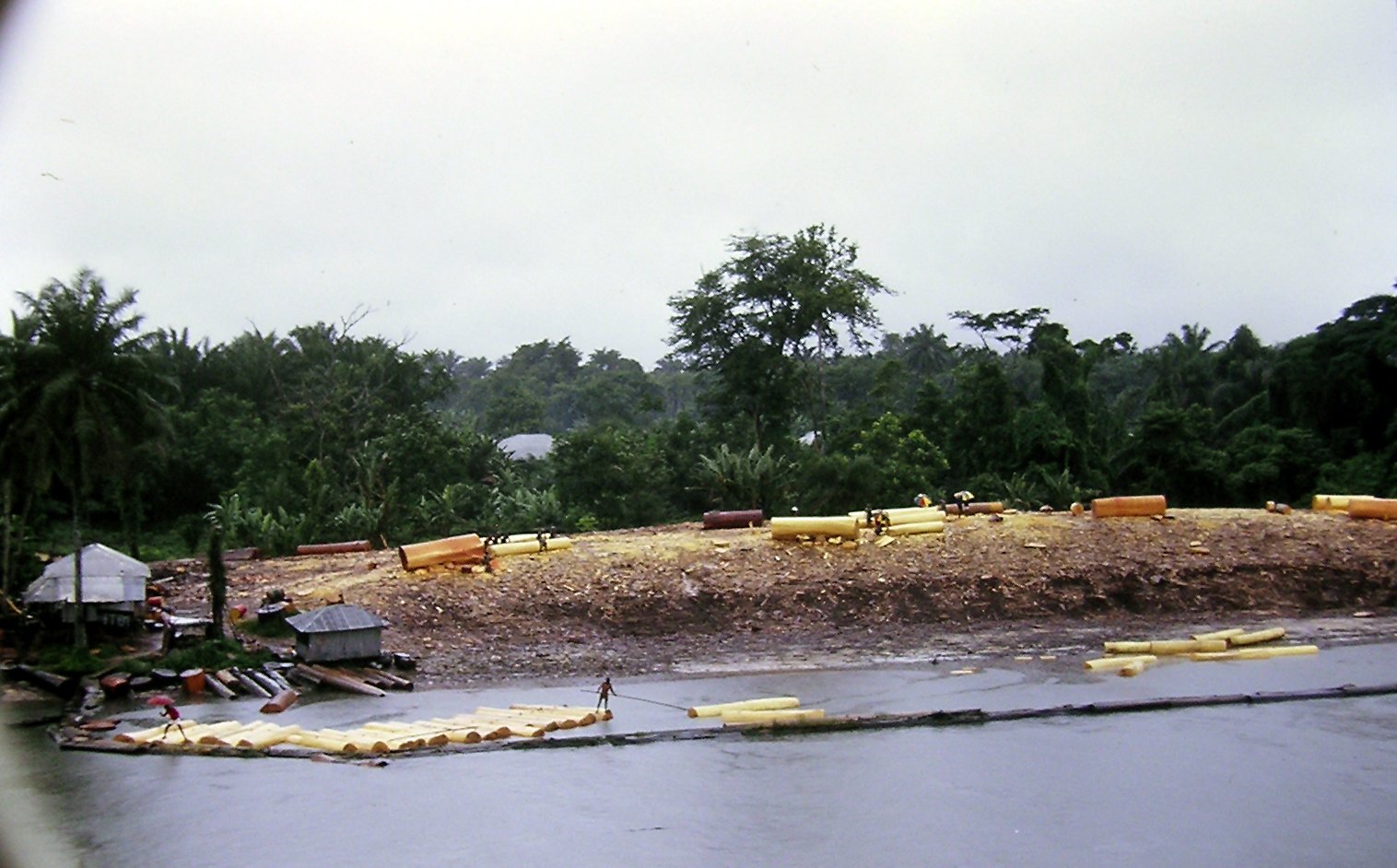
Photo: Terry Whalebone from Bolton, UK / Wikimedia Commons, CC BY 2.0
Nigeria’s renewed focus on protecting oil pipelines has become central to President Bola Tinubu’s argument that economic reforms are beginning to strengthen the country’s finances.
Security and revenue
In his 1 October Independence Day address, Tinubu said oil theft had fallen, alongside improvements in growth, foreign reserves and the foreign-exchange market. The president presented the changes as evidence that his administration’s reforms are moving Nigeria towards broader prosperity.
DGBN has also reported on Suncor Agrees $860m Sale of Offshore Canada Stakes to Ithaca Energy.
Original source: Original source.
The Sun’s report, published on 6 October, links the improvement in oil security to efforts in the Niger Delta, where vandalism, illegal connections and crude theft have repeatedly interrupted production and cut export earnings. It identifies Tantita Security Services as one of the firms involved in surveillance of oil and gas assets alongside state security agencies.
The core economic logic is clear: when more crude reaches export terminals lawfully, Nigeria can earn more foreign currency and improve public revenue. That matters in a country where oil remains a major source of export receipts, despite efforts to expand non-oil trade.
Claims need independent measurement
Supporters have linked Tantita’s operations to a reported 79 per cent fall in oil theft. However, the report does not establish the time period or methodology behind that figure, and it should therefore be treated with caution.
The company says it combines local knowledge of Niger Delta waterways with surveillance tools, including cameras, sensors and monitoring systems. Such capabilities may help identify threats faster, but their real value depends on effective action by public authorities, reliable equipment and independently verifiable reductions in disruptions.
For more context, read DGBN’s coverage of Nigeria’s digital future must reach beyond Lagos, advocates say.
Security companies cannot, by themselves, resolve the longstanding conditions behind oil theft. Sustained progress will require credible oversight of contracts, accountability for security agencies and meaningful protection for communities living alongside petroleum infrastructure.
Investment and livelihoods
A safer operating environment could also make investors more willing to fund Nigerian projects. The Sun report notes recent agreements aimed at advancing the proposed Bonga Southwest/Aparo deepwater development, though those agreements do not amount to a final investment decision.
For Black communities in the Niger Delta, the issue is not simply whether national oil receipts rise. Oil-producing areas have borne pollution, damaged livelihoods and insecurity while often seeing limited public benefit. Any security-led recovery must therefore be matched by environmental safeguards, jobs beyond surveillance work and investment in healthcare, education, farming and local enterprise.
The International Monetary Fund has similarly warned that a deterioration in domestic security could hit oil production, export income and fiscal revenues, while higher global fuel and food prices could worsen poverty and food insecurity. That makes stronger infrastructure protection economically significant, but not sufficient on its own.
Prosperity must reach households
Tinubu has acknowledged that many Nigerians are still struggling with food, transport, energy and borrowing costs. The administration’s test is whether higher production and stronger macroeconomic indicators translate into cheaper essentials, decent work and better services.
Related DGBN reporting includes Africa’s growth needs industrial giants and tech risk-takers, ISS argues.
Oil security can help protect national income. But it will only support lasting prosperity if the gains are transparently managed and visibly improve life for households in the Niger Delta and across Nigeria.