
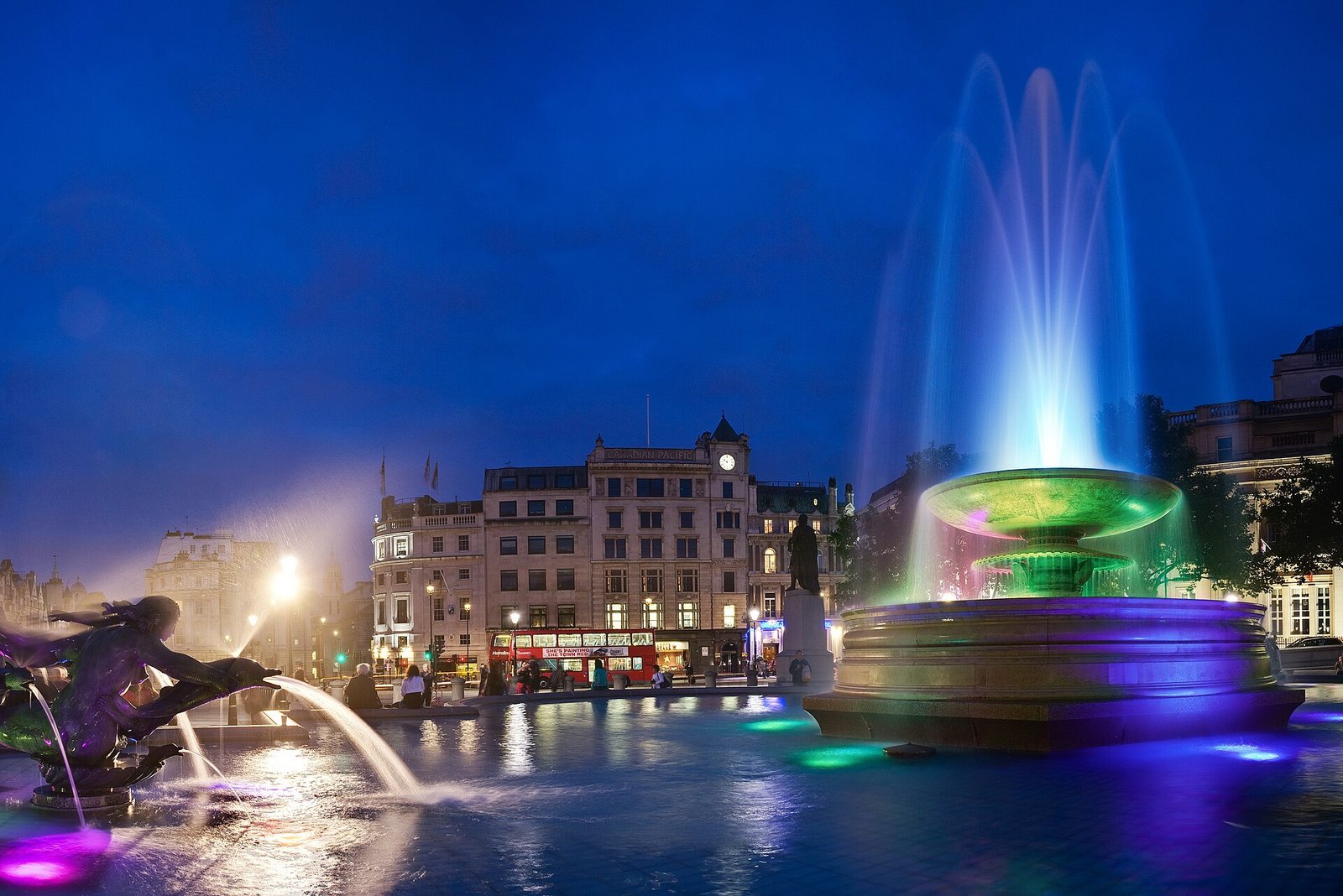
Photo: Diliff / Wikimedia Commons, CC BY-SA 3.0
South Africa’s foreign ministry says chronic underfunding has left at least 30% of its overseas property portfolio in poor condition, threatening the infrastructure behind its global diplomatic presence.
Parliament hears scale of maintenance backlog
The Department of International Relations and Cooperation (DIRCO) told Parliament it needs more than R300 million annually to maintain properties used by South African missions abroad.
DGBN has also reported on Pakistan and Sri Lanka move to deepen IT and telecom cooperation.
The department oversees 174 state-owned properties and 666 rented buildings supporting 114 missions. Yet it has only seven officials responsible for managing the portfolio, according to a briefing to Parliament’s Standing Committee on Appropriations.
DIRCO said only 28% of the properties were in good condition. It placed the value of the assets at at least R5 billion and said their management contributed to a qualified audit opinion for the 2025/26 financial year.
The department said it inherited responsibility for the portfolio from the Department of Public Works in 1999 without matching funding, staffing or specialist capacity. Ageing buildings and heritage-preservation requirements, particularly at European sites, have compounded the maintenance bill.
Budget pressures reach embassies
The warning follows earlier parliamentary concern that DIRCO’s 2026/27 budget increase was largely absorbed by inflation and foreign-exchange movements. The department’s budget was set at about R7.22 billion, a rise of 2%, while much of its work is carried out outside South Africa and therefore exposed to currency volatility.
For more context, read DGBN’s coverage of Evansville African American Museum brings donut burger legacy to Fall Festival.
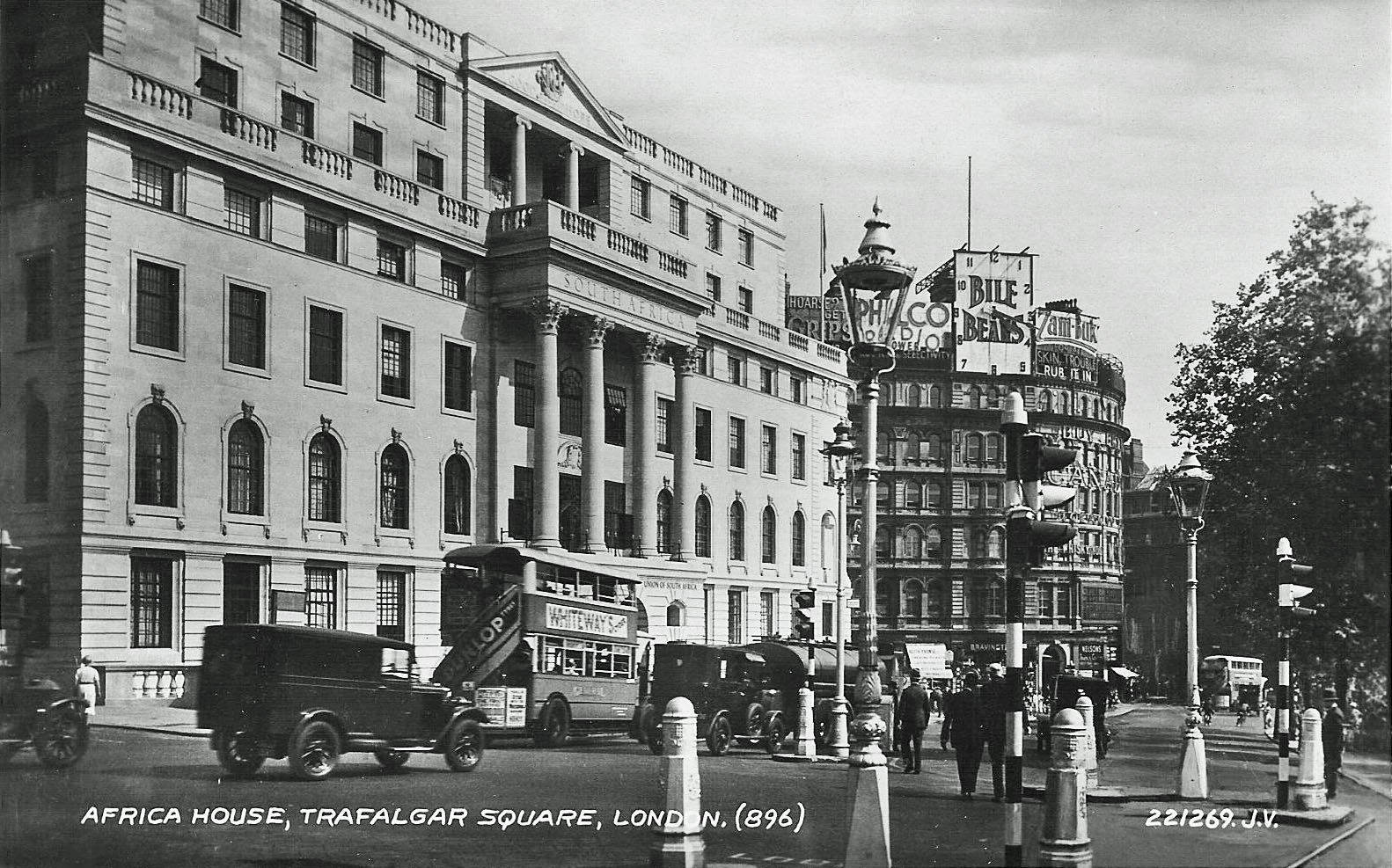
Parliamentary records show R174 million of DIRCO’s R210 million capital allocation has been directed to three major projects: an official residence in Denmark, a boiler replacement at the South African chancery in London and residential accommodation in London.
That concentration of spending illustrates the challenge: urgent repairs at a handful of properties can consume funds that would otherwise address deterioration across a far wider international estate.
DIRCO has secured approval to sell 18 properties and is awaiting National Treasury approval for further disposals. At the same time, it is constructing new missions in New Delhi and Riyadh.
Political pressure over priorities
Democratic Alliance MP Andrew Bateman said the department should find savings within its existing budget and consider closing missions that do not deliver sufficient value. DIRCO, however, argues that its property burden reflects a mismatch between its mandate and the resources available to fulfil it.
The dispute matters beyond the condition of embassy buildings. South African missions provide consular services to citizens, support trade and investment work, and advance Pretoria’s priorities in Africa, the African Union, BRICS and the African Continental Free Trade Area.
Related DGBN reporting includes Nigeria’s oil security push puts economic recovery claims to the test.
For Black South Africans, African businesses and diaspora communities who depend on those services, weakened missions can mean slower documentation, reduced support in crises and a less effective platform for trade, mobility and continental cooperation. The maintenance crisis is therefore also a test of whether South Africa can sustain the diplomatic infrastructure required for its African and global ambitions.