
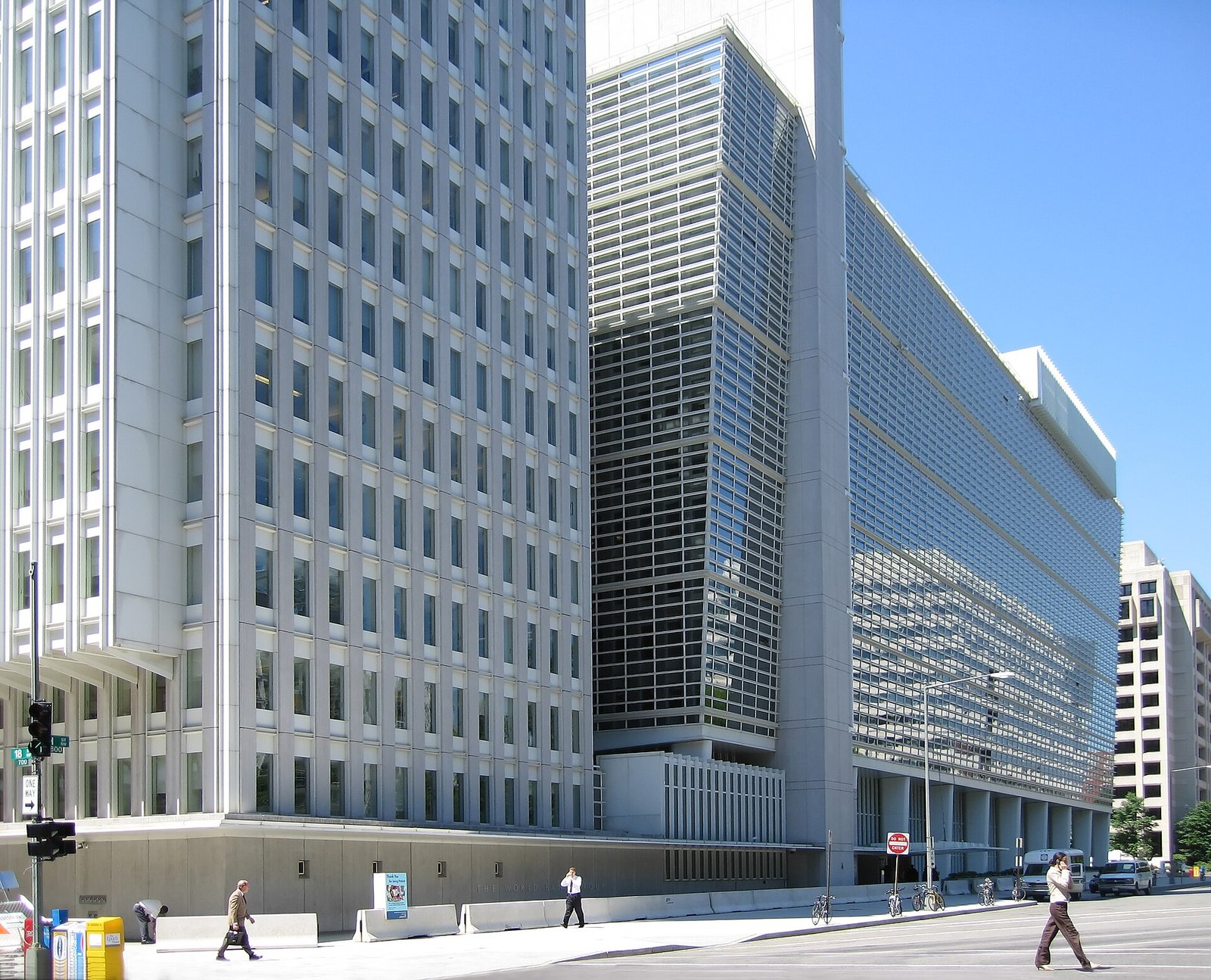
Photo: Shiny Things / Wikimedia Commons, CC BY 2.0
The World Bank has raised its 2026 growth forecast for sub-Saharan Africa to 4.3%, signalling a stronger regional outlook but not yet the scale of expansion needed for millions of young people entering the labour market.
Forecast upgraded
The revised projection, released on 6 October in the World Bank’s latest Africa Economic Update, is 0.3 percentage points above the Bank’s April forecast. Regional growth is expected to rise from 4.1% in 2025 to 4.3% this year.
DGBN has also reported on Nigeria casts healthcare as economic infrastructure at new diagnostic centre openings.
The Bank said it had improved its outlook for nearly three-quarters of economies in the region, including Angola, Ethiopia, Nigeria and Zambia. The upgrade reflects stronger macroeconomic resilience, firmer domestic demand and investment connected to the global energy transition and digital technologies.
That marks a notable shift from April, when the Bank said growth was holding at 4.1% amid mounting downside risks.
Reforms and investment underpin outlook
The stronger forecast points to the importance of macroeconomic reforms after years in which many African economies faced high inflation, currency pressures, rising debt costs and constrained public finances.
The World Bank said better economic management and reform efforts in several countries had helped create a more resilient base. Investment in energy-transition supply chains and digital infrastructure is also expected to support activity.
For more context, read DGBN’s coverage of Quickmart opens KSh15bn share sale as IFC eyes cornerstone stake.
For Black communities across the continent and diaspora investors, the forecast reinforces Africa’s position as a major source of future growth. But the figures also show why headline GDP expansion must be judged against employment, household incomes and access to opportunity—not simply national output.
Growth still falls short on jobs and poverty
The Bank warned that regional growth remains insufficient to substantially reduce extreme poverty or generate enough jobs for sub-Saharan Africa’s rapidly growing working-age population.
This is the central test for governments: turning economic stabilisation into broad-based gains. Faster growth alone will not resolve inequality if investment does not deliver reliable power, productive businesses, skills, decent work and stronger public services.
The report also highlights substantial threats to the recovery. The World Bank cited geopolitical tensions, climate shocks, declining development assistance, fiscal pressures, tighter financial conditions, trade-policy uncertainty, disease outbreaks and insecurity among the risks facing the region.
Why AI readiness matters
This edition of the Africa Economic Update focuses on building readiness for artificial intelligence. The Bank argues that the foundations for an AI-ready economy could help turn growth into better jobs and wider opportunity.
That means expanding affordable electricity, internet access, digital skills, data systems and the regulatory capacity to deploy new technology safely. Without those foundations, the benefits of AI and digital investment risk being concentrated in a small number of firms and cities.
Related DGBN reporting includes OneDosh spotlights cross-border finance at New York Nigerian Independence celebration.
The upgraded World Bank forecast offers encouragement, but it is not a declaration of economic victory. The measure of success will be whether the rebound produces shared prosperity for Africa’s people.