
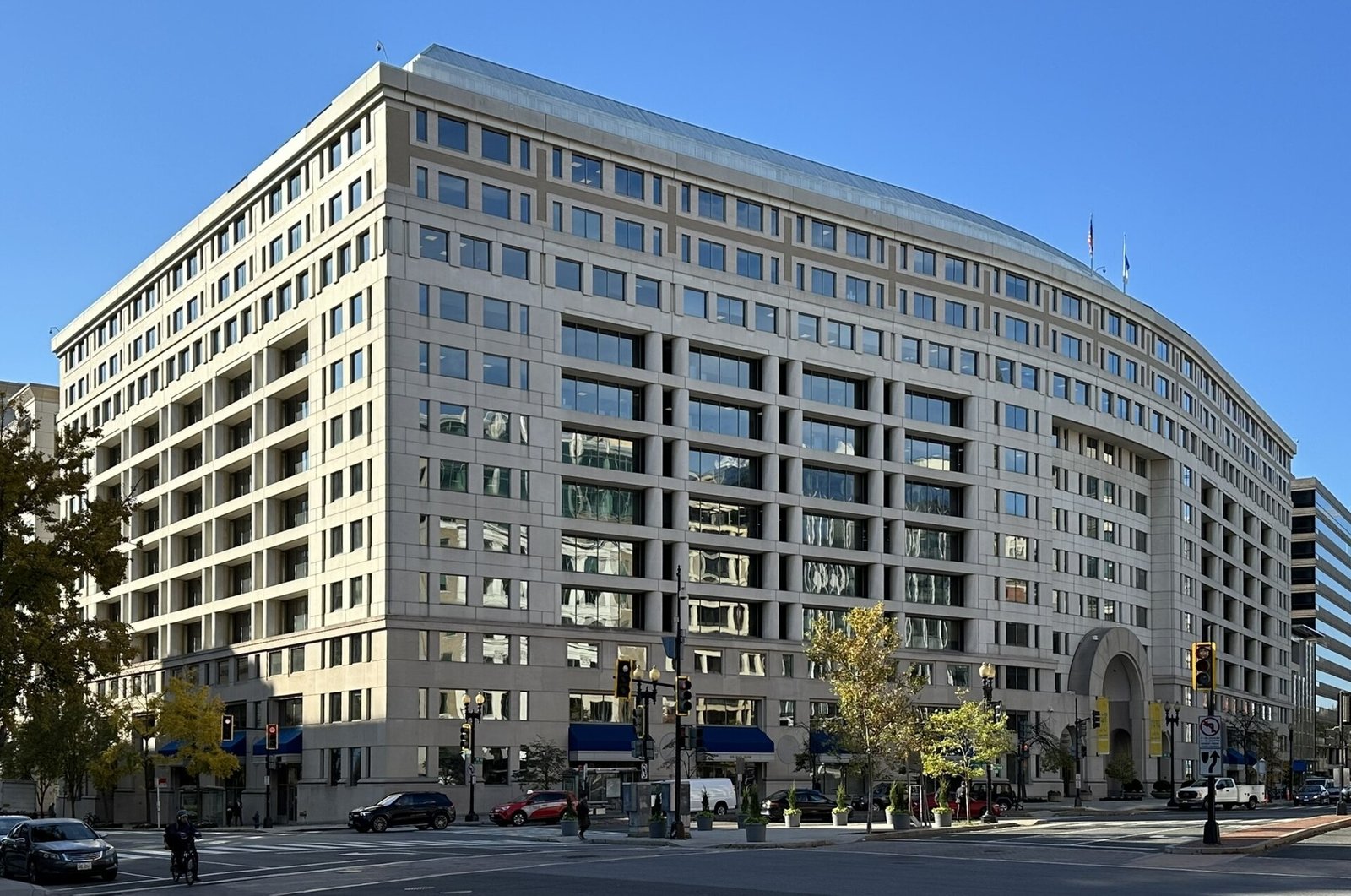
Photo: APK / Wikimedia Commons, CC BY 4.0
Barbados has secured a US$175 million Inter-American Development Bank guarantee intended to turn lower debt-servicing costs into major investment in a more resilient public health system.
Debt relief directed towards care
The IDB’s Board approved the guarantee on 28 October for Barbados’ Health Services Resilience Program, which aims to reduce the burden of chronic non-communicable diseases and mental health conditions.
DGBN has also reported on Yvette Clarke joins congressional call to withdraw English-only Head Start proposal.
The guarantee is part of a wider financing package expected to help Barbados refinance debt on more favourable terms. The resulting fiscal savings are expected to support about US$160 million in health investments, according to the IDB.
It is the first transaction under the Caribbean multi-guarantor debt-for-resilience initiative, involving the IDB, CAF – Development Bank of Latin America and the Caribbean – and the Caribbean Development Bank. The initiative seeks to use guarantees to create room in national budgets for resilience projects without increasing public debt.
Focus on chronic disease and mental health
The health programme is set to strengthen prevention, early detection and continuous treatment for non-communicable diseases, while improving mental-health support. It also identifies older people and people with disabilities among the groups expected to benefit from more community-oriented services.
For more context, read DGBN’s coverage of Democratic-leaning governments outperform autocracies in African governance study.
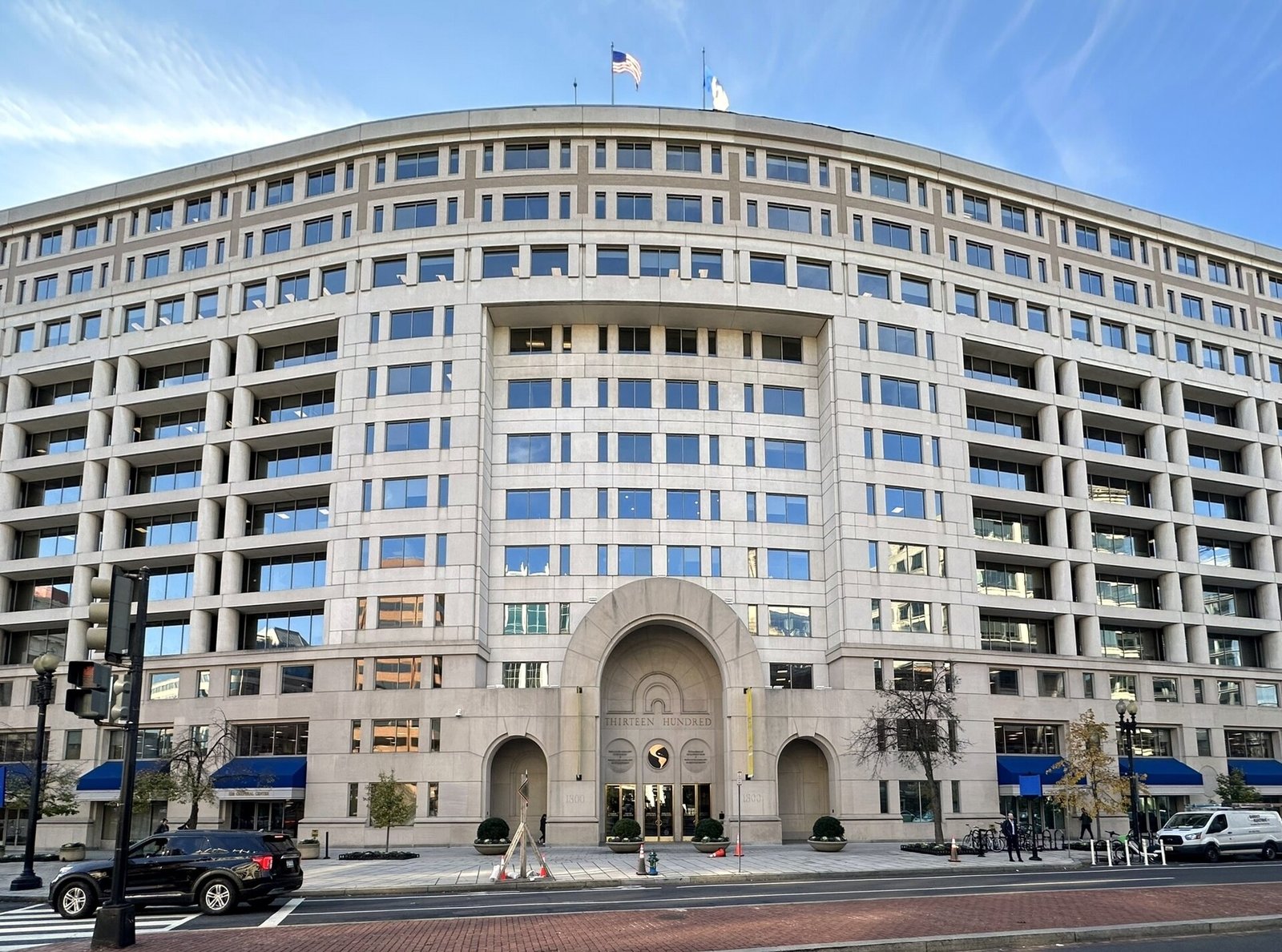
Planned spending includes more resilient health infrastructure, stronger primary and community care, and interoperable digital health systems. Telehealth is also expected to broaden access and help patients remain connected to healthcare providers during severe weather or other disruptions.
The IDB says the programme will support behaviour-change measures in schools, workplaces and communities, alongside work on policies and regulation linked to healthy living, disease prevention and mental wellbeing.
A regional test case
Barbados has already used debt conversions to support environmental priorities, including a debt-for-climate-resilience operation that generated fiscal savings for water and food-security investments. The new health-focused arrangement extends that approach into social infrastructure.
For Barbados and other Caribbean nations, the significance is direct: high debt costs can limit governments’ capacity to invest in the services people rely on every day. A successful health debt swap could offer a model for financing care systems that must withstand both the long-term pressure of chronic illness and the immediate threats posed by hurricanes and climate shocks.
The regional initiative requires debt-swap transactions to include a public-good element for the Caribbean, linking national reforms with wider regional resilience. The IDB-backed programme is also expected to contribute to a pharmaceutical hub aimed at improving the reliability of medical and pharmaceutical supplies across the region.
Related DGBN reporting includes Nigeria’s oil security push puts economic recovery claims to the test.
The guarantee does not itself represent a US$175 million cash grant for hospitals. Rather, it backs financing so Barbados can secure better borrowing terms and channel the savings into agreed health priorities.