
Photo: Michael Barera / Wikimedia Commons, CC BY-SA 4.0
Voters across metro Detroit will decide whether to protect long-term funding for major cultural institutions, including one of the United States’ leading museums dedicated to Black history.
Two proposals, different counties
On Tuesday 3 November, voters in Wayne, Oakland and Macomb counties will consider renewing the Detroit Zoo’s 0.1-mill property-tax levy for another 10 years. The renewal would support the Detroit Zoo and Belle Isle Nature Center.
DGBN has also reported on Falcons’ Za’Darius Smith Reveals Why He Came Out of Retirement to Fulfill His Mother’s Final Wish After Quitting the Eagles: ‘I Was in a Dark Place’.
Separately, voters in Wayne and Oakland counties will be asked to approve a new 10-year, 0.2-mill levy for the Southeast Michigan Public Historical Museum Authority. The proposal would fund the Charles H. Wright Museum of African American History, the Detroit Historical Society, Detroit Historical Museum and Dossin Great Lakes Museum.
The zoo measure is a renewal rather than a tax increase. Supporters say it would cost roughly $10 annually for a home with a taxable value of $100,000, while the museum proposal would cost about $30 a year on a home with a taxable value of $150,000.
What is at stake for The Wright
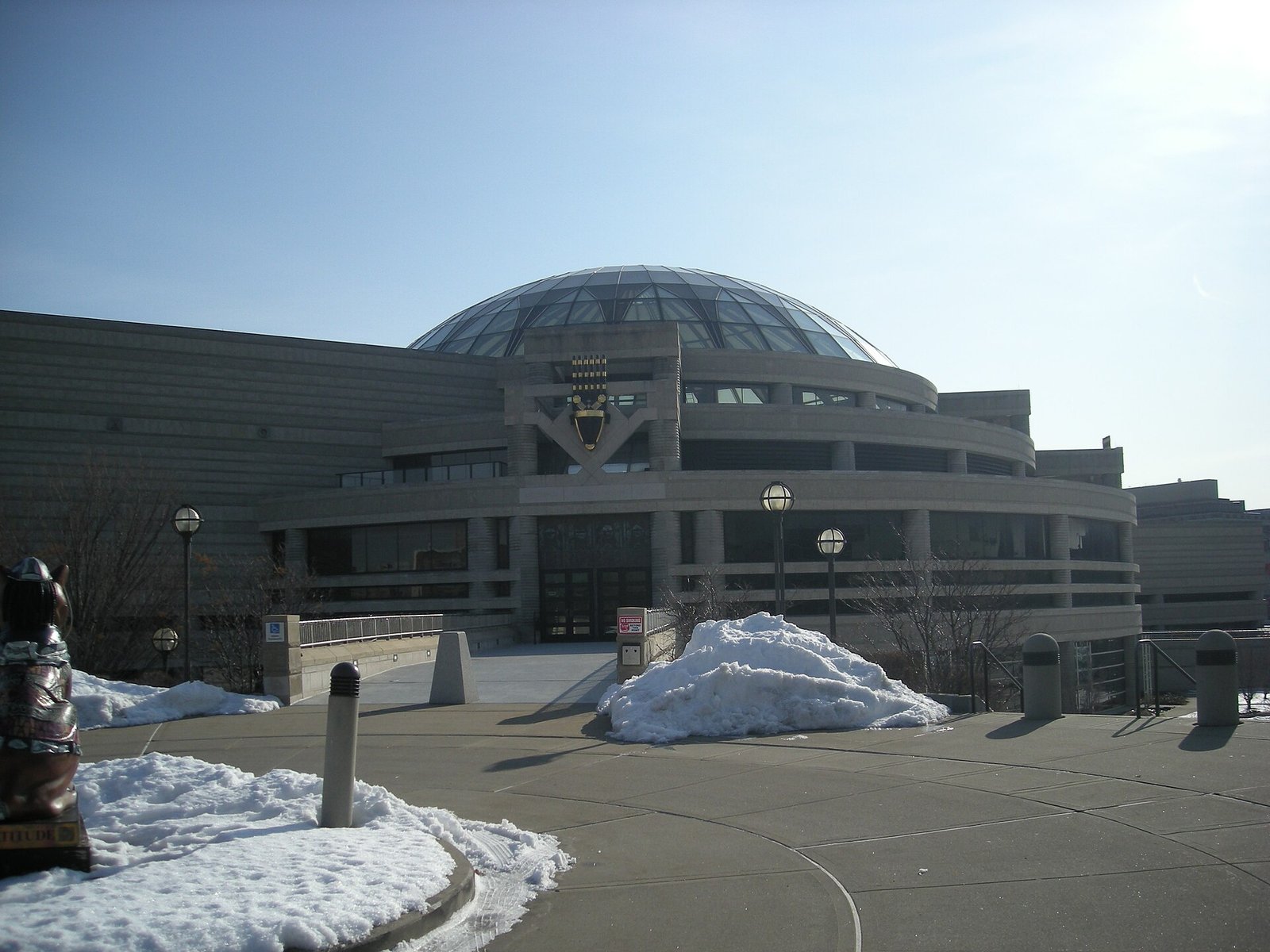
The Charles H. Wright Museum is a vital Black cultural institution in Detroit, preserving and interpreting African American history, culture and struggles for freedom. Its inclusion in the proposed regional authority would give it a more dependable source of operating income than ticket sales, grants and periodic public support alone.
For more context, read DGBN’s coverage of Gladys Knight’s Husband Denies Dementia Claims One Year After the Singer’s Son Raised Concerns About Her “Zoning Out” Onstage.

Museum leaders say approval would allow free admission for Wayne and Oakland county residents, expanded educational programming and free transport for school pupils and older visitors. The proposal also directs 15% of generated revenue, after administrative costs, to other historical museums in the two counties.
Neil Barclay, president and chief executive of The Wright, told Michigan Public that failure of the measure could force the institution and Detroit Historical Society to reduce budgets, services, staffing or operating hours.
For Black Detroiters and the wider diaspora, the vote carries significance beyond museum finance. It concerns sustained public access to an institution that records Black achievement, community memory and the continuing fight for equality in a city shaped profoundly by African American migration, labour and political organising.
Zoo funding and voter choice
The Detroit Zoo levy was first approved in 2008 and renewed in 2016. The zoological authority says the existing tri-county funding supports operations at the zoo, which cares for more than 2,000 animals across around 200 species, as well as education and conservation work.
Detroit Zoological Society chief executive Hayley Murphy said the levy provides about one-third of the organisation’s operating income. Backers also cite the zoo’s economic contribution and school outreach.
Related DGBN reporting includes Gospel Dream brings African American gospel tradition to Paris stages.
Both proposals arrive as households weigh added public costs against the future of regional institutions. Supporters argue the levies are modest investments in access, education and preservation; voters will make the final decision at the ballot box on 3 November.