
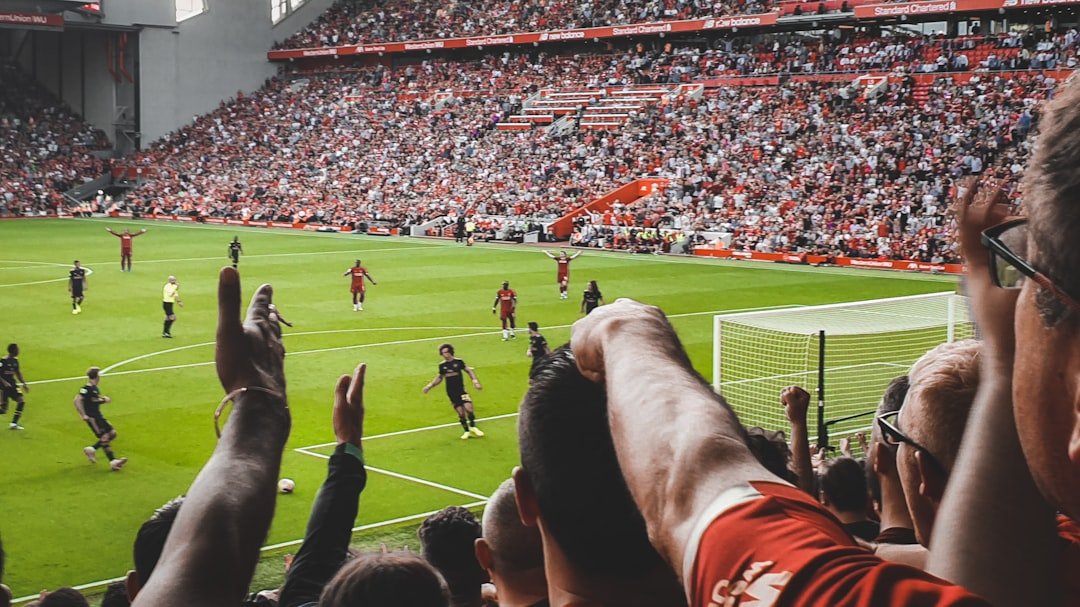
Paris St-Germain will host its season-opening Ligue 1 fixture away from home after extreme weather conditions rendered the club's iconic stadium pitch unfit for play. The Parisian giants announced that their opening match will instead take place at Rennes' stadium, following significant damage to the Parc des Princes playing surface caused by the recent heat wave.
The decision underscores the growing challenges that professional sports organizations face in maintaining athletic facilities during periods of severe weather. Hot weather can cause significant stress on grass pitches, leading to dried-out turf, bare patches, and overall surface degradation that creates unsafe playing conditions. For a club of PSG's stature, having to relocate its season opener is an unusual and unwelcome disruption to normal operations, particularly as the club prepares to make its opening statement in the domestic league campaign.
The Parc des Princes has served as PSG's home since 1974, making it one of the most storied venues in French football. The stadium holds considerable historical significance for the club and its supporters, who were undoubtedly disappointed by the news that the season would not commence at their traditional home ground. Relocating even a single match represents a notable operational challenge for a club accustomed to playing before its home crowd in its familiar surroundings.
The pitch damage highlights broader infrastructure concerns facing sports venues across Europe as climate patterns shift. Groundskeeping teams employ various techniques to preserve playing surfaces during hot spells, including additional watering schedules and protective coverings. However, when heat becomes severe enough, these measures may prove insufficient to prevent deterioration. The extent of damage to the Parc des Princes pitch evidently exceeded what could be remedied in time for the scheduled season opener, necessitating the stadium switch.
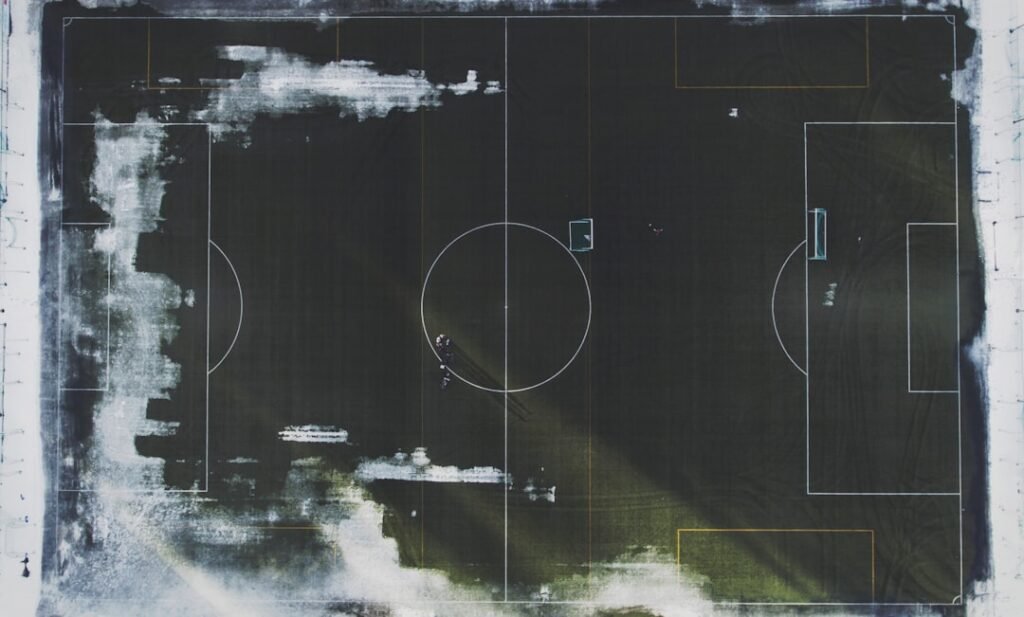
PSG's relocation to Rennes' facility, while not ideal, provides a practical solution that allows the season to proceed without further delays. Rennes, another Ligue 1 club, possesses the necessary infrastructure and pitch conditions to accommodate the match. The arrangement, though temporary, demonstrates the flexibility required by professional sports organizations when unexpected circumstances arise.
The decision also raises questions about long-term facility planning and climate resilience in sports infrastructure. As extreme weather events become increasingly frequent, clubs and stadium operators may need to invest in enhanced pitch maintenance systems, improved drainage, or alternative playing surfaces designed to withstand more severe conditions. For PSG and other major clubs, such investments could prove essential to preventing future disruptions.
The season opener carries particular importance as clubs seek to establish momentum heading into the campaign. PSG will face the added pressure of playing in an unfamiliar venue while attempting to set the tone for the season. Away from the supportive atmosphere of the Parc des Princes, the team faces different dynamics that could influence performance and team confidence during this crucial early fixture.
Despite the logistical inconvenience and the disappointment of playing away from home, PSG's relocation to Rennes reflects the professional approach required to navigate unexpected challenges in modern professional sports. The situation, while regrettable, remains manageable within the context of a full league season.
Source: BBC Sport | Published: Thu, 20 Aug 2026 07:48:29
Image: Photo by 하준 윤 on Unsplash
Leave a Reply