

West Ham United has taken a public stance against supporters who performed a chant with political undertones at a recent fixture, calling on the club's fanbase to cease the behavior immediately.
During the team's match against Burnley last weekend, certain supporters were heard directing a chant toward Manor Solomon, the club's Israeli player, that the organization characterized as carrying anti-Palestine sentiment. The chant drew immediate criticism from the club's leadership, which moved swiftly to address the matter through an official statement to supporters.
The Premier League club issued a formal condemnation of the incident, describing the chant as divisive in nature. West Ham emphasized that such displays of political messaging have no place within their stadium environment and are fundamentally at odds with the values the institution seeks to promote. The organization stressed that the behavior undermines the inclusive atmosphere they have worked to cultivate among their diverse fanbase.
Manor Solomon, who joined West Ham from Shakhtar Donetsk, has become an important player in the club's squad since his arrival. The incident highlights the ongoing tensions that can emerge at football stadiums when international and geopolitical issues intersect with match-day atmospheres. Players representing nations involved in contentious political situations have occasionally faced unwanted attention from supporters, and football clubs across Europe have increasingly felt the need to address such occurrences head-on.
West Ham's response reflects a broader commitment within professional football to combat discriminatory behavior and maintain respectful environments for all participants, whether players, staff, or supporters. The club's swift and direct condemnation signals to its fanbase that political or religious messaging directed at players will not be tolerated. This approach aligns with efforts across the sport to create spaces where football remains the central focus rather than a vehicle for external political expression.
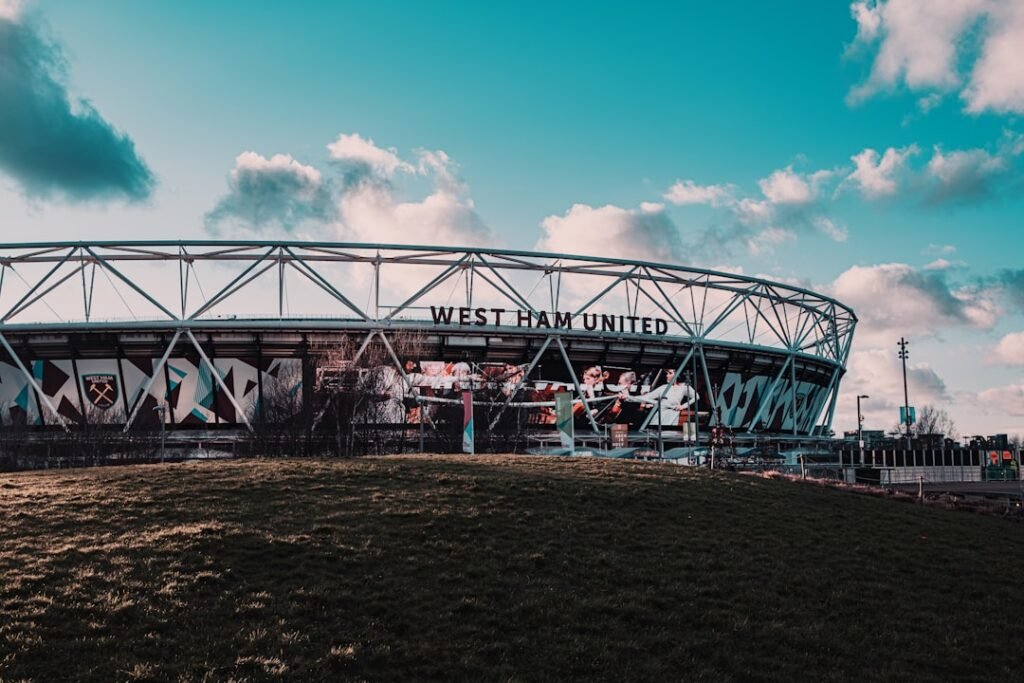
The incident comes at a time when football clubs have faced growing scrutiny regarding their responsibility to police supporter behavior and foster inclusive communities. Many organizations have implemented education initiatives and enforcement mechanisms to discourage offensive chanting or displays. West Ham's willingness to publicly name the specific nature of the chant demonstrates the organization's determination to set clear standards for acceptable conduct.
Supporters of professional football clubs span diverse backgrounds, nationalities, and belief systems. Managing these communities while preserving the passion and emotion that define the sport presents an ongoing challenge for administrators and club leadership. Incidents such as the one at Burnley underscore the delicate balance clubs must maintain between allowing supporters freedom of expression and protecting the dignity of players and maintaining an environment where all can participate comfortably.
The club's plea to supporters to discontinue the chant serves as both a direct request and a broader message about the standards expected within their community. By framing the issue as contrary to the club's values rather than simply imposing punitive measures, West Ham has attempted to appeal to supporters' sense of collective identity and belonging.
West Ham's handling of this incident will likely contribute to ongoing conversations within football about how clubs can most effectively address political expression and discriminatory behavior among their fanbase. The early, transparent response demonstrates one approach to addressing such situations promptly before they escalate or recur at subsequent matches.
Source: BBC Sport | Published: Thu, 20 Aug 2026 09:32:35
Leave a Reply