

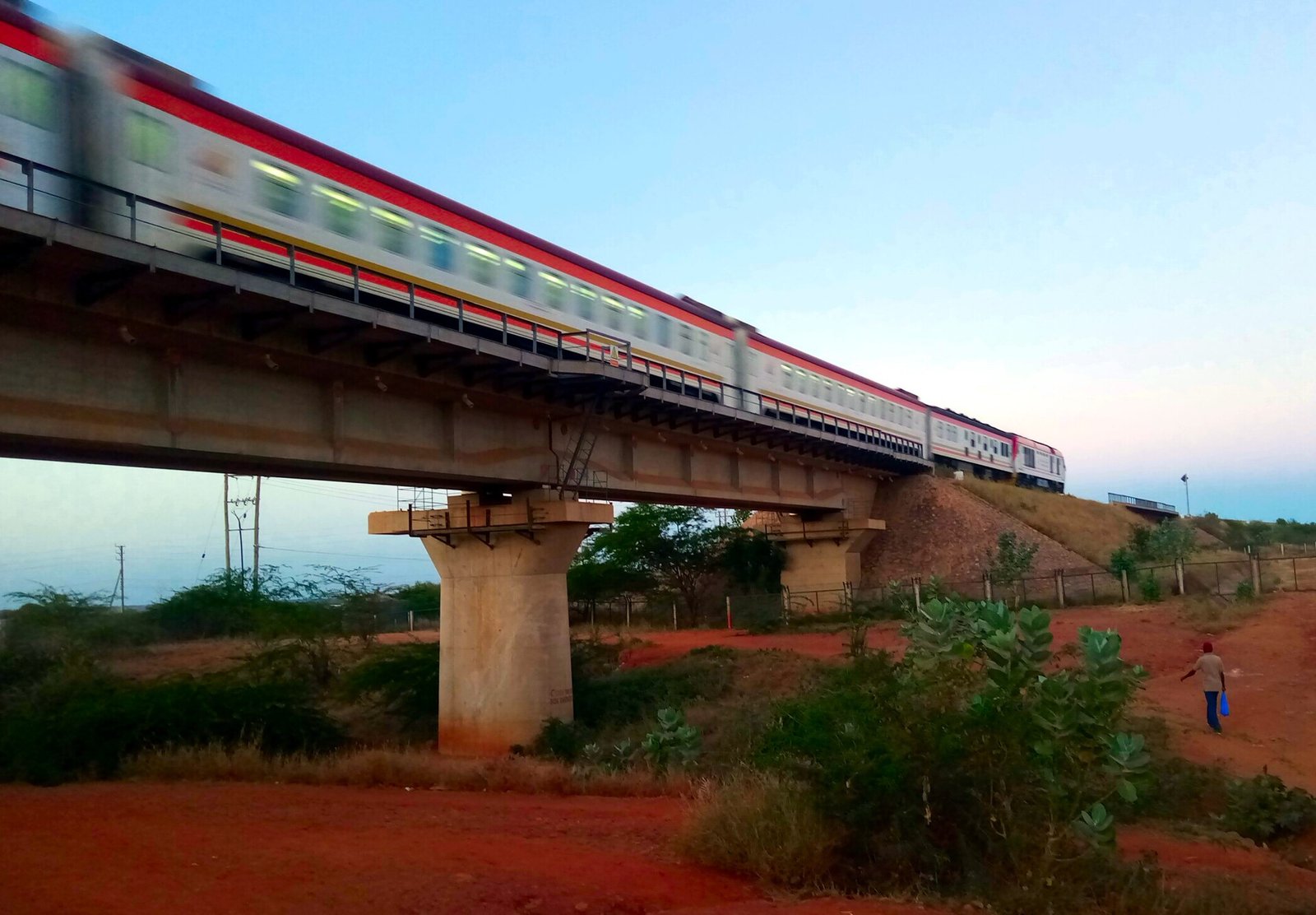
Photo: Mohanaaman / Wikimedia Commons, CC BY-SA 4.0
Africa’s debt debate must judge lenders by affordability, transparency and conduct in a crisis — not by their nationality.
A fresh intervention in a long-running debate
In an opinion article published on 3 November, Daryl Swanepoel argues that Western warnings about Chinese lending often overlook the much larger role that private creditors play in African public debt.
DGBN has also reported on AI Debt Rush Raises Pressure on European Bond Markets.
The central point is not that Chinese loans are beyond criticism. It is that African governments and citizens deserve one standard for every creditor: Chinese state banks, Western commercial lenders, bondholders and multilateral institutions.
That matters because debt repayments can squeeze spending on public services and investment. For Black communities across the continent, the consequences are concrete: less fiscal space for hospitals, schools, transport, jobs and climate resilience.
Private creditors hold a major share
Debt Justice calculated in 2022, using World Bank data, that Chinese public and private lenders held 12% of the external debt of 49 African governments covered by its analysis. Private creditors excluding Chinese private lenders held 35%.
The same study said private loans carried an average interest rate of 5% in 2021, against 2.7% for Chinese lenders and 1.3% for multilateral institutions. Those figures are historical rather than a measure of today’s loan pricing, but they underline why the cost of borrowing deserves as much attention as the source of finance.
For more context, read DGBN’s coverage of NITDA sets ₦3bn startup investment target as Africa urged to build, not just consume tech.
The World Bank’s latest International Debt Report also points to a more fragmented creditor landscape, with private creditors, bilateral lenders and multilateral institutions all central to debt dynamics across low- and middle-income countries.
China still faces serious questions
A demand for equal treatment of creditors is not a defence of opaque lending. AidData’s 2025 review of 371 Chinese debt contracts across 60 countries found extensive use of confidentiality provisions, collateral arrangements and clauses restricting recourse to Paris Club-style restructuring.
Such terms can limit public oversight and complicate debt workouts. African governments must be able to disclose commitments, assess repayment risks honestly and protect the public interest before signing major borrowing agreements.
Chatham House has also cautioned against simplistic claims that Chinese lending is a coordinated scheme to seize African assets. Its research found that debt distress can stem from poor project selection, weak public financial management and a wider build-up of commercial debt, alongside problems in Chinese lending practices.
Agency must remain central
The debate cannot reduce African states to passive targets in a contest between major powers. Governments that conceal liabilities, overpay for prestige projects or borrow without a credible repayment plan must be accountable to their people.
Creditors, meanwhile, should face the same questions wherever they are based: Are terms public? Is the finance reasonably priced? Does the project create real economic value? Will the lender take part in fair restructuring when a country is in difficulty?
Related DGBN reporting includes Holness leads Jamaica at Commonwealth summit in Antigua despite post-Melissa travel freeze.
Africa needs investment and affordable capital. Selective warnings about one creditor risk turning a development challenge into geopolitical theatre. A credible approach would demand transparency, responsible lending and meaningful debt relief from every party at the table.