
Photo: Taufik / Wikimedia Commons, CC BY-SA 4.0
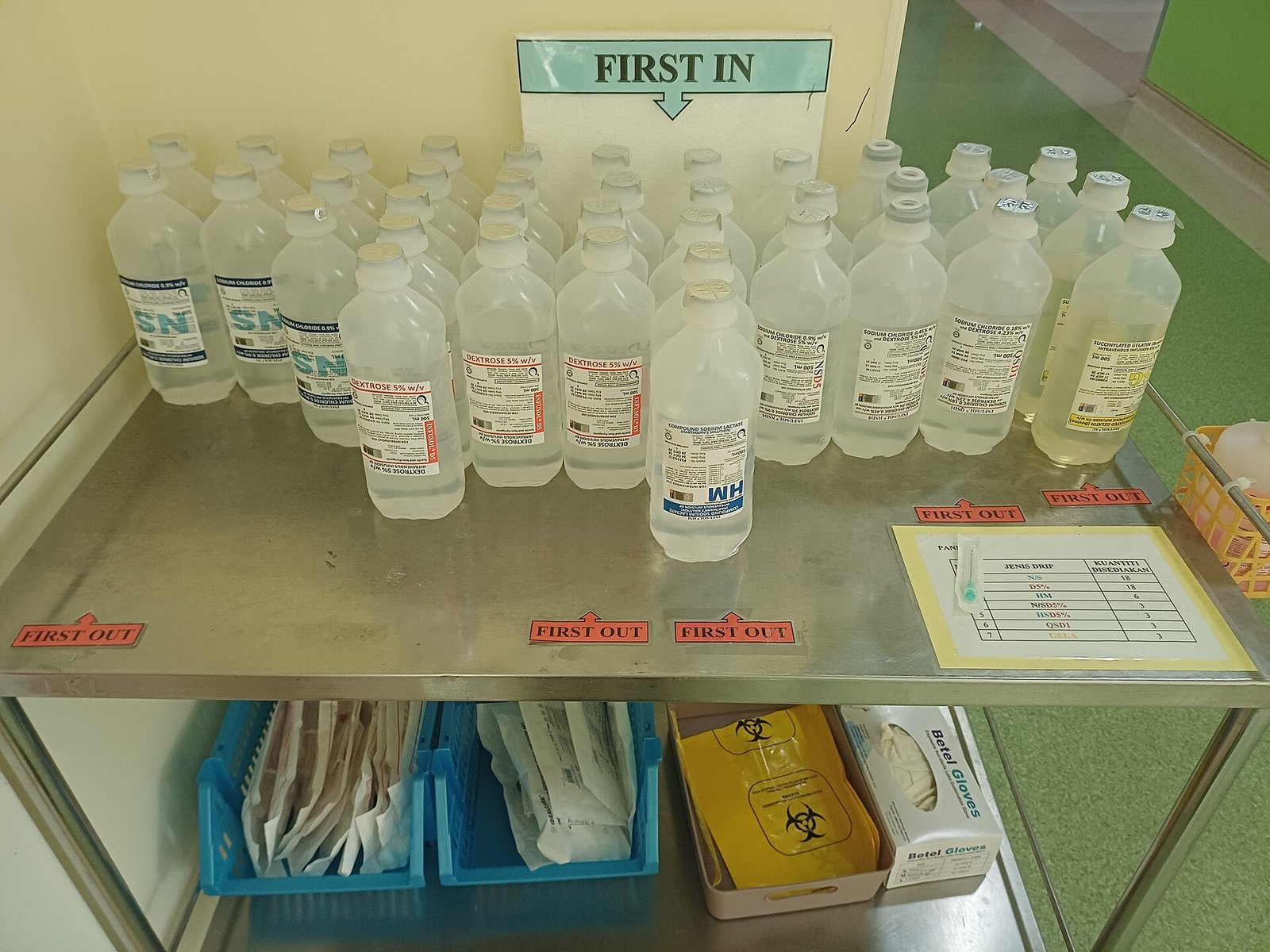
Nigeria and Barbados are advancing plans for an Africa–Caribbean pharmaceutical corridor centred on local production of essential intravenous fluids.
A proposed Barbados plant
Nigeria’s Secretary to the Government of the Federation, George Akume, announced the initiative during the Commonwealth Business Forum in Antigua, held alongside the 2026 Commonwealth Heads of Government Meeting.
DGBN has also reported on CVS Health Plans to Split Pharmacy and Insurance Businesses by 2028.
The proposed joint venture pairs Nigeria’s AMA Medical Manufacturing with Barbados Pharmaceutical Inc (BPI) to develop an intravenous-fluids manufacturing facility in Barbados. Afreximbank is involved in project preparation and a potential financing route.
The project is not yet an operating factory. Commonwealth investment materials describe it as seeking capital and strategic partners, but say it is designed to manufacture around 12 million IV-fluid units a year for Barbados, CARICOM markets and exports.
Building on earlier ties
The proposal follows a November 2025 memorandum of understanding between Nigeria’s Presidential Initiative for Unlocking the Healthcare Value Chain and BPI. In March 2026, AMA delivered an initial shipment of IV fluids from Nigeria to Barbados, according to BPI.
For more context, read DGBN’s coverage of Barry Callebaut Profit Outlook Misses Forecast as Cocoa Cost Risk Persists.
The partnership is intended to work in both directions. Akume said Barbados-made Lenstec intraocular lenses have undergone evaluation and early clinical use in Nigeria, while direct Air Peace services linking Lagos, Barbados and Antigua could support closer commercial ties.
Nigeria’s medicines regulator, NAFDAC, lists AMA Medical Manufacturing among registered finished-pharmaceutical producers, including for large-volume parenteral products such as intravenous fluids.
Why it matters
For Caribbean nations, the planned facility could reduce dependence on distant suppliers for basic hospital products used in emergency care, surgery and routine treatment. BPI says the region remains heavily reliant on imported medicines and IV fluids, leaving health systems exposed to shipping disruption and supply shortages.
For Nigeria and the wider African diaspora, the proposed venture is a practical test of South-South cooperation: African manufacturing expertise moving beyond the continent, Caribbean workers gaining specialised production skills, and trade flowing across a relationship long defined by shared ancestry and history.
Akume framed the Caribbean as more than an export market for Nigeria, arguing that health manufacturing, regulation, financing and investment must be coordinated if the corridor is to deliver reliable medicines and durable jobs.
Related DGBN reporting includes Democrats near US House majority as Hakeem Jeffries eyes historic speakership.
For wider context, see Deportivo v Osasuna preview: Arrasate demands bravery as Hidalgo’s side chase end to winless run on Diajem Sports Network.
The project’s success will depend on financing, regulatory approvals, construction and reliable regional distribution. But the proposal signals a shift from cultural diplomacy towards a tangible Black Atlantic industrial partnership built around health sovereignty.