

Photo: MHM55 / Wikimedia Commons, CC BY-SA 4.0
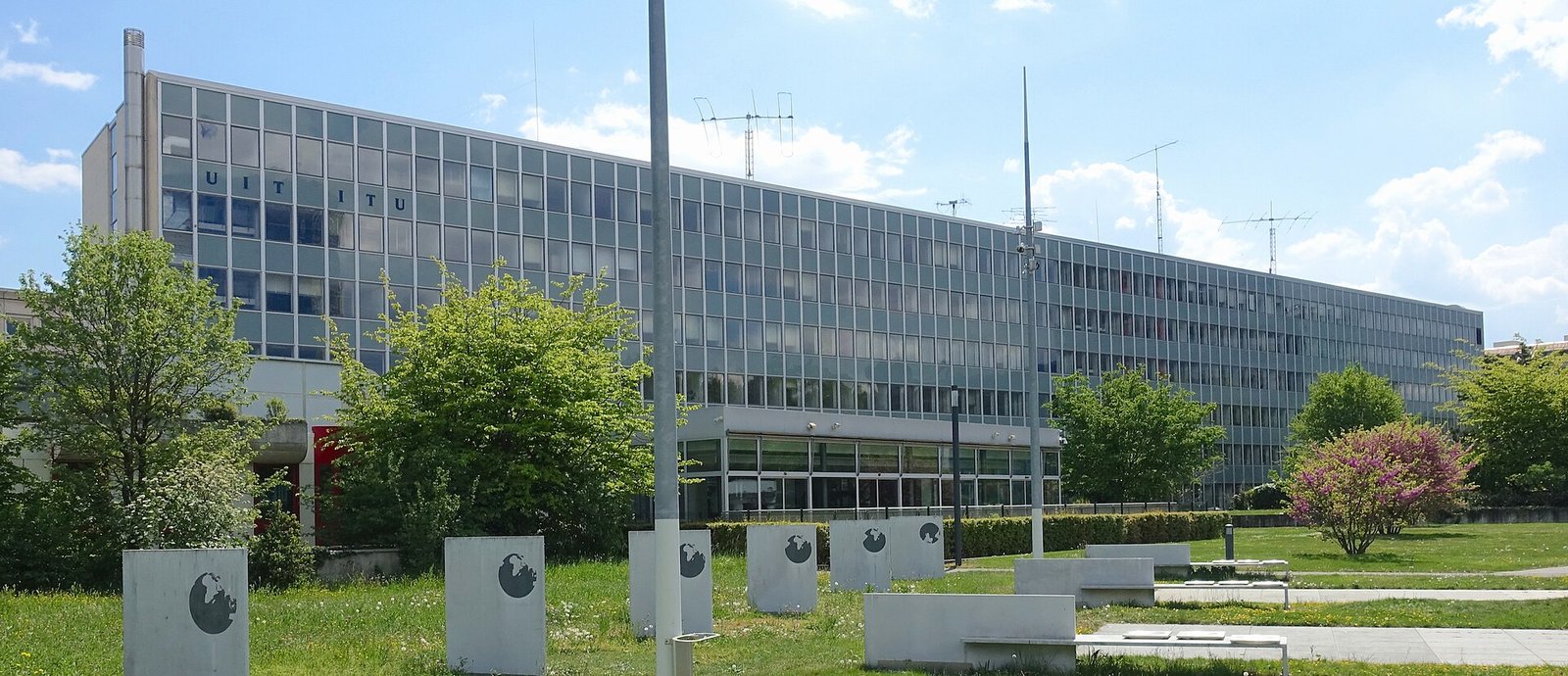
Ghana has called on the International Telecommunication Union to turn its next strategic agenda into practical action that brings more Africans online.
Push for concrete outcomes
Communications, Digital Technology and Innovations Minister Samuel Nartey George made the appeal at the ITU Plenipotentiary Conference in Doha, Qatar, where governments are setting the direction of the United Nations digital technologies agency.
DGBN has also reported on Cairo ICT 2026 opens with AI and digital sovereignty at centre stage.
George said the ITU’s 2027–2030 plan should be judged by measurable progress, including greater investment in last-mile networks and fairer access to radio spectrum and satellite orbital resources. Those issues are central to connecting communities that remain beyond reliable and affordable broadband coverage.
The conference, which opened on 9 November and runs until 27 November, brings together ITU member states to determine policy, financial priorities and leadership for the next four years.
Africa’s access gap remains severe
The urgency is clear. ITU data shows that only 38% of Africa’s population used the internet in 2024, leaving the region with the lowest internet adoption rate of all ITU regions. The challenge is especially stark outside cities: 57% of urban residents were online, compared with 23% in rural areas.
While mobile broadband networks covered 86% of Africa’s population in 2024, coverage alone has not delivered universal access. High device and data costs, limited digital skills and unreliable connectivity continue to exclude millions of people.
For more context, read DGBN’s coverage of Ghana and US step up digital cooperation talks as data centre investment takes focus.
For Black communities across Africa and the diaspora, this is more than a technology policy debate. Connectivity increasingly shapes access to education, jobs, healthcare information, public services, entrepreneurship and participation in the global digital economy. A continent left offline also risks having less influence over the rules governing artificial intelligence, data and satellite communications.
Ghana links connectivity to skills and AI capacity
George highlighted Ghana’s domestic technology agenda, including plans for a National AI Compute Centre intended to support research, innovation and enterprise. He also pointed to the government’s One Million Coders programme, a four-year initiative designed to train Ghanaians in areas including coding, cybersecurity, data science and network support.
Ghana’s 2026 budget identifies the programme as part of a wider digitalisation drive tied to skills, entrepreneurship and financial inclusion.
The minister also said Ghana was prepared to share its experience in cyber-security, including the establishment of computer emergency response teams and child online protection measures.
A test for international cooperation
The Doha meeting has placed global connectivity, resilient infrastructure and emerging technologies at the centre of its agenda. The ITU says two billion people worldwide remain offline.
Related DGBN reporting includes Visa rules deter 52% of African travellers from visiting destinations, IATA survey finds.
Ghana’s intervention adds to pressure for the organisation’s next plan to address the unequal economics of digital access, rather than treating connectivity as a goal that can be reached through declarations alone. For African governments, the test will be whether commitments made in Doha result in finance, infrastructure and policy changes that reach communities currently left at the edge of the network.