
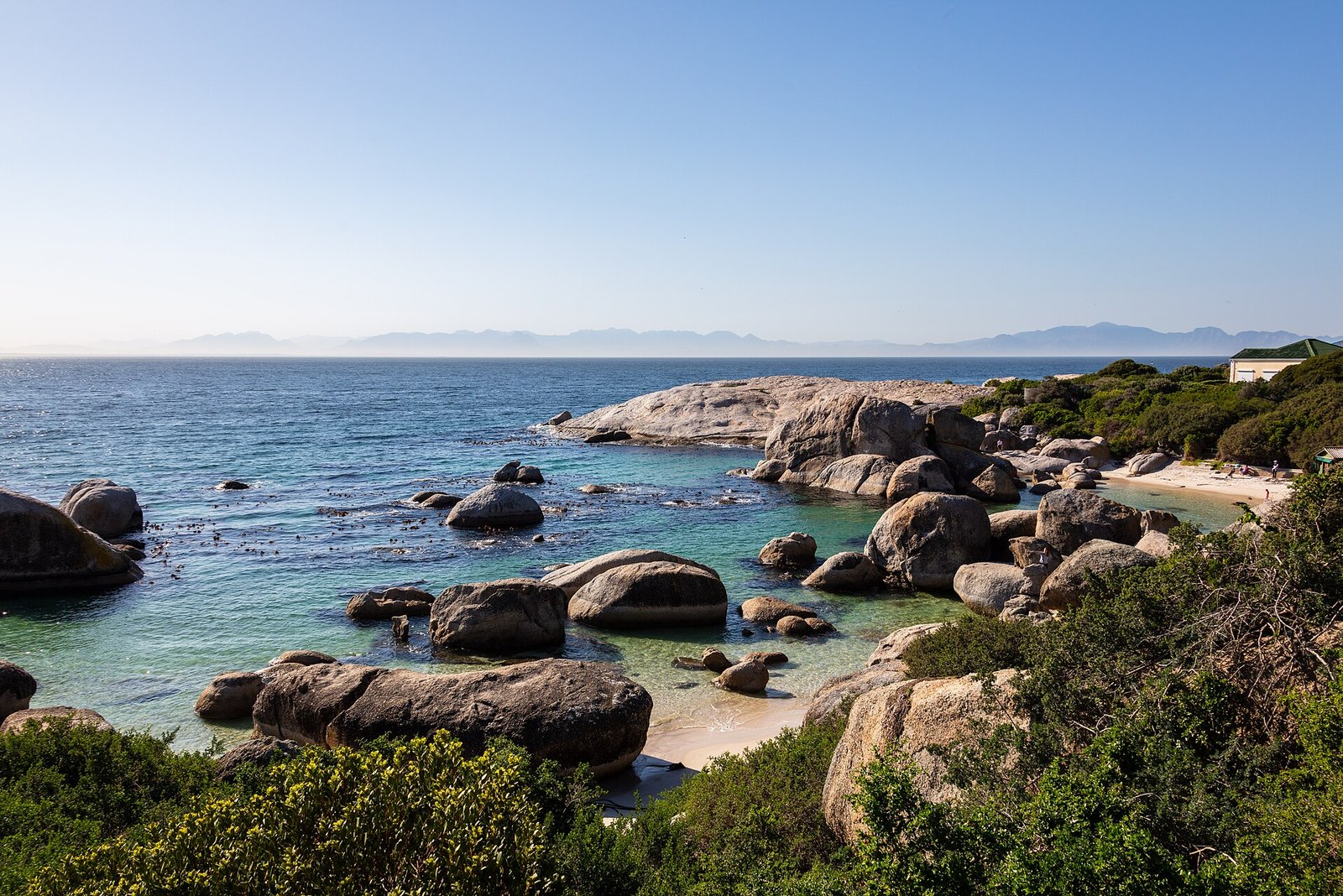
Photo: Diego Delso / Wikimedia Commons, CC BY-SA 4.0
The removal of Cape Town’s Waterfall baboon troop to a fenced wildlife centre has drawn protests from residents and animal welfare campaigners, while authorities say the move was a final alternative to culling.
Troop moved from Simon’s Town
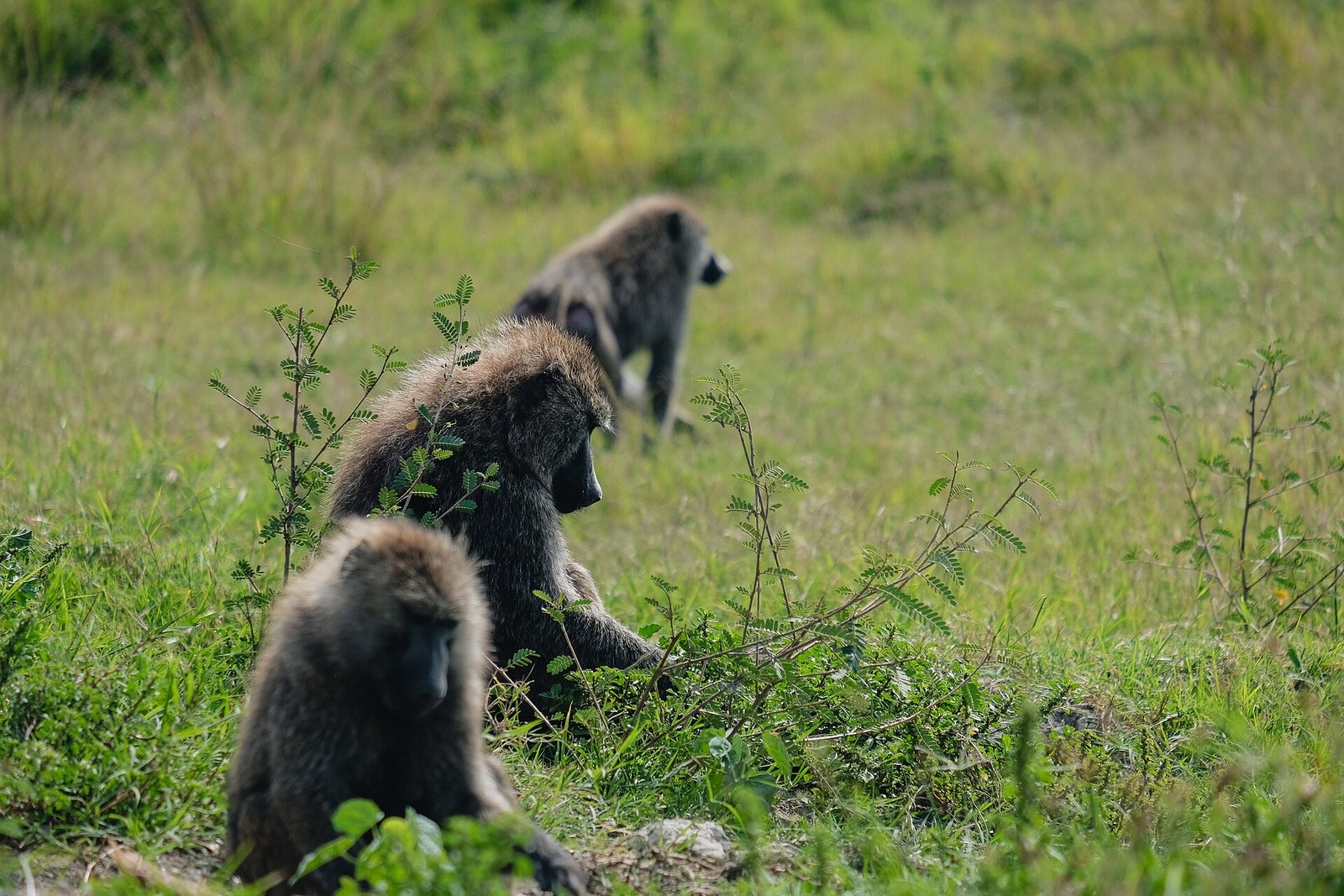
The 44-member Waterfall troop was captured in Simon’s Town on Friday 13 November and Saturday 14 November, then transferred to the Cape Town Urban Wildlife Centre at Kogelfontein.
DGBN has also reported on Ghana Pushes for 70% 5G Coverage by March 2027.
The City of Cape Town said 27 baboons were moved on the Friday and another 18 the following day. It said 44 had been released safely into the enclosure, while one remaining female was still to be captured.
Officials said the animals were assessed by three wildlife veterinarians, with females given contraceptive implants. The City said the troop was being monitored around the clock. It also confirmed that an elderly female was euthanised after veterinary checks found serious health problems.
A smaller Seaforth troop is also due to be relocated under the wider Cape Peninsula baboon management plan.
Protesters oppose permanent confinement
Opponents of the plan tried to obstruct vehicles transporting the baboons during the operation. According to the Daily Maverick, one person discharged a fire extinguisher during a confrontation.
On Sunday, protesters gathered outside the Kogelfontein site in a silent demonstration, tying flowers to its fence. Baboons from another troop reportedly gathered near the boundary and called towards the confined animals.
For more context, read DGBN’s coverage of South Africa sees manufacturing jobs rise as industrial revival drive faces output test.
The Cape of Good Hope SPCA urged campaigners not to delay transport, warning that capture and travel were already stressful for the animals. The organisation said its attendance did not signify support for the relocation, but was intended to ensure animal welfare oversight.
Mandy Neal of the Save Kogelfontein Baboons Facebook group called for regular silent protests, arguing that captivity was not conservation.
Why authorities say removal was necessary
The City said the Waterfall troop had become caught in persistent human-wildlife conflict in the urban area, where limited low-lying natural habitat, safety concerns and risks to baboon welfare had intensified.
It said the operation followed more than a year of communication with affected communities and came after other measures were considered ineffective. Authorities maintain that leaving the troop in Simon’s Town would expose both people and animals to continuing danger.
Professor Justin O’Riain, a University of Cape Town behavioural ecologist, said the management plan followed two years of public consultation. He criticised actions that, he said, had put staff, people and baboons at risk during the relocation.
Why this matters
The dispute reaches beyond one troop. Cape Town’s Black communities, like all residents of the peninsula, are directly affected by decisions about public safety, access to nature and the stewardship of wildlife in a rapidly growing city.
Related DGBN reporting includes Microsoft outage pushes businesses back to faxes, phones and Bluetooth.
The Waterfall relocation has become a test of whether urban authorities can protect communities and indigenous wildlife without treating either as expendable.