

The Panama Canal Authority announced a reduction in the number of vessels permitted to transit through one of the world's most strategically important shipping routes, citing persistently low water levels triggered by El Niño weather patterns. The operational adjustment represents a significant challenge for global maritime commerce and underscores the mounting climate pressures facing critical infrastructure worldwide.
The canal's management attributed the decision directly to insufficient rainfall associated with the El Niño phenomenon, which has constrained water availability essential for canal operations. The waterway depends heavily on freshwater from Gatun Lake to function, using massive quantities to fill and drain the lock chambers that allow massive cargo ships to traverse the roughly 51-mile route connecting the Atlantic and Pacific Oceans. When rainfall declines, water levels in the lake drop correspondingly, necessitating operational limitations.
Since its opening in 1914, the Panama Canal has served as the circulatory system for global trade, handling approximately five percent of worldwide maritime commerce and enabling vessels to avoid the lengthy and dangerous alternative route around Cape Horn at South America's southern tip. The canal processes thousands of transits annually, from massive container ships to bulk carriers transporting grain, minerals, and petroleum products. Any reduction in capacity ripples through supply chains across multiple continents and affects shipping costs for businesses worldwide.
El Niño, a naturally occurring ocean temperature pattern that develops periodically across the tropical Pacific, significantly alters weather systems globally. During El Niño events, precipitation patterns shift in ways that can reduce rainfall in Central America, directly impacting the water resources upon which the canal depends. The current episode has persisted long enough to create measurable operational stress on the waterway's infrastructure.
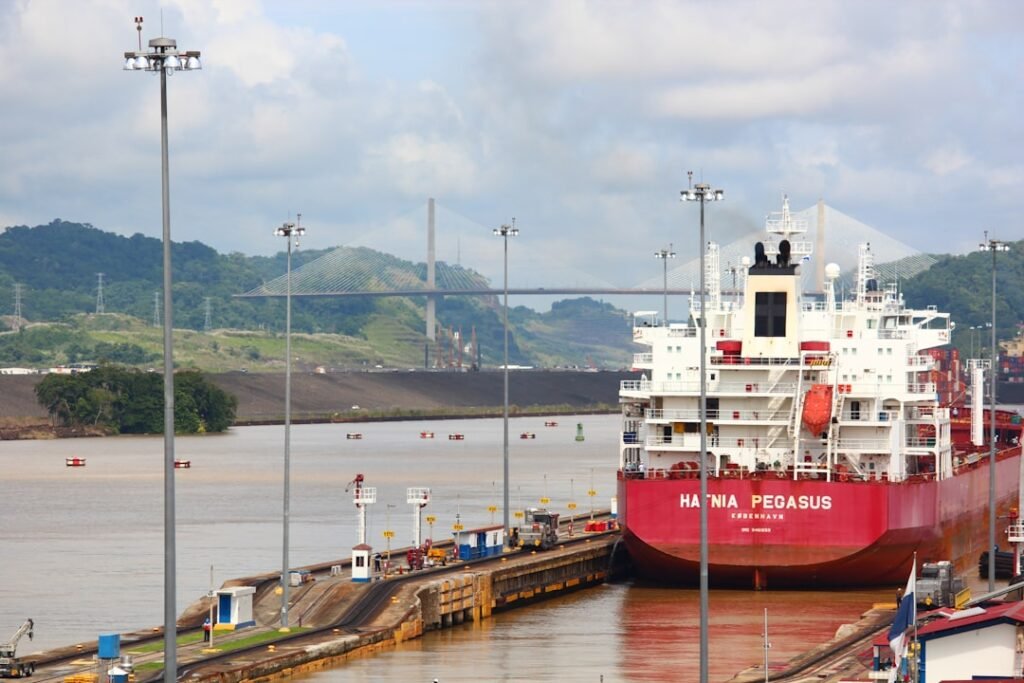
The canal authority's decision reflects an increasingly common dilemma facing critical infrastructure in an era of climate variability. As global shipping has grown more interconnected and dependent on just-in-time delivery systems, any interruption to major chokepoints can trigger cascading economic consequences. Shipping companies must now contend with potential delays, rerouting logistics, or accepting higher per-vessel costs as the number of transits decreases.
This situation highlights the vulnerability of canal operations to environmental factors beyond human control. While the canal possesses expansion projects completed in recent years designed to increase capacity and efficiency, those enhancements cannot override basic physical constraints imposed by water availability. Engineers and administrators continue working to optimize operations within environmental limitations, but there remain finite bounds to what mechanical solutions can achieve.
The implications extend beyond immediate shipping concerns. Insurance companies, port operators, exporters, and importers all face adjustment periods when canal capacity tightens. Developing economies particularly dependent on canal transits for their export competitiveness may experience economic headwinds. Meanwhile, shipping companies may redirect vessels through alternative routes or adjust scheduling, adding costs and complexity to global supply networks already strained by recent disruptions.
The Panama Canal Authority's move signals that even infrastructure assets of extraordinary strategic importance must ultimately bend to environmental realities. While the reduction may prove temporary if rainfall patterns normalize, the episode demonstrates how climate patterns, whether cyclical like El Niño or potentially influenced by longer-term climate change, can constrain the operations of systems critical to modern commerce and economic stability.
Source: BBC News | Published: Fri, 21 Aug 2026 06:46:08
Leave a Reply