

A groundbreaking vaccine trial has demonstrated the potential to prevent cancer recurrence in patients who have already undergone treatment, offering renewed hope in the ongoing battle against the disease. The immunotherapy approach showed promise in extending the period during which treated patients remained free from cancer, though researchers acknowledge significant questions remain about the long-term durability of the protection.
The experimental vaccine represents a shift in how medical professionals approach cancer treatment. Rather than targeting tumors that already exist, this vaccine works to train the body's immune system to recognize and eliminate cancer cells that may attempt to resurface after conventional treatment. This approach capitalizes on the immune system's natural ability to fight disease, essentially teaching it to be more vigilant against specific cancer threats unique to each patient.
The trial results mark an important milestone in immunotherapy development, a field that has gained considerable momentum over the past decade. Immunotherapy treatments work fundamentally differently from traditional chemotherapy, which works to kill rapidly dividing cells throughout the body. Instead, these therapies aim to unlock or enhance the body's own defenses, potentially offering patients a more targeted approach with potentially fewer side effects than conventional options.
The extended cancer-free period observed in trial participants represents meaningful progress for patients facing the reality of cancer recurrence. For many individuals who have completed primary treatment, the psychological and physical burden of waiting to see whether cancer will return remains one of the most challenging aspects of their health journey. Any intervention that can extend the time before recurrence occurs provides patients with additional years of improved quality of life and reduced medical burden.
However, researchers conducting this trial have emphasized the importance of cautious interpretation of these results. The fact that the duration of long-term protection remains unclear represents a critical limitation in understanding the vaccine's full clinical impact. Scientists will need to follow trial participants over extended periods to determine whether the protection holds indefinitely, gradually diminishes over time, or eventually wanes entirely. This extended observation period is standard practice in vaccine development but means that definitive answers about long-term effectiveness may take years to establish.
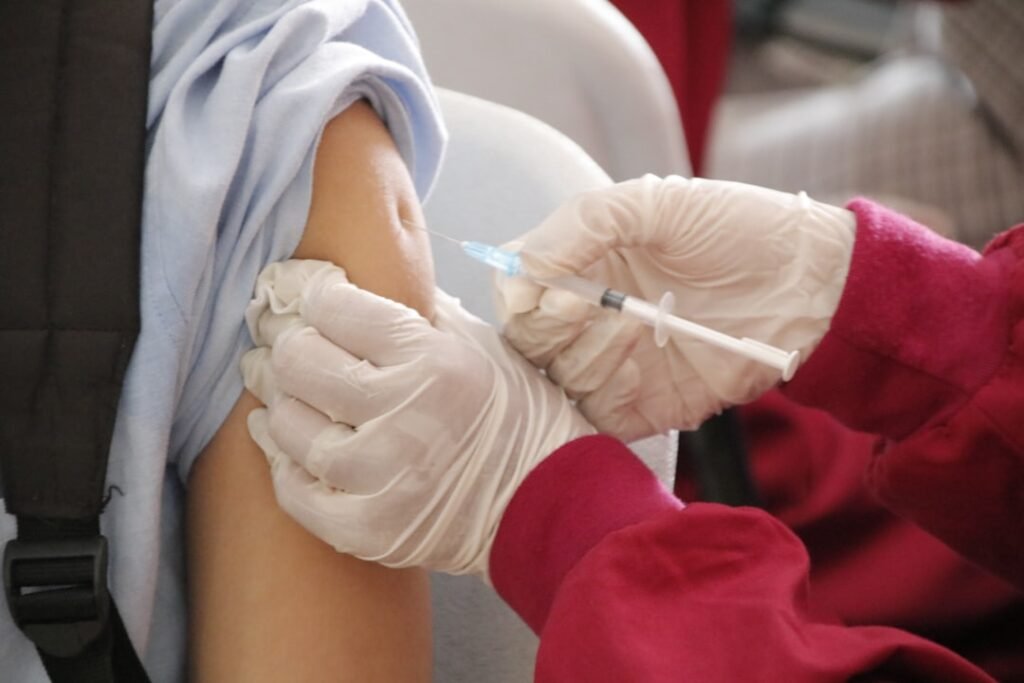
The development of personalized cancer vaccines has emerged as a particularly promising area of oncology research. These vaccines are often tailored to individual patients based on the specific mutations present in their tumors, making them highly targeted interventions. This personalization approach reflects a broader shift in medicine toward precision health, where treatments are designed to match the unique characteristics of each patient's disease.
The pathway from promising clinical trial results to widely available treatment typically involves additional testing phases and regulatory review. Before such a vaccine would become available to patients outside research settings, manufacturers and health regulators would need to confirm safety profiles, establish optimal dosing protocols, and potentially conduct larger trials to verify that results observed in initial studies can be consistently replicated across diverse patient populations.
For patients currently battling cancer or those in remission, these developments underscore the rapid pace of medical innovation in oncology. While this particular vaccine represents one promising avenue among many being explored, the cumulative effect of multiple research breakthroughs in immunotherapy, targeted treatments, and preventive approaches continues to expand the arsenal available to oncologists.
The findings contribute to growing evidence that the immune system, when properly activated and directed, can play a powerful role in preventing cancer progression and recurrence. As research in this area continues, the medical community will work to clarify the long-term potential of these approaches.
Source: BBC News | Published: Thu, 20 Aug 2026 08:10:33
Leave a Reply