

Migrant women across Africa face significant obstacles in obtaining healthcare services despite having legal rights to medical treatment, according to reports documenting challenges in South Africa over the past year. The disconnect between theoretical access and actual care availability has emerged as a critical public health concern affecting vulnerable populations including asylum seekers and undocumented immigrants.
Recent incidents in South Africa have highlighted how migrant women, even those whose legal status entitles them to healthcare, encounter formidable barriers when attempting to receive essential medical services. These obstacles are particularly acute in maternal and child health contexts, where timely access to care can be literally life-or-death for expectant mothers and newborns. The gap between what rights exist on paper and what women experience in practice underscores systemic challenges within healthcare delivery systems across the region.
The barriers migrant women encounter when seeking healthcare are multifaceted. Language difficulties, unfamiliarity with healthcare systems, lack of documentation, discrimination from healthcare workers, and geographic isolation all contribute to reduced access. Additionally, many migrant women lack knowledge about available services or may fear that seeking care will result in deportation or legal consequences, creating psychological barriers that complement structural ones. These interconnected obstacles mean that even when facilities and services theoretically exist, migrant women may not be able to access them effectively.
Maternal and child health services represent particularly critical access points. Prenatal care, safe delivery services, and postnatal support are essential for preventing maternal mortality and ensuring infant survival. When migrant women cannot access these services, both mother and child face heightened health risks. Complications during pregnancy and childbirth that might be manageable with proper medical intervention can become life-threatening in their absence. The impact extends beyond individual cases, affecting entire communities and reflecting broader public health vulnerabilities.
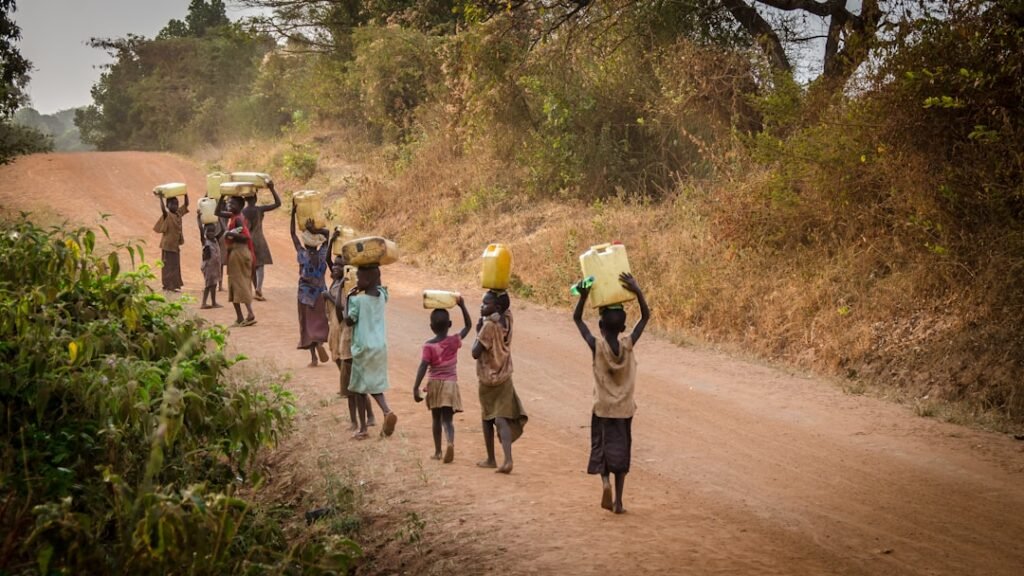
The situation in South Africa reflects challenges that extend across the African continent. Migration patterns have intensified due to economic pressures, political instability, and climate-related factors, increasing the population of vulnerable migrants seeking safety and opportunity. As migration increases, so too does the need for healthcare systems to accommodate and adequately serve diverse populations. However, many African nations struggle to provide comprehensive healthcare to their own citizens, creating additional challenges when serving migrant populations whose rights may be uncertain or contested.
Addressing these disparities requires multifaceted approaches. Healthcare facilities need staff training on serving diverse populations, language interpretation services, and culturally sensitive care protocols. Administrative procedures must be streamlined to accommodate those without full documentation while protecting public health. Public health messaging should reach migrant communities in accessible languages and formats. Additionally, healthcare workers need education about the legal rights of migrants and the ethical obligations of healthcare providers to serve all patients regardless of migration status.
Policymakers face the challenge of balancing legitimate national interests with humanitarian obligations and practical public health realities. Denying healthcare to vulnerable populations ultimately serves no one's interests, as untreated communicable diseases and public health emergencies do not respect migration status. Investment in inclusive healthcare systems benefits entire societies by preventing disease spread and ensuring healthier populations overall.
The experiences of migrant women in South Africa and elsewhere across Africa demonstrate that establishing legal rights to healthcare represents only a first step. True access requires commitment to implementation through adequate resources, trained personnel, and systemic changes that recognize and address the unique circumstances of vulnerable populations. Until migrant women can reliably access the maternal and child health services they are entitled to receive, the gap between legal rights and lived reality will continue to undermine both individual health outcomes and broader public health goals.
Source: AllAfrica News: Africa | Published: Thu, 20 Aug 2026 09:05:27
Leave a Reply