

Agricultural systems across the African continent face mounting pressures from global supply chain disruptions that have exposed fundamental vulnerabilities in farming infrastructure and food security networks. The ongoing instability affecting shipping routes through critical chokepoints like the Strait of Hormuz has already created cascading consequences for millions of farmers throughout Africa, even as international negotiations around regional conflicts continue to falter and restart.
The shipping crisis has rippled through African agriculture in ways that extend far beyond simple logistics delays. Farmers across the continent depend heavily on imported agricultural inputs—including fertilizers, seeds, and equipment—that move through global trade routes. When these passages become contested or unstable, the cost and availability of essential farming resources shift dramatically. African agricultural producers, who often operate with thin profit margins and limited access to capital, find themselves caught between rising input costs and uncertain market conditions. This squeeze threatens not only individual harvest yields but the broader stability of rural economies and food systems that millions of people depend upon for survival.
The Gates Foundation's assessment underscores a critical reality: the damage inflicted on African farming communities may already be largely irreversible for the current growing season, regardless of whether shipping routes normalize in coming months. Farmers who could not secure necessary inputs at critical planting windows have already lost the opportunity to maximize production. Those who did obtain inputs at inflated prices are now burdened with higher production costs that may not translate into proportional increases in revenue when crops reach market.
Beyond the immediate economic hardship, these disruptions reveal deeper structural weaknesses in how African agriculture interfaces with global systems. Many African nations remain heavily dependent on imported agricultural inputs rather than developing domestic production capacity. This reliance creates a precarious situation where external shocks—whether geopolitical conflicts, shipping disruptions, or other crises—can rapidly undermine food production and farmer livelihoods. Building resilience requires substantial investment in local input manufacturing, agricultural research and development, and supply chain diversification.
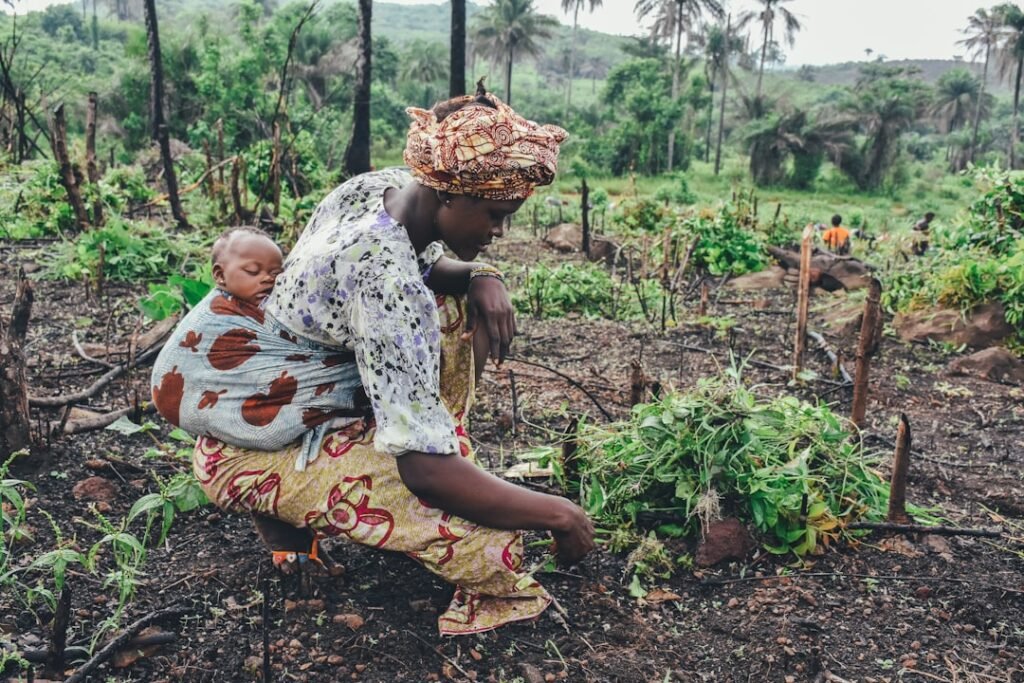
The situation also highlights the interconnected nature of global food security challenges. When international shipping routes become unreliable, wealthy nations with resources can absorb costs and find alternative suppliers. African farmers and consumers, lacking such flexibility, absorb disproportionate impacts. This reality demands that African nations and the international development community treat agricultural resilience not as a charitable concern but as a fundamental priority for continental stability and economic development.
Forward-looking agricultural policy must address both immediate relief and long-term structural transformation. Supporting farmers through current crises requires mechanisms to cushion input cost shocks and ensure they can maintain productivity. Simultaneously, governments and development partners should invest in building African agricultural capacity that is less vulnerable to global disruptions—through strengthening domestic fertilizer production, developing locally adapted seed varieties, and creating more robust regional trade networks.
The window for implementing such systemic changes is narrowing. Each global shock that disrupts agricultural systems creates new vulnerabilities and deeper economic strain on farming communities. Without deliberate efforts to build more resilient agricultural infrastructure, African farmers will remain perpetually exposed to the consequences of distant conflicts and international supply chain instabilities they cannot control or predict.
Source: AllAfrica News: Africa | Published: Thu, 20 Aug 2026 08:44:43
Leave a Reply