
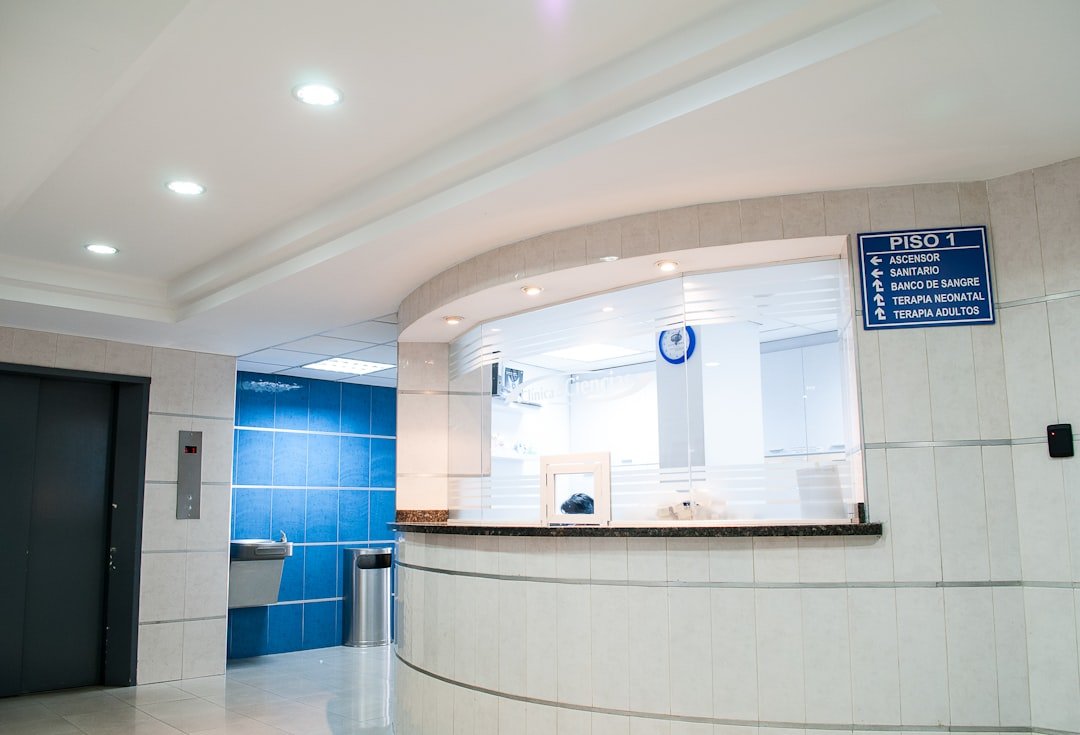
Jamaica's health minister has called for significant legislative and policy reforms to address a persistent challenge that continues to strain the nation's already overburdened public hospital system. Health and Wellness Minister Dr. Christopher Tufton has warned that the government will need to implement comprehensive legal changes to tackle the issue of patients who remain in hospital facilities long after they have been medically cleared for discharge.
The problem Tufton is targeting involves individuals classified as "social cases"—patients who no longer require acute medical care but remain hospitalized due to circumstances outside the clinical realm. These patients occupy beds and consume valuable resources that could otherwise serve acutely ill individuals who are in critical need of immediate medical intervention. The situation represents one of the most vexing operational challenges facing Jamaica's public health infrastructure, where demand consistently exceeds available capacity.
This is not a new concern for the health minister. Tufton has repeatedly brought attention to the growing number of social cases across Jamaica's hospital network over the past several years, underscoring the urgency of the matter. His renewed emphasis on the need for legislative action signals that incremental approaches and administrative adjustments have proven insufficient to resolve the underlying issues driving the problem.
Social cases typically arise when patients lack adequate social support systems, suitable housing arrangements, or family members capable of providing necessary care outside a hospital setting. Some patients may be elderly or disabled individuals with no home to return to, while others face barriers related to poverty or inadequate community resources. Without alternatives in place, hospitals become the default safety net, even when the patient no longer requires medical hospitalization.
The implications of this situation extend beyond individual patient cases. When hospital beds are occupied by patients who do not require acute medical services, the entire system's efficiency declines. Emergency departments cannot discharge patients as readily, admissions may be delayed, and the quality of care for those who do need hospitalization can be compromised. For a nation with resource constraints already limiting what its public health system can accomplish, this bed occupancy issue represents a significant inefficiency.
Tufton's call for legal and policy changes suggests that the solutions will likely need to be multifaceted and potentially touch several areas of governance and service delivery. This could involve establishing alternative care arrangements, creating clearer legal frameworks for hospital discharge protocols, or developing community-based support systems that would serve as viable options for patients who cannot be safely discharged to their homes. The specifics of any proposed reforms have not yet been detailed, but the minister's statement makes clear that cosmetic adjustments will not suffice.
The challenge also points to broader systemic issues within Jamaica's health and social welfare infrastructure. The persistence of social cases in hospitals suggests gaps in the social support network, housing security, and long-term care options available to vulnerable populations. Addressing the hospital bed crisis may ultimately require coordination across multiple government ministries and agencies beyond the health sector alone.
As Jamaica continues to navigate the pressures facing its public health system, the social cases issue exemplifies how medical care exists within a larger ecosystem of social factors. Without sufficient legislative backing and coordinated policy changes, hospitals will likely continue serving as an inadequate substitute for comprehensive social services. Minister Tufton's continued advocacy indicates that resolving this challenge remains a priority for Jamaica's health leadership.
Source: Lead Stories
Leave a Reply