
A severe thunderstorm that swept through Memphis over the weekend left more than 100,000 households without electricity, with some residents facing the possibility of enduring nearly a week without power during oppressive heat. The utility company serving the city, Memphis Light, Gas and Water, reported that as many as 140,000 customers experienced outages following the storm that began Saturday. By Monday, approximately 50,000 residents remained without power, while the utility also issued conservation requests asking residents to minimize water usage as treatment plants worked to recover from the damage.
The cascading effects of the outage extended well beyond homes and businesses. The Memphis-Shelby County School System reported that 34 public schools and five private schools were affected by the power loss. At least 18 schools announced closures through Tuesday as officials assessed conditions and worked to restore service. Meanwhile, conflicting statements about restoration timelines created confusion among residents. While Memphis Mayor Paul Young announced on Sunday that power had been restored for 90 percent of households, reports from media outlets and the utility company on Monday suggested that substantially more customers remained in the dark than the mayor's statement indicated. The utility estimated that full restoration would not occur until Thursday.
The situation in Memphis reflects a broader pattern documented by researchers studying power outages across the country. Communities with high minority populations face outages at significantly higher rates than predominantly white areas, according to recent studies. Neighborhoods with substantial Black populations are roughly four times more likely to experience blackouts compared to white communities. Furthermore, Black households are nearly twice as likely to endure outages lasting 24 consecutive hours or longer than white households.
This vulnerability extends beyond Memphis. In Gary, Indiana, a city that is 76 percent Black, tens of thousands of residents have spent nearly two weeks without electricity. The dangers associated with prolonged power loss in low-income communities have proven fatal. In Rocky Mount, North Carolina, a Black family was discovered dead in their home after losing power stemming from an unpaid utility bill. For economically disadvantaged households, particularly those without backup resources or alternative cooling options, extended outages during hot weather create life-threatening conditions.
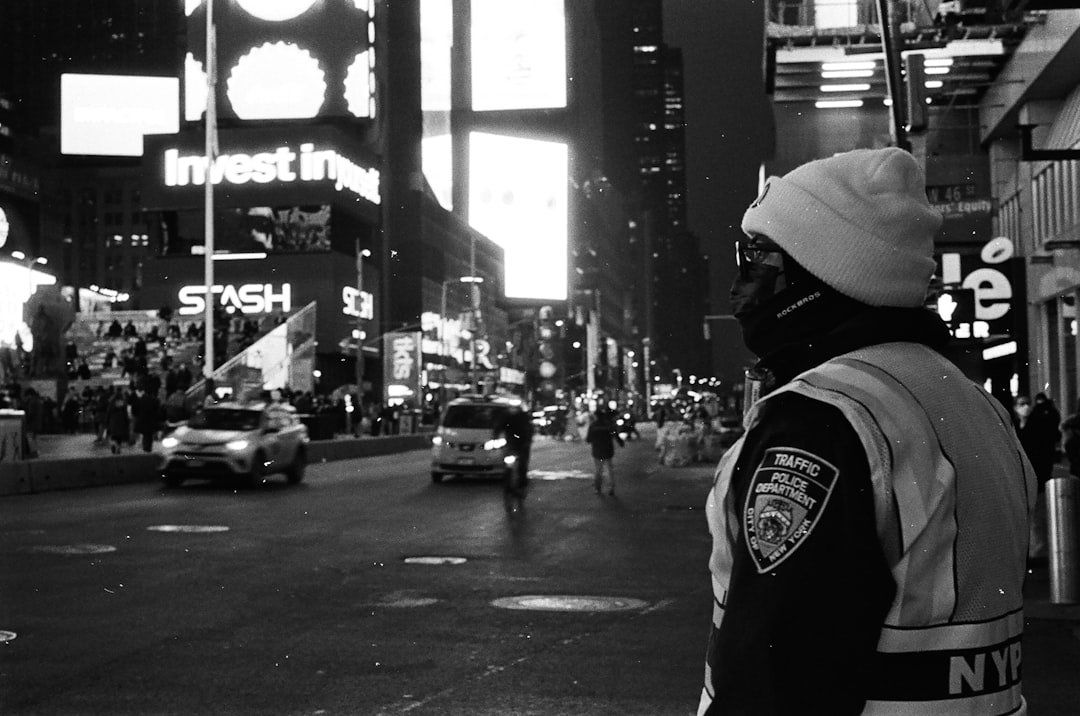
![Storms Leave More Than 100K Memphis Residents Without Power, Forced To Conserve Water, Too [Op-Ed]](https://diajemblacknews.com/wp-content/uploads/2026/08/diajem-3882-1787696770-1024x683.jpg)
Researchers and community advocates attribute the disparities in outage frequency and duration to a combination of factors including aging infrastructure, systemic underinvestment, poverty, and increasing pressure on regional power systems. These vulnerabilities make predominantly Black communities particularly susceptible to service disruptions when severe weather strikes.
The infrastructure challenges facing Memphis have taken on additional urgency as the city attracts attention from technology companies. Billionaire entrepreneur Elon Musk's data center projects have sparked concerns among residents and civil rights organizations about adding further strain to already fragile systems. While companies have promised job creation and economic development, residents and the NAACP have raised alarms about air and water pollution risks, particularly given the existing vulnerability of the city's infrastructure.
As Memphis residents await restoration of power by Thursday, questions persist about long-term solutions. The recurring pattern of disparate impact on Black communities during natural disasters and infrastructure failures suggests that temporary fixes will prove insufficient without fundamental changes to investment and maintenance in these neighborhoods.
Source: NewsOne | Published: Tue, 25 Aug 2026 20:45:19
Leave a Reply