

The economic burden of land degradation across Africa continues to accelerate, with projections suggesting annual costs could reach approximately $1 trillion globally if restoration efforts remain inadequate. This stark warning emerged from remarks made by a senior United Nations official during a significant international gathering focused on land management issues held in Mongolia.
Addressing delegates at the conference, the UN Deputy Secretary-General emphasized a troubling gap between current investment levels in land restoration and the mounting financial consequences of inaction. The disparity underscores a critical policy failure: governments and international bodies are failing to dedicate sufficient resources toward addressing environmental degradation despite overwhelming economic evidence that prevention and restoration prove far less expensive than managing the fallout of continued decline.
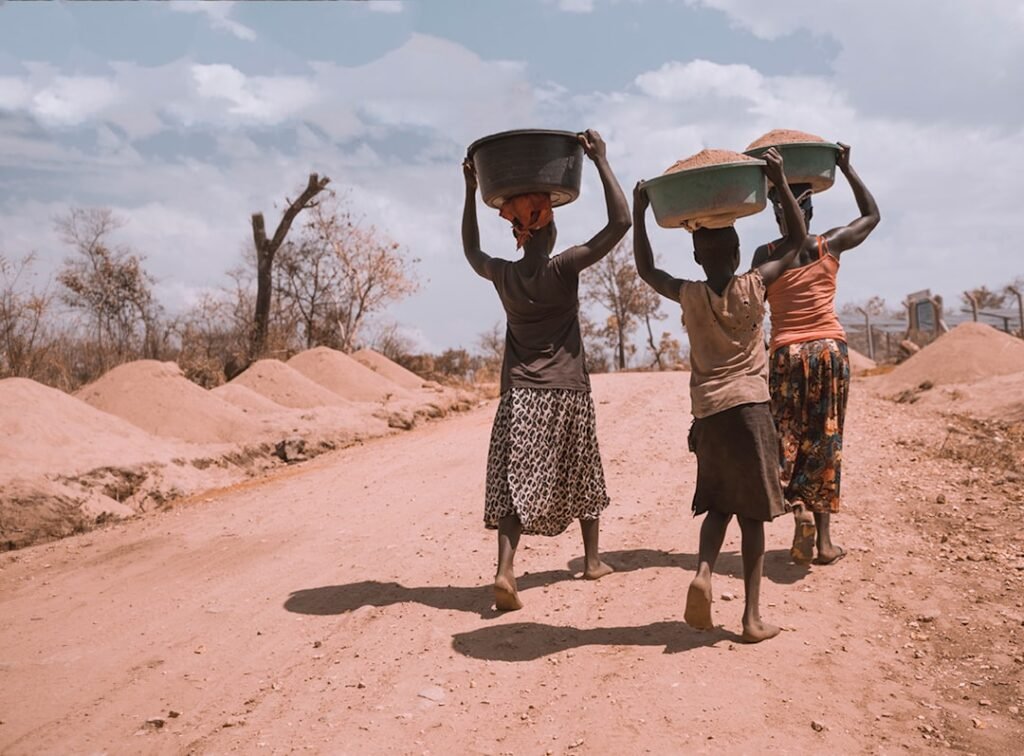
The trajectory of land degradation across the African continent presents particular urgency. Soil erosion, desertification, and the loss of productive capacity affect agricultural systems that millions depend upon for survival and livelihoods. As arable land deteriorates, the cascading effects ripple through food security, economic productivity, and social stability. Communities reliant on agriculture face declining yields, reduced income, and increased vulnerability to climate shocks. The costs manifest not only in lost agricultural output but also in healthcare expenses, migration pressures, and conflict over increasingly scarce resources.
The financial case for investment in restoration appears compelling from a purely economic standpoint. Resources directed toward land rehabilitation, soil conservation, vegetation restoration, and sustainable land management practices represent preventative expenditure that costs substantially less than addressing the consequences of ongoing degradation. When land becomes severely compromised, recovery becomes exponentially more difficult and expensive. Ecosystem services—including water filtration, carbon sequestration, and biodiversity support—become compromised, requiring costly interventions elsewhere to compensate for lost natural functions.
Yet despite this clear economic calculus, international funding mechanisms and national government budgets consistently underprioritize land restoration initiatives. Development priorities frequently focus on immediate infrastructure needs or short-term economic gains rather than long-term environmental stewardship. In nations facing competing demands for limited resources, land management investments often appear discretionary compared to healthcare, education, or emergency response.
The UN conference in Mongolia represented a platform for countries to reassess their commitments to land restoration. Such international forums serve as venues where scientific evidence, policy recommendations, and diplomatic pressure converge to shape national agendas. The Deputy Secretary-General's emphasis on the economic argument suggests a strategic pivot: framing environmental restoration not primarily as an ecological imperative but as a sound financial investment with tangible economic returns.
Implementing effective land restoration at scale requires coordinated action across multiple sectors. Agricultural practices must shift toward sustainability. Infrastructure development must account for long-term environmental impacts. Climate adaptation strategies must integrate land management components. International finance institutions must allocate greater resources toward restoration projects. National governments must establish and enforce land use policies that prevent further degradation.
The warning from the UN's highest-ranking official carries weight precisely because it quantifies what stakeholders already understand intuitively: the status quo is unsustainable. As annual degradation costs climb toward $1 trillion, the economic argument for restoration becomes impossible to ignore, even for governments hesitant to embrace environmental spending.
The challenge now lies in translating this economic reality into concrete policy changes and resource commitments. African nations, alongside the international community, must recognize that investing substantially in land restoration today represents far less costly burden than managing the economic catastrophe of tomorrow. The mathematics are undeniable; implementation remains the obstacle.
Source: AllAfrica News: Africa | Published: Wed, 26 Aug 2026 04:14:45
Leave a Reply