

The emerging regulatory landscape in English football is about to face a significant examination through the case involving Sheffield United, marking a crucial moment for the newly established Independent Football Regulator just as it begins to establish its authority over the sport.
When the Independent Football Regulator was created, observers anticipated that Sheffield Wednesday would become the first substantial test of its enforcement capabilities and decision-making processes. However, developments have shifted attention to Sheffield United, positioning the club at the center of what could become a defining case for the fledgling regulatory body. This shift represents an important juncture in how English football's governance framework will operate in practice, moving beyond theoretical frameworks into real-world application.
The regulator's establishment represented a significant change in how English football is overseen, introducing independent oversight where previously regulatory authority resided primarily within football's own institutional structures. As the regulator takes on its expanded responsibilities, the manner in which it handles high-profile cases involving major clubs will establish precedent and demonstrate the credibility of its enforcement mechanisms. A case involving a club of Sheffield United's stature carries particular weight, as such decisions will signal to the broader football community how the regulator interprets its mandate and applies its authority.
The shift from Sheffield Wednesday to Sheffield United as the potential test case suggests that circumstances within professional football continue to develop rapidly, with regulatory matters emerging from various clubs requiring attention. This fluidity underscores the complexity of overseeing a sport with numerous stakeholders, competing interests, and intricate financial arrangements. The regulator must navigate these challenges while maintaining consistency and fairness in its decision-making approach.
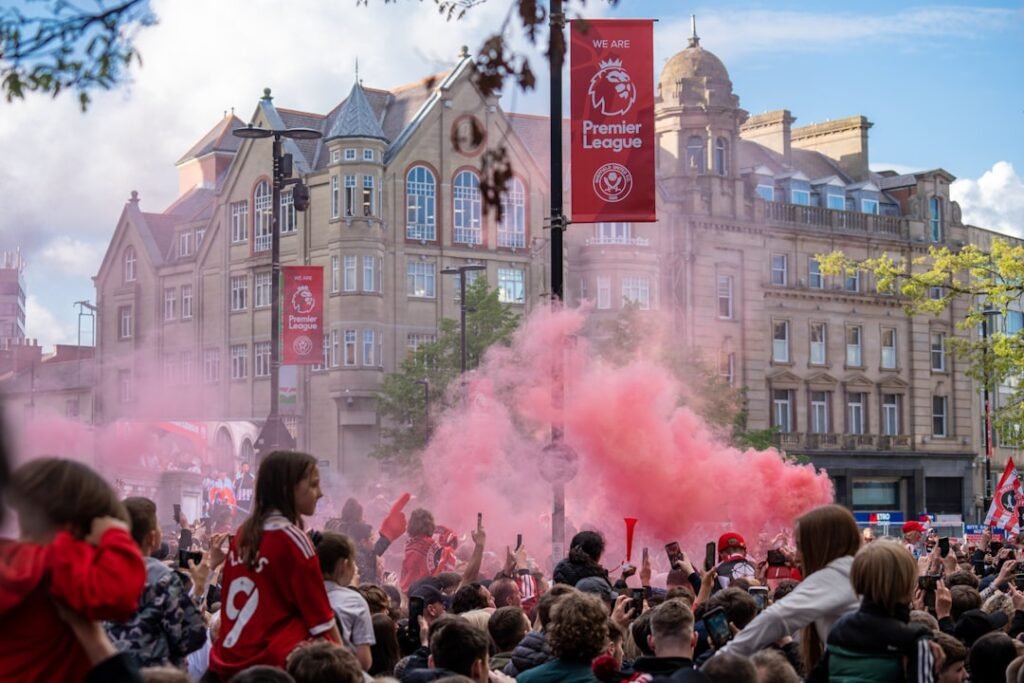
What makes Sheffield United's situation particularly significant is that it provides an opportunity for the Independent Football Regulator to demonstrate its independence and effectiveness. A credible regulatory body must show it can apply consistent standards regardless of a club's historical prominence or current standing within football's hierarchy. The manner in which it adjudicates this matter will influence how other clubs view compliance with regulatory requirements and whether the regulator possesses genuine authority or merely advisory capacity.
The involvement of Sheffield United also occurs within a broader context of English football facing increasing scrutiny regarding financial management, ownership structures, and governance practices. Clubs at various levels have faced questions about their operations and compliance with evolving standards. The regulator's handling of Sheffield United's case will therefore carry implications extending beyond the club itself, potentially affecting how other organizations approach regulatory compliance and what consequences they might face for violations.
For supporters and stakeholders invested in Sheffield United, the case's significance lies in what it reveals about accountability and governance within the sport they follow. For the broader football community, it represents a moment when theoretical regulatory authority becomes actual practice. For the Independent Football Regulator itself, it constitutes an opportunity to establish credibility and demonstrate that it possesses the institutional capacity to make meaningful decisions that shape behavior across professional football.
As the case develops, all parties involved—the club, the regulator, other clubs, and supporters—will be watching carefully to understand how the regulatory framework functions when genuinely tested. The outcome may well establish important precedent for future regulatory matters and shape the trajectory of football governance in England for years to come. The stakes extend well beyond Sheffield United's immediate circumstances to encompassing questions about how football's regulatory environment evolves.
Source: BBC Sport | Published: Thu, 27 Aug 2026 09:59:40
Leave a Reply