

Spain's national team forward Esther Gonzalez has become the focal point of an international conversation about sports, human rights, and professional opportunity after joining Saudi Arabia's Al Qadsiah in the Women's Premier League. The move has sparked considerable criticism from fans and observers who question the decision to play in a country with a documented history of restrictions on LGBTQ+ rights and gender equality.
Gonzalez, an established player for the Spanish national team, signed with the Saudi club in what marks a significant step in her professional career. The transfer represents the kind of high-profile recruitment that Gulf-based sports organizations have pursued in recent years as they invest heavily in developing their domestic leagues. However, the appointment has immediately drawn scrutiny from those concerned about the broader implications of prominent athletes accepting positions in nations with records on human rights and personal freedoms that differ substantially from Western standards.
The backlash reflects ongoing tensions within international sport regarding athlete autonomy, personal values, and employment choices. Gonzalez, as a publicly identified member of the LGBTQ+ community, has become a lightning rod for debates about whether athletes should prioritize professional advancement or take stands on principle regarding the countries where they work. Critics have voiced concerns about the message such moves send regarding acceptance of diverse environments and values, while others argue that athletes have the right to pursue career opportunities without facing judgment for their personal choices.
The response highlights how professional sports continues to grapple with questions of moral consistency and corporate responsibility. As wealthy Middle Eastern nations have increasingly invested in acquiring talent and building sporting infrastructure, discussions about working conditions, representation, and values have intensified. Some observers point out that athletes from numerous countries and backgrounds regularly accept positions in nations with varying human rights records, yet the presence of a prominent gay player in Saudi Arabia has generated particular intensity of debate.
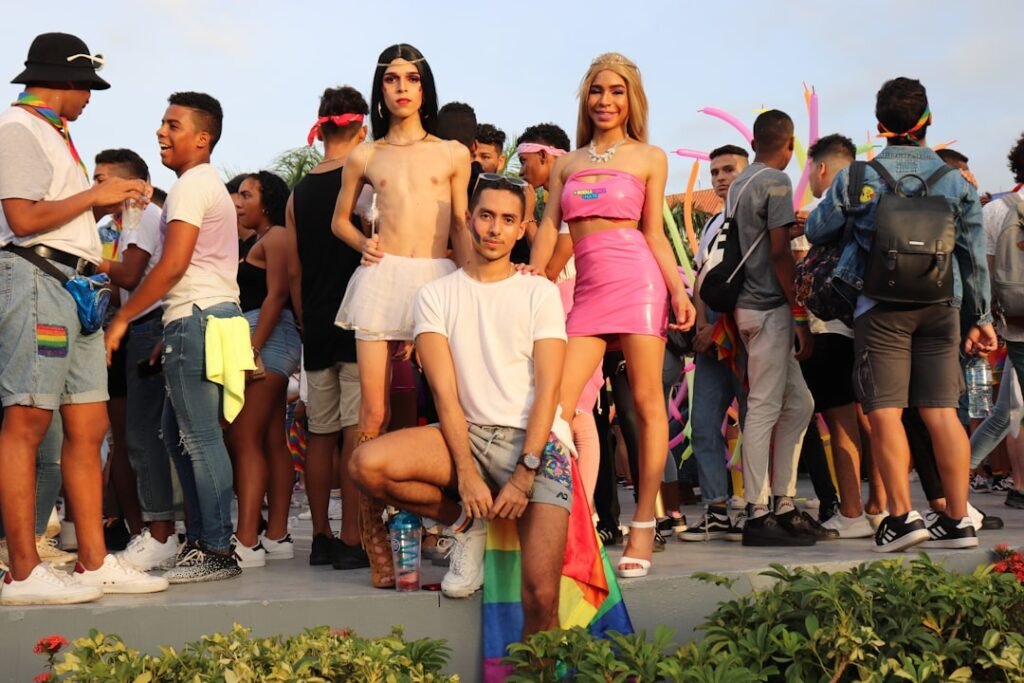
The situation also underscores the growing visibility of LGBTQ+ athletes in professional sports and the added complexities they navigate in their careers. While progress has been made in many Western nations toward greater acceptance and inclusion, significant portions of the world maintain legal restrictions or strong cultural opposition to LGBTQ+ identities and relationships. Professional athletes occupying this space must contend not only with standard employment considerations but also questions about representation and advocacy.
Al Qadsiah's pursuit of Gonzalez demonstrates how Saudi Arabia's sports ambitions have expanded considerably in recent years. The country has made substantial investments in developing women's football, recognizing both the sport's global appeal and its potential for demonstrating modernization efforts. Yet these investments exist alongside the nation's well-documented restrictions on LGBTQ+ expression and women's autonomy, creating a fundamental contradiction that observers have highlighted.
Gonzalez's decision ultimately reflects the complex choices that modern athletes must make. Professional soccer offers limited years of peak earning potential, and major contracts with well-funded clubs represent significant financial security. For many players, such opportunities may outweigh other considerations, though the calculus becomes more complicated when personal identity intersects with employment location.
The controversy surrounding Gonzalez's move to Al Qadsiah will likely persist as a focal point for broader discussions about athlete activism, personal freedom, and the role of sports in promoting or questioning international norms. As professional athletics continues expanding into new markets, these tensions between opportunity and values will undoubtedly continue surfacing for other players facing similar decisions.
Source: BBC Sport | Published: Thu, 27 Aug 2026 08:52:41
Leave a Reply