
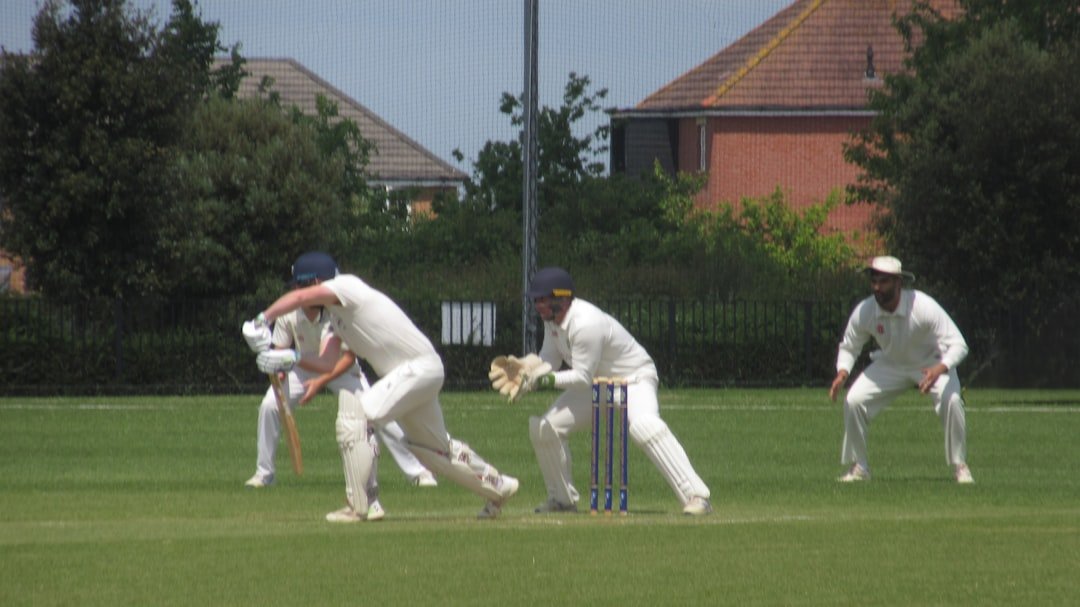
A moment of extraordinary athleticism overshadowed England's solid first-day performance in the second Test match against Pakistan at Lord's Cricket Ground, as Jordan Cox's promising innings came to an abrupt end through a catch that will be replayed in highlight reels for seasons to come.
Cox, who had built a respectable knock of 55 runs, fell victim to a diving catch executed by Pakistan's substitute fielder Salman Ali Agha at the slip position. The spectacular nature of the dismissal—one that required Agha to launch himself horizontally to pluck the ball out of the air—provided a stunning turning point in what had been a relatively comfortable passage for the England batsman up to that moment. The dismissal left England's innings precariously positioned at 187 for six wickets, a development that shifted the momentum markedly in Pakistan's favor as the hosts worked to establish a dominant position on the opening day.
Cox had been moving through his innings with relative confidence before the dramatic intervention changed the complexion of the day's play. The 24-year-old batsman had shown the sort of technique and temperament required to build substantial innings in Test cricket, accumulating his runs steadily against Pakistan's bowling attack. His dismissal at what appeared to be a moment of growing ascendancy underscored the precarious nature of cricket, where even a batsman in command can be undone by a single piece of exceptional fielding.
The catch itself represented the kind of moment that defines individual performances in cricket. Agha, brought into the field as a replacement for another player, seized the opportunity to make an immediate impact on the match. The nature of the dismissal—requiring not just skill but also athleticism and quick reflexes—meant that Pakistan's fielding unit had managed to apply significant pressure on England's batting lineup at a critical juncture.
England's position at 187 for six reflected the broader narrative of the day's cricket. While the hosts had shown some ability to accumulate runs, the loss of wickets at regular intervals suggested that Pakistan's bowling had posed sufficient difficulties to prevent the establishment of a commanding platform. The departure of Cox, coming when it did, raised questions about England's capacity to build a substantial first-innings total.
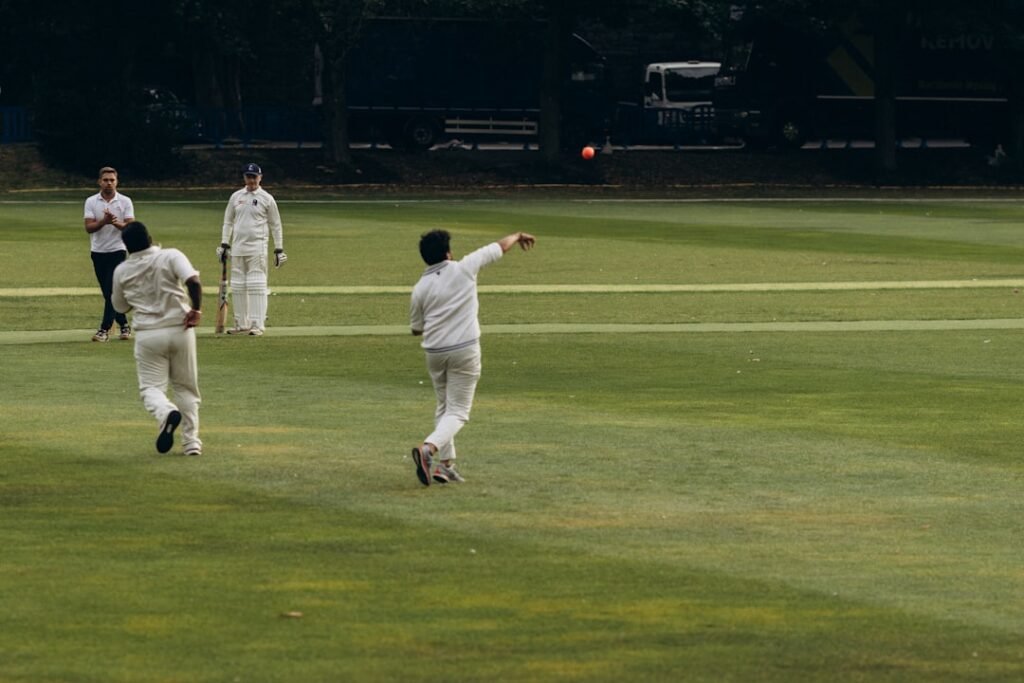
Test cricket at Lord's carries particular significance in the English sporting calendar, and the second match of a series often determines crucial momentum heading into the remaining fixtures. Pakistan's success in removing Cox through such a striking mode of dismissal provided them with both tangible advantage in terms of England's weakened batting position and psychological benefit from the demonstration of their fielding prowess.
The context of the match also mattered significantly. Coming in the second Test, both teams would have been seeking to establish dominance early, knowing that the outcome would carry weight in the broader series narrative. England's failure to consolidate their innings through Cox and other batsmen placed them on the back foot heading into the remainder of the first day's play.
Agha's intervention served as a reminder that cricket remains a game where individual moments of brilliance can swing the balance between teams. The catch represented the sort of turning point that can influence not just the immediate session of play but potentially the trajectory of the entire match.
As England continued their innings following Cox's dismissal, the hosts faced the challenge of rebuilding their first-innings total and attempting to neutralize the psychological boost that Pakistan had gained from such a dramatic moment in the field.
Source: BBC Sport | Published: Thu, 27 Aug 2026 16:53:23
Leave a Reply