
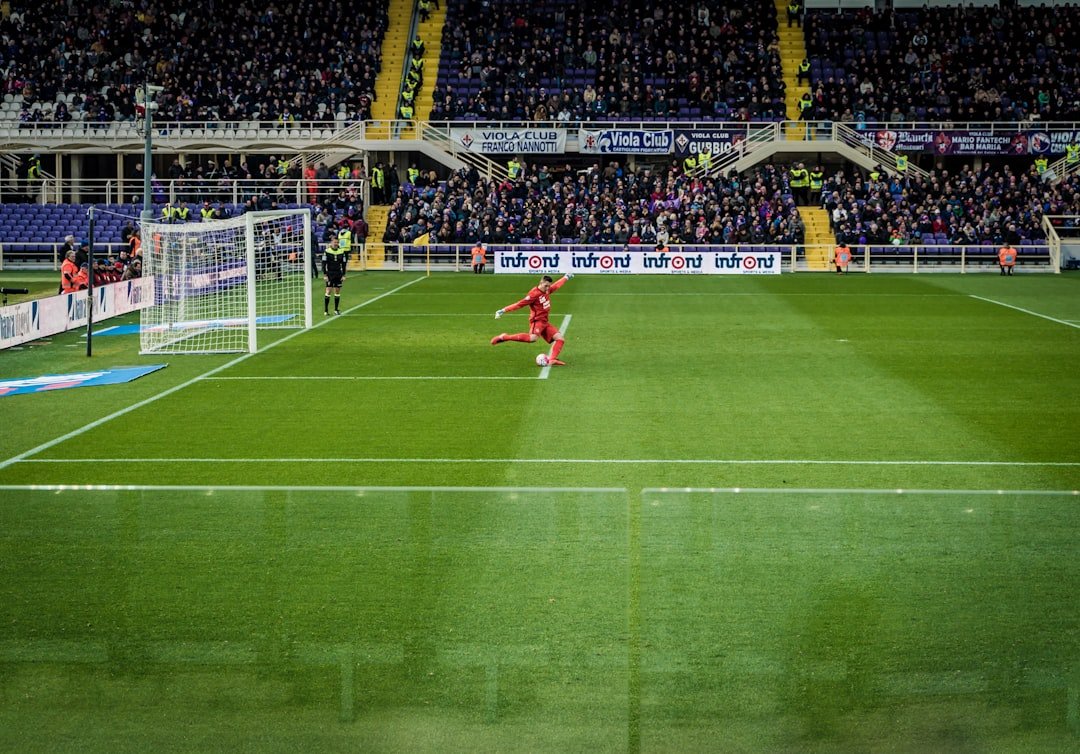
The Scottish Football Association has mandated that Celtic and Rangers will conduct their upcoming Scottish Cup home matches without spectators in attendance, a disciplinary measure stemming from disruptive fan behavior that occurred during the previous season.
The decision reflects escalating concerns within Scottish football regarding crowd control and supporter conduct during matches between the two Glasgow rivals. Both clubs face significant operational and financial implications as they prepare for their next Cup competitions, with empty stadiums replacing the typically vibrant atmospheres that characterize fixtures involving the storied institutions.
Scottish football has long grappled with managing tensions between Celtic and Rangers supporters, whose passionate fan bases have occasionally crossed lines into problematic conduct. The SFA's enforcement of behind-closed-doors matches represents a direct response to specific incidents that transpired last season, demonstrating the governing body's commitment to maintaining order and upholding standards of fan behavior across the sport.
For Celtic, playing home Cup matches without supporters presents logistical challenges beyond the obvious revenue impact. The club's distinctive stadium atmosphere has historically played a role in team performance, with supporter energy contributing to the overall match experience. Similarly, Rangers faces comparable disruptions to their home-field advantages, as the absence of fans alters team dynamics and eliminates customary crowd support during critical Cup encounters.
The financial ramifications for both clubs extend beyond ticket sales. Match-day operations typically generate substantial revenue through concessions, parking, and ancillary services. The behind-closed-doors requirement effectively eliminates these income streams during the affected fixtures, placing additional pressure on clubs already navigating complex financial landscapes in professional sports.
The SFA's enforcement action also sends a broader message to supporters across Scottish football. By imposing consequences on institutions as prominent as Celtic and Rangers, the association underscores its determination to establish accountability for fan misconduct regardless of a club's stature or historical significance within the sport. This approach aims to deter future instances of disorder by demonstrating tangible consequences for supporter behavior.
Both clubs have expressed their positions regarding the disciplinary measures, though the SFA's ruling stands as binding. The enforcement reflects the organization's authority in regulating not only on-field conduct but also supporter behavior and stadium atmosphere. Past seasons have illustrated that even elite-level institutions must comply with governance standards designed to protect the integrity of Scottish football and ensure safe environments for all participants and attendees.
The decision also raises questions about club responsibility in managing supporter conduct. While individual fans bear responsibility for their actions, clubs themselves face scrutiny regarding their security protocols, stewarding effectiveness, and fan education initiatives. The behind-closed-doors requirement may prompt both Celtic and Rangers to reassess their approaches to supporter management and engagement strategies moving forward.
The upcoming Cup matches will unfold in stark contrast to typical Old Firm atmosphere, with media coverage, broadcast audiences, and participating players experiencing fundamentally altered conditions. Television audiences will witness the matches in professional settings largely devoid of the spontaneous energy that characterizes normal Scottish Cup competition.
These sanctions represent pivotal moments in the ongoing effort to balance passionate sports fandom with responsible conduct expectations. As Celtic and Rangers prepare for their Cup matches behind closed doors, the broader Scottish football community watches closely to see whether the disciplinary measures achieve their intended effect in preventing future fan disorder while maintaining the sport's competitive integrity and appeal.
Source: BBC Sport | Published: Fri, 28 Aug 2026 13:14:17
Leave a Reply