

Celtic Football Club and Rangers Football Club have been handed substantial disciplinary sanctions by Scottish football authorities, requiring both Glasgow giants to conduct their upcoming home Scottish Cup matches without spectators present.
The ruling stems from instances of fan misconduct that occurred during the previous competitive season. Rather than impose financial penalties alone, governing officials determined that restricting attendance at upcoming Scottish Cup fixtures represented an appropriate response to the behavioral incidents. The behind-closed-doors requirement applies specifically to each club's next home match in the Scottish Cup competition, meaning supporters will be unable to attend those particular contests.
For two of Scotland's most storied and successful football institutions, the sanction carries significant implications beyond the immediate sporting context. Celtic and Rangers command among the largest and most passionate fan bases in British football, with their matches traditionally drawing substantial crowds. The Celtic-Rangers rivalry, commonly known as the Old Firm Derby, represents one of European football's most intense club competitions, characterized by deeply engaged supporter bases. Attendance restrictions directly impact the atmosphere that typically defines matches between these institutions, fundamentally altering the match-day experience for both clubs and their supporters.
The financial consequences of behind-closed-doors matches extend beyond mere revenue considerations. Clubs depend on matchday income from ticket sales to support operational expenses, including player wages, facility maintenance, and administrative costs. For organizations like Celtic and Rangers, which operate at the highest levels of professional football, such revenue interruptions can create temporary budgetary pressures, even if not catastrophic to annual financial performance.
The incidents motivating these sanctions underscore broader concerns within Scottish football regarding spectator conduct and safety at professional matches. Football authorities across Europe and beyond have increasingly focused on preventing disruptive behavior at stadiums, implementing various disciplinary measures to discourage misconduct and protect the integrity of competition. Scottish football's governing bodies have similarly sought to maintain standards of conduct among supporters, recognizing that preserving positive matchday environments remains essential to the sport's health.
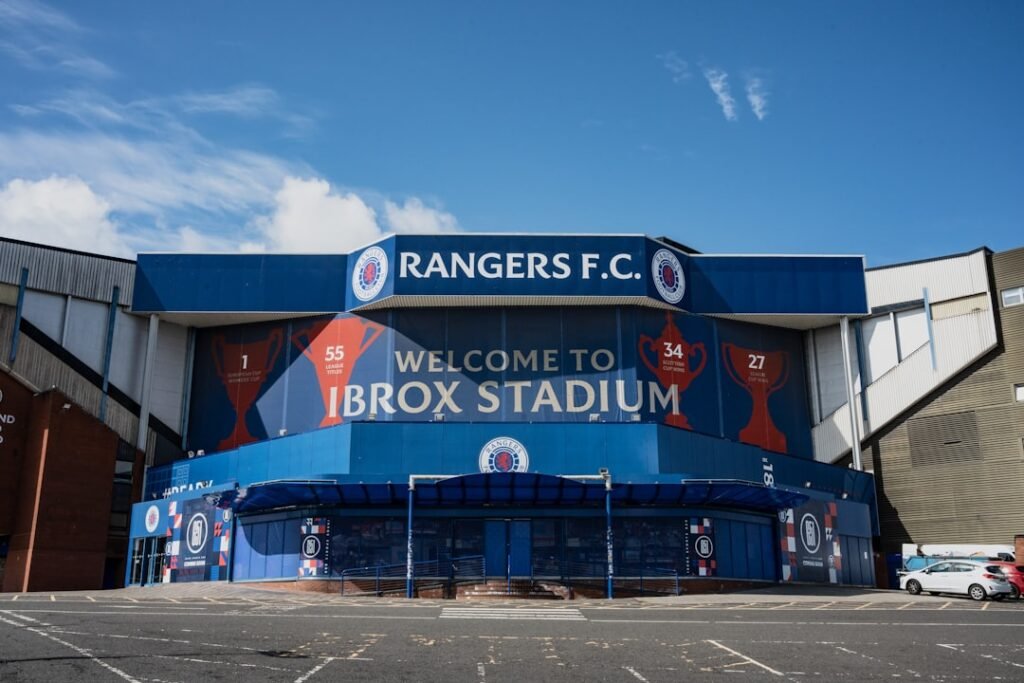
These particular sanctions represent proportionate responses designed to influence behavioral change without imposing excessive hardship on the clubs themselves. By restricting attendance rather than implementing hefty financial penalties, authorities have signaled that fan conduct remains a priority concern while allowing clubs to continue competitive participation. The approach reflects an understanding that fan misconduct should trigger consequences meaningful enough to discourage future incidents without undermining the competitive balance of ongoing tournaments.
For Celtic and Rangers supporters planning to attend upcoming Scottish Cup matches, the restrictions necessitate adjusted expectations and alternative arrangements. Fans who might have anticipated attending these fixtures must now seek other ways to follow their teams, whether through broadcast viewing or following match updates through other media channels. Such restrictions can prove particularly frustrating for loyal supporters who have maintained season-ticket memberships or regular attendance records.
Looking forward, both clubs will likely intensify educational and behavioral management efforts directed toward their supporters. Enhanced communication regarding conduct expectations, increased steward presence, and other preventative measures may accompany the sanctions as clubs work to prevent future disciplinary action. The underlying goal remains encouraging a positive match-day culture while maintaining competitive enthusiasm.
The sanctions serve as reminders that even the most prominent and successful organizations within professional football remain subject to the same regulatory standards governing conduct and behavior. As Scottish football continues developing strategies to address supporter misconduct, cases involving major clubs like Celtic and Rangers contribute to evolving standards across the sport's governance structure.
Source: BBC Sport | Published: Fri, 28 Aug 2026 13:14:17
Leave a Reply