

St. Elizabeth, one of Jamaica's most agriculturally significant parishes, is experiencing a dramatic reversal in farm theft incidents, signaling a potential turning point in the long-standing battle against agricultural crime in the region. According to local law enforcement leadership, reported cases of praedial larceny have declined substantially this year, offering encouragement to farming communities that have historically struggled with losses to organized theft operations.
Superintendent Colridge Minto, who commands police operations across St. Elizabeth, attributes the sharp decrease to intensified enforcement efforts by the Agricultural Protection Branch, a specialized unit designed specifically to combat farming-related criminal activity. The superintendent indicated that targeted operations launched by the branch have successfully disrupted networks of individuals engaged in stealing crops and livestock from agricultural producers throughout the parish.
The statistical improvement is striking. Through July of the current year, the parish recorded only five reported incidents of farm theft compared to twenty-one cases during the same seven-month period in the previous year. This represents a 76 percent reduction in reported praedial larceny, a meaningful achievement for a region that earns the nickname "Breadbasket Parish" due to its prominence in Jamaica's agricultural output and food production systems.
The Agricultural Protection Branch's success reflects a broader recognition within Jamaica's law enforcement apparatus that farming communities require specialized attention and protection strategies. Unlike conventional theft investigations, agricultural crime often involves organized groups targeting rural areas, requiring police units with specific training and expertise in both farming practices and criminal networks operating in rural regions. By deploying officers with this specialized knowledge, the branch has apparently been able to identify patterns, track repeat offenders, and coordinate more effective interventions than traditional policing approaches might achieve.
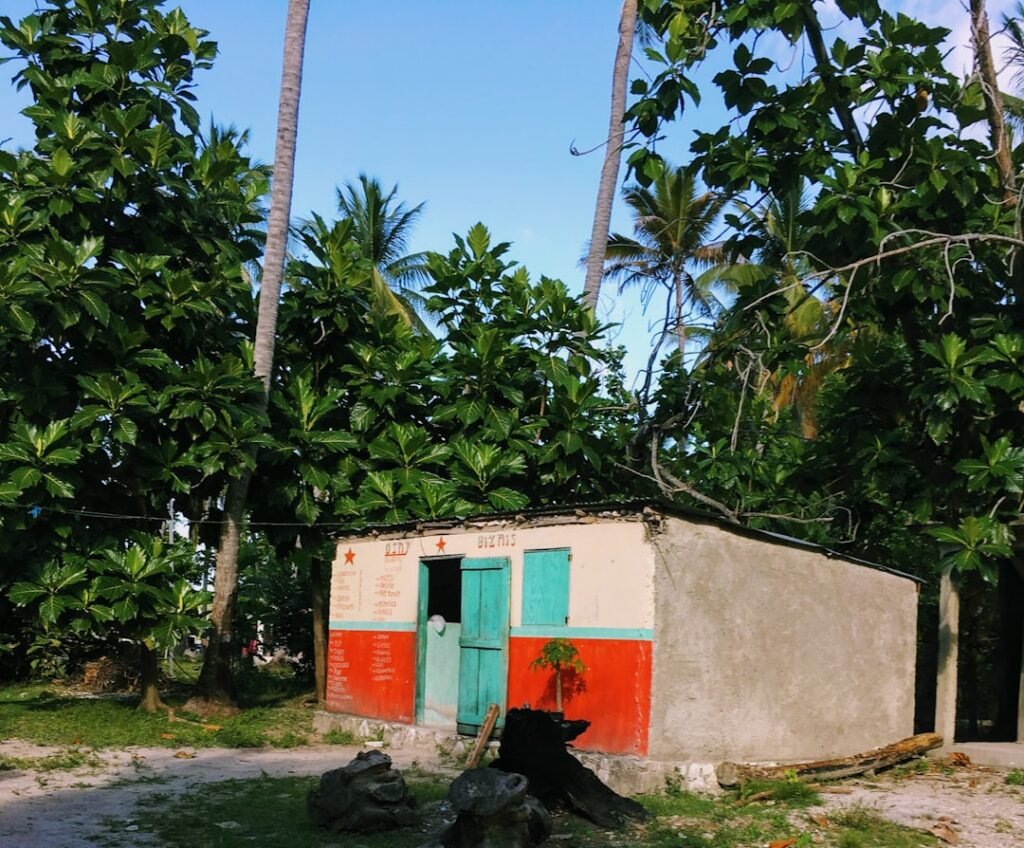
St. Elizabeth's vulnerability to agricultural theft stems from multiple factors. The parish's extensive farmland and diverse crop production make it an attractive target for organized theft rings that distribute stolen produce and livestock through informal markets or for resale at significantly reduced prices. The rural geography and dispersed nature of farm operations have historically made enforcement challenging, as farmers operating in remote areas may not have immediate access to police response or surveillance capability. Additionally, the economic pressures facing some communities have sometimes created environments where criminal activity related to food theft finds tacit tolerance or limited community reporting.
The decline in reported incidents should provide some relief to farmers in St. Elizabeth, who have invested significantly in protecting their operations and livelihoods against recurring losses. Successful intervention against agricultural crime supports food security objectives for Jamaica more broadly, as protecting local agricultural production helps maintain domestic food supplies and reduces dependence on imports.
Minto's announcement highlights the potential for specialized, focused policing strategies to address specific crime challenges within particular regions. The results achieved by the Agricultural Protection Branch over the first seven months of the year suggest that dedicated resources, targeted intelligence, and specialized training can produce measurable improvements in public safety within agricultural communities. Whether this downward trend can be sustained over longer periods and replicated in other parishes facing similar agricultural crime challenges will likely influence future policing priorities across Jamaica's farming regions.
Source: Lead Stories | Published: Fri, 28 Aug 2026 05:07:03
Leave a Reply