
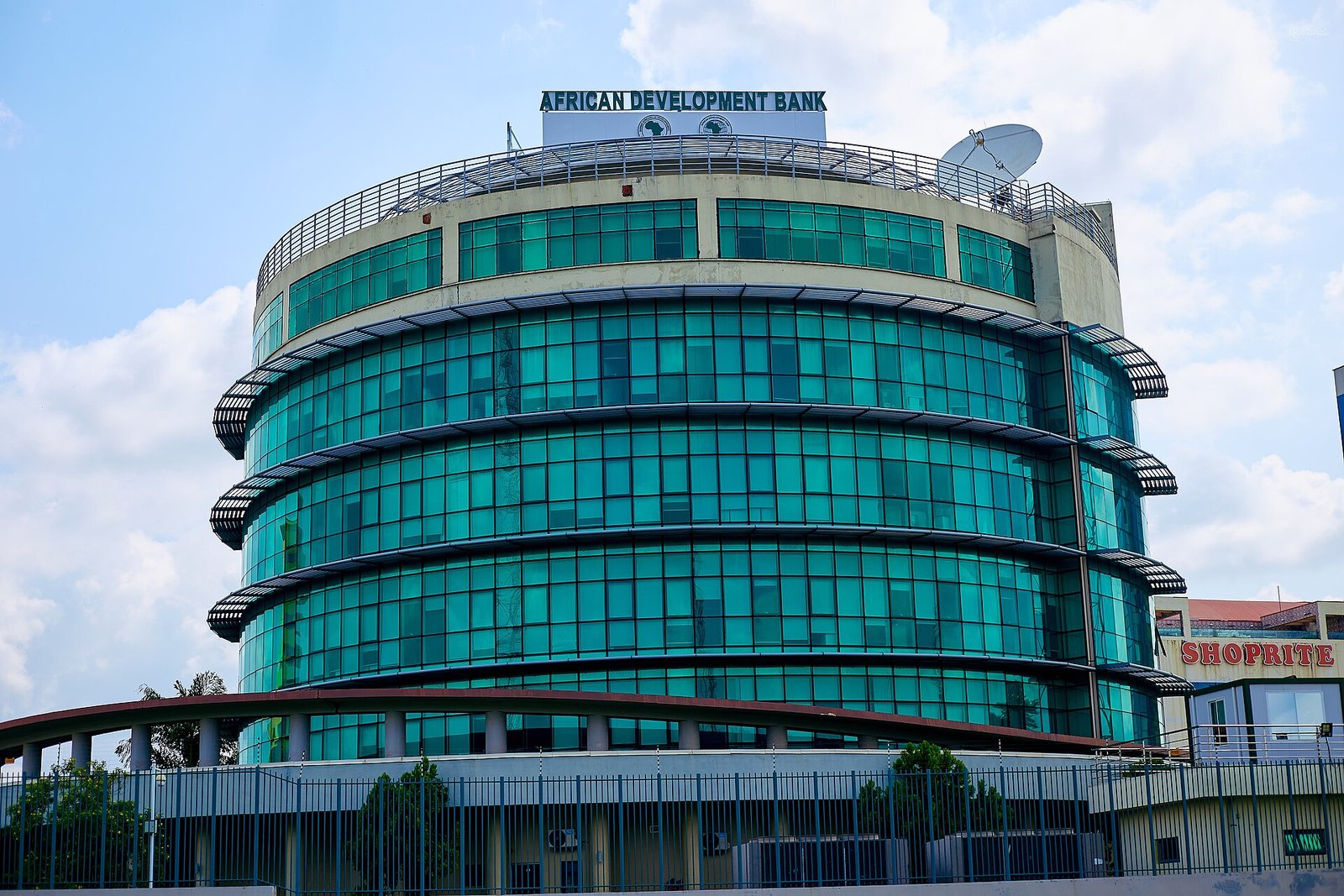
Photo: Bourenane Chahine / Wikimedia Commons, CC BY 4.0
The African Development Bank Group and Exim Bank Tanzania Limited have signed a $10 million trade finance guarantee intended to expand access to cross-border business deals for Tanzanian companies.
How the facility works
The agreement, signed on 28 September in Dar es Salaam and announced on 6 October, provides a transaction guarantee rather than a conventional cash loan. The African Development Bank can cover up to 100% of non-payment risk faced by banks confirming letters of credit and similar instruments issued by Exim Bank Tanzania.
DGBN has also reported on High travel costs threaten Africa’s business tourism ambitions.
That risk cover is meant to make international and regional banks more willing to confirm trade transactions arranged by Exim. In turn, it should widen the bank’s ability to support Tanzanian small and medium-sized enterprises and larger local companies involved in imports and trade across Africa.
The Bank says the guarantee will help businesses access trade finance for transactions that might otherwise be constrained by risk concerns or demands for foreign-currency collateral.
A route into regional markets
The arrangement is tied to efforts to deepen intra-African commerce under the African Continental Free Trade Area. Tanzania’s businesses could use stronger trade-finance backing to purchase inputs and equipment, while exporters gain greater capacity to serve regional and international buyers.
For more context, read DGBN’s coverage of Egypt and BADEA explore wider investment drive across Africa.
In a statement, African Development Bank Tanzania country manager Mary Monyau said the facility aligned with the lender’s agenda to mobilise capital, expand financing for smaller businesses and strengthen regional integration.
Exim Bank Tanzania chief financial officer Shani Kinswaga said the agreement would add risk capacity for the bank’s trade-finance operations while helping customers pursue viable opportunities under disciplined credit standards.
Why it matters
For Black-owned and locally rooted enterprises, access to reliable trade finance often determines whether a business can fulfil an order, import essential supplies or enter a new market. The cost of this finance—and the difficulty of securing it—can shut smaller African firms out of supply chains dominated by larger companies with established banking relationships.
The African Development Bank previously said the $10 million facility could support as much as $60 million in trade over three years. Its 2025 approval announcement identified agriculture, health, energy and manufacturing as potential beneficiary sectors, including imports such as fertiliser, medicines and farm equipment, alongside exports including coffee, cashew nuts and cotton.
Related DGBN reporting includes Tanzania Removes Special Visa Clearance Requirement for Nigerian Travellers.
The deal also supports the Bank’s Tanzania Country Strategy Paper for 2026-2031, which places private-sector conditions and job creation at the centre of its priorities. The ultimate measure of success, however, will be whether local firms can translate the guarantee into affordable credit, completed transactions and durable jobs.