
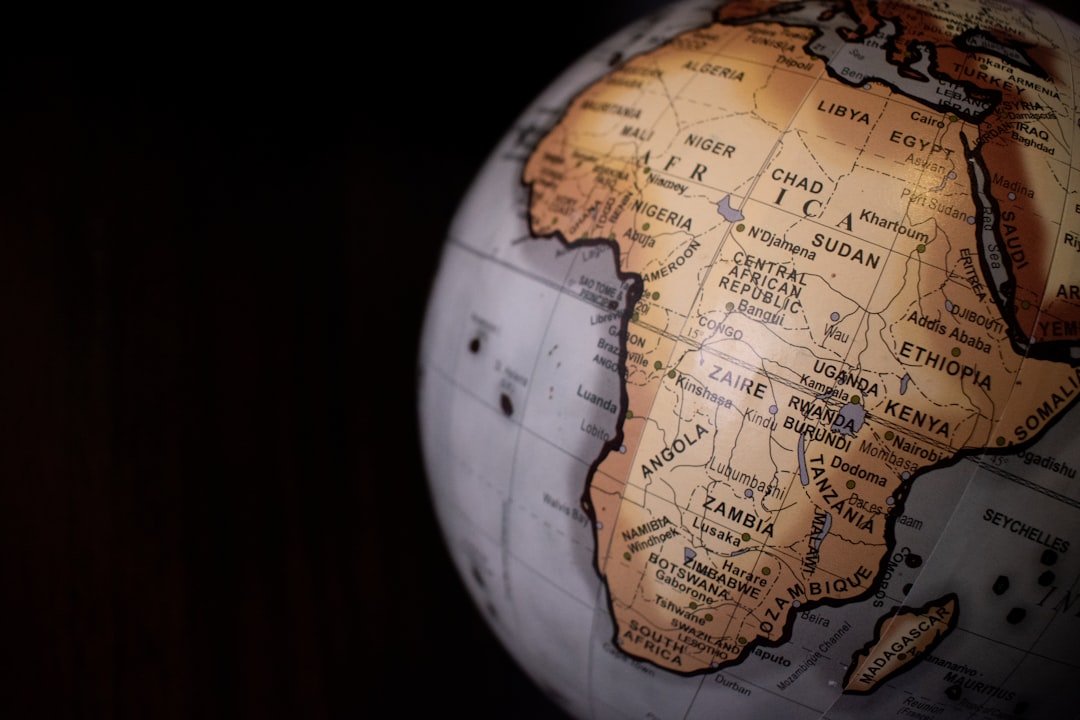
Across the African continent, the intersection of armed conflict and food insecurity is creating a humanitarian catastrophe of unprecedented proportions. As wars intensify and spread throughout multiple regions, the global food system that billions depend upon is showing dangerous signs of collapse, threatening to push millions more into hunger and displacement.
The human cost of this crisis is measured in individual tragedies that collectively paint a portrait of desperation. In Somalia, a family made the agonizing decision to leave behind their livelihood when armed groups arrived and began extracting payments as the price of survival. Rather than submit to extortion that would have consumed their meager resources, they chose to walk away from everything they knew. Their journey toward a displacement camp covering approximately 100 kilometers came at an unbearable price: the loss of one of their four children. This family's experience is not an isolated incident but rather emblematic of a pattern repeating across conflict zones throughout Africa.
The mechanisms by which armed conflict destroys agricultural systems are multifaceted and devastating. Beyond the direct violence that displaces farmers from their land, armed groups employ economic coercion to extract resources from rural populations. By targeting agricultural communities with demands for payments or protection rackets, these groups systematically dismantle the productive capacity of farming regions. Farmers facing such threats must make impossible choices between surrender, resistance, or abandonment. Many choose the latter, joining the growing ranks of internally displaced persons who have lost access to productive assets and employment.
The ripple effects of agricultural collapse extend far beyond individual farms. When farming regions cease production due to conflict, the impact cascades through regional and global food markets. Supply chains become unreliable, prices fluctuate unpredictably, and vulnerable populations increasingly struggle to afford basic nutrition. This destabilization of the food system creates secondary crises that compound the initial trauma of displacement and violence. Communities that were previously self-sufficient through subsistence and small-scale commercial agriculture suddenly depend entirely on humanitarian assistance, straining the capacity of aid organizations already stretched thin across multiple crisis zones.

The displacement camps becoming destinations for fleeing populations represent both a lifeline and a profound indicator of systemic failure. While camps provide some access to humanitarian assistance and basic services, they also represent the loss of dignity, autonomy, and hope that comes with losing one's home and livelihood. Families confined to camps face uncertain futures, with limited prospects for economic recovery or return to productive life. Children growing up in displacement represent an entire generation whose potential remains constrained by circumstances beyond their control.
The broader implications for continental and global food security are substantial. As agricultural zones experience ongoing conflict and insecurity, overall production capacity declines precisely when population growth and climate pressures create increasing demand. This mismatch between declining supply and rising need threatens food access not only for Africans but for populations worldwide dependent on African agricultural exports.
Addressing this crisis requires simultaneous action on multiple fronts: resolution of underlying conflicts, protection of agricultural communities, restoration of farming infrastructure, and strengthening of humanitarian response. Without intervention, the unraveling of Africa's food systems will continue to claim lives and displace populations, creating generational trauma that will persist long after conflicts formally end.
Source: AllAfrica News: Africa | Published: Wed, 26 Aug 2026 04:15:39
Leave a Reply