
Photo: Nicola Mawson / Wikimedia Commons, CC BY-SA 4.0
Africa’s finance landscape is being redrawn as governments and lenders seek to keep more value on the continent and build influence beyond traditional power centres.
New centres of banking strength
Kenya and Egypt each placed four banks in Forbes’ inaugural World’s Top Performing Banks ranking, ahead of Nigeria’s two and South Africa’s one. The assessment, produced with Statista, measured profitability, growth and earnings quality, capital and funding resilience, and asset quality and efficiency.
DGBN has also reported on Airtel Money Sets £5.3bn London IPO Valuation, Below Earlier $9bn Target.
Original source: Original source.
The result does not mean Kenya’s and Egypt’s banking sectors are larger than those of Nigeria or South Africa. It does, however, underline that scale is no longer the only marker of financial strength. Performance, capital discipline and operating efficiency are becoming more important in judging which African lenders can compete internationally.
For Black communities across the continent and diaspora investors, this matters because stronger regional banks can widen access to trade finance, business credit and cross-border services without relying as heavily on institutions headquartered outside Africa.
Gold value chain moves closer to home
Gold-producing states are also trying to retain more of the wealth created from African resources. Burkina Faso this week inaugurated its first refinery in Ouagadougou, while Ghana, the Democratic Republic of Congo and other producers are advancing local processing plans.
The policy goal is bigger than bullion: refining at home can support jobs in assaying, logistics, trading and financial services, while giving governments clearer oversight of exports, royalties and foreign-exchange earnings.

For more context, read DGBN’s coverage of Absa launches Africa’s first bank-led digital asset custody service.
But refinery capacity alone will not guarantee prosperity. Facilities need dependable power, skilled workers, legitimate gold supply and internationally accepted certification to compete with established global centres. The opportunity is substantial, yet success depends on whether countries can build the wider industrial and regulatory systems around the refineries.
Banks extend across borders and into digital assets
Morocco’s Attijariwafa Bank has agreed to buy a 55.22% stake in Société Générale Ghana, subject to regulatory and stock-market approvals. Ghana’s Social Security and National Insurance Trust is set to acquire an additional 5% stake.
The proposed deal reflects a wider shift in which African banking groups are expanding across language blocs and regions as some European lenders retreat or reshape their African operations.
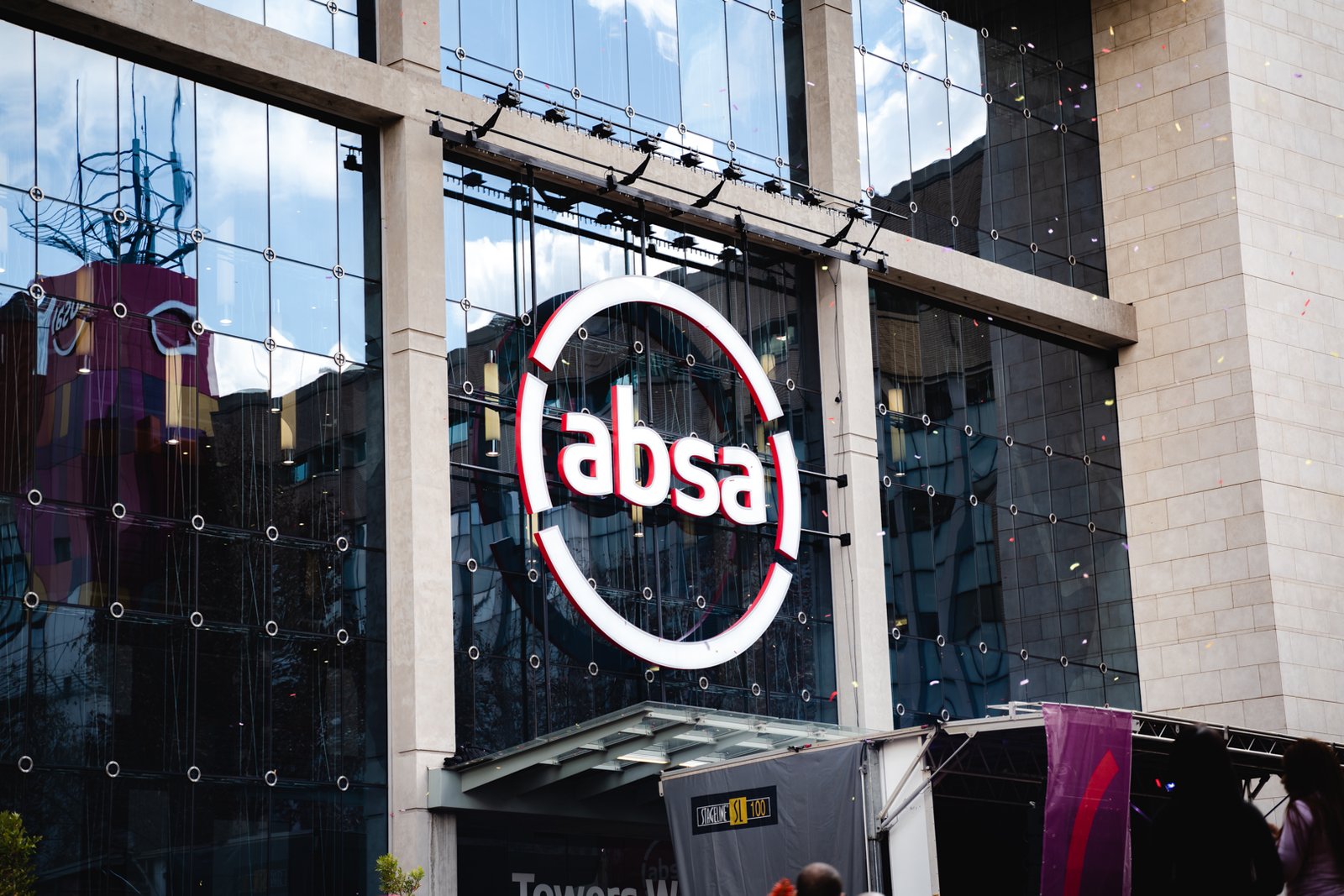
Meanwhile, South Africa’s Absa has launched digital-asset custody services for institutional clients, allowing eligible businesses and financial institutions to hold and administer selected crypto assets through a regulated banking platform. Absa says it intends to extend the offer to other African markets where approvals permit.
A more competitive continent
South Africa’s foreign direct investment inflows also rose to $3.03 billion in the second quarter of 2026, according to the South African Reserve Bank. Yet the increase was heavily influenced by debt funding from a non-resident parent to a domestic telecommunications company, so it should not be read as proof of a broad investment rebound.
Related DGBN reporting includes GSE equities index surges 73% as trading activity soars.
For wider context, see South Africa v Guinea preview: Mosimane’s Bafana return begins with Group D showdown in Soweto on Diajem Sports Network.
Taken together, these developments show a continent pursuing greater control: over mineral wealth, savings, technology and regional capital flows. Africa’s financial power map is not simply shifting between countries; it is shifting towards institutions able to convert local resources and regional markets into lasting economic influence.