

Photo: Sampa / Wikimedia Commons, CC BY-SA 4.0
Africa’s energy transition cannot be called just if households, farmers and ecosystems are left competing with new fossil-fuel projects for water.
Water is the overlooked test
Environmental lawyers Dr Jonty Cogger and Paul Wani Lado have urged policymakers to place water security at the centre of energy planning, arguing that proposed oil, gas and energy-intensive industrial projects must face transparent assessments of their full water demands before approval.
DGBN has also reported on British banks join $1.2bn Tanzania railway deal linking farms and mines to DRC trade route.
Writing ahead of COP31, the Centre for Environmental Rights attorneys said debates around energy security and investment too often overlook whether local water systems can carry the combined pressure of new developments, existing users and a worsening climate.
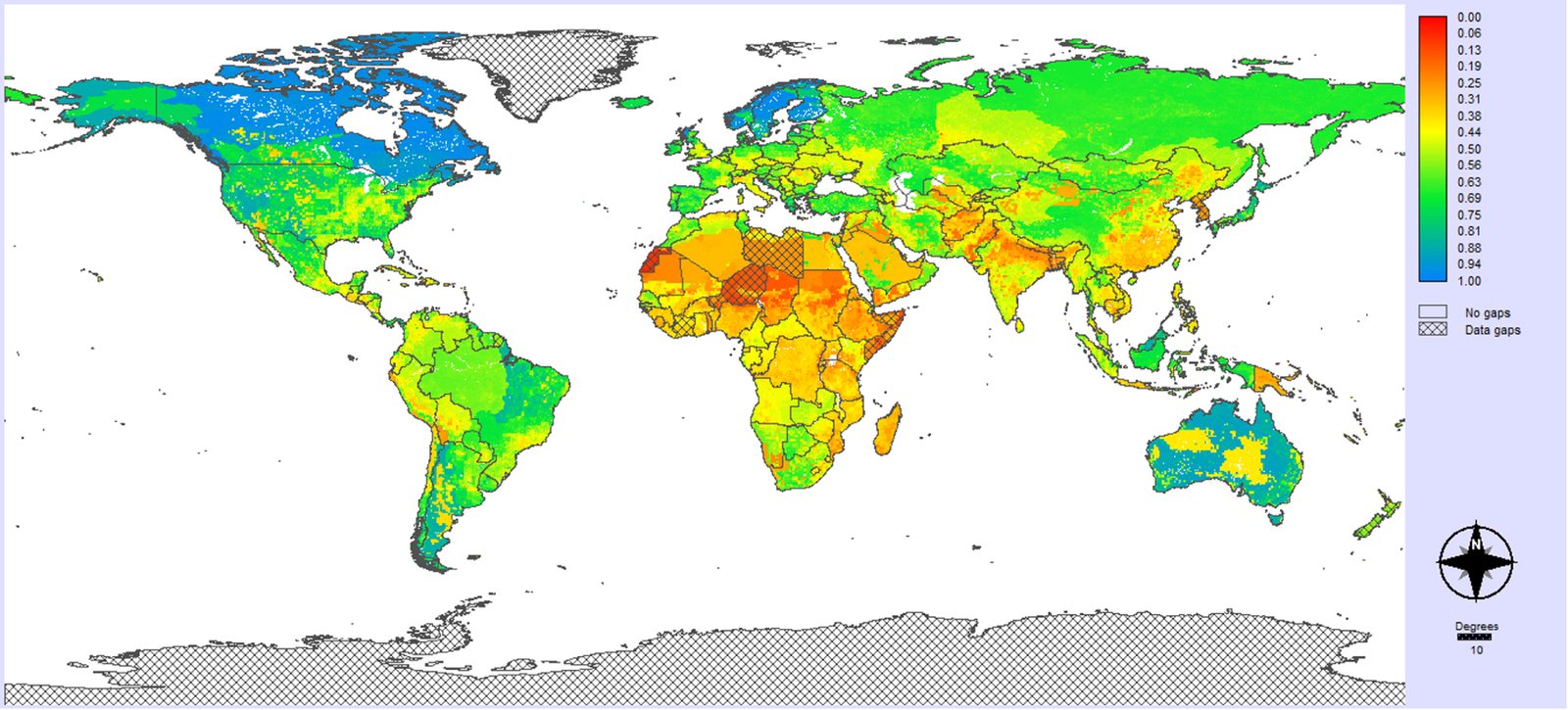
Their intervention is particularly pointed in South Africa, where water scarcity is already a structural national challenge. The government says the country is among the world’s 30 most water-scarce nations, with climate change expected to deepen drought risks and put further strain on water and sanitation infrastructure. (gov.za)
Gas expansion raises wider questions
Cogger and Lado argue that describing gas as a “transition fuel” does not settle the question of who receives the benefits of new infrastructure and who bears its environmental costs.
They call for public, independently verifiable disclosures on how much water projects require, where that supply would come from, how systems would cope during drought, and the cumulative impact of multiple developments in the same area.
The argument comes as the Centre for Environmental Rights has separately pressed for stronger transparency, public participation and environmental safeguards in South Africa’s draft Gas Bill. (cer.org.za)
For more context, read DGBN’s coverage of U.S. Mission highlights Chinasa Okolo’s role in shaping Africa’s AI future.
The writers do not reject the need for energy access or industrial development. Their central demand is that decision-makers prove that expansion will not compromise communities’ reliable access to water, lawful existing users, or ecosystem health.
Why this matters for Black communities
Water inequality is inseparable from economic inequality. In South Africa, communities with weaker infrastructure and fewer resources are often least able to absorb interruptions in water supply, while the country’s climate vulnerability is intensified by uneven access to services and the legacy of apartheid-era development. (nccis.environment.gov.za)
For Black communities across the continent, the issue reaches beyond a single country. The African Union’s recently launched Africa Water Vision 2063 places water and sanitation at the heart of development, climate-resilient investment and public accountability. (unwater.org)
That framework makes the warning from South Africa relevant across Africa: energy projects should not be assessed only by megawatts, export earnings or private investment. They must also be judged by whether they protect the water that communities need to live, grow food and build secure futures.
A demand for accountability
The authors’ proposal is straightforward: make water a firm limit in development decisions rather than an afterthought once energy and investment commitments have already been made.
South Africa’s government has meanwhile launched a National Water Action Plan aimed at improving dependable water supplies and tackling infrastructure, governance and service-delivery failures. (gov.za)
Related DGBN reporting includes KrosAI targets Africa’s voice AI bottleneck with local telecom infrastructure.
For wider context, see Ivory Coast 0-1 Cameroon: Nsongo wins it for the Indomitable Lions on Diajem Sports Network.
The test will be whether future energy policy is aligned with that commitment. A just transition, the advocates argue, must deliver power and opportunity without shifting the burden of scarcity on to communities already living with unreliable water.