
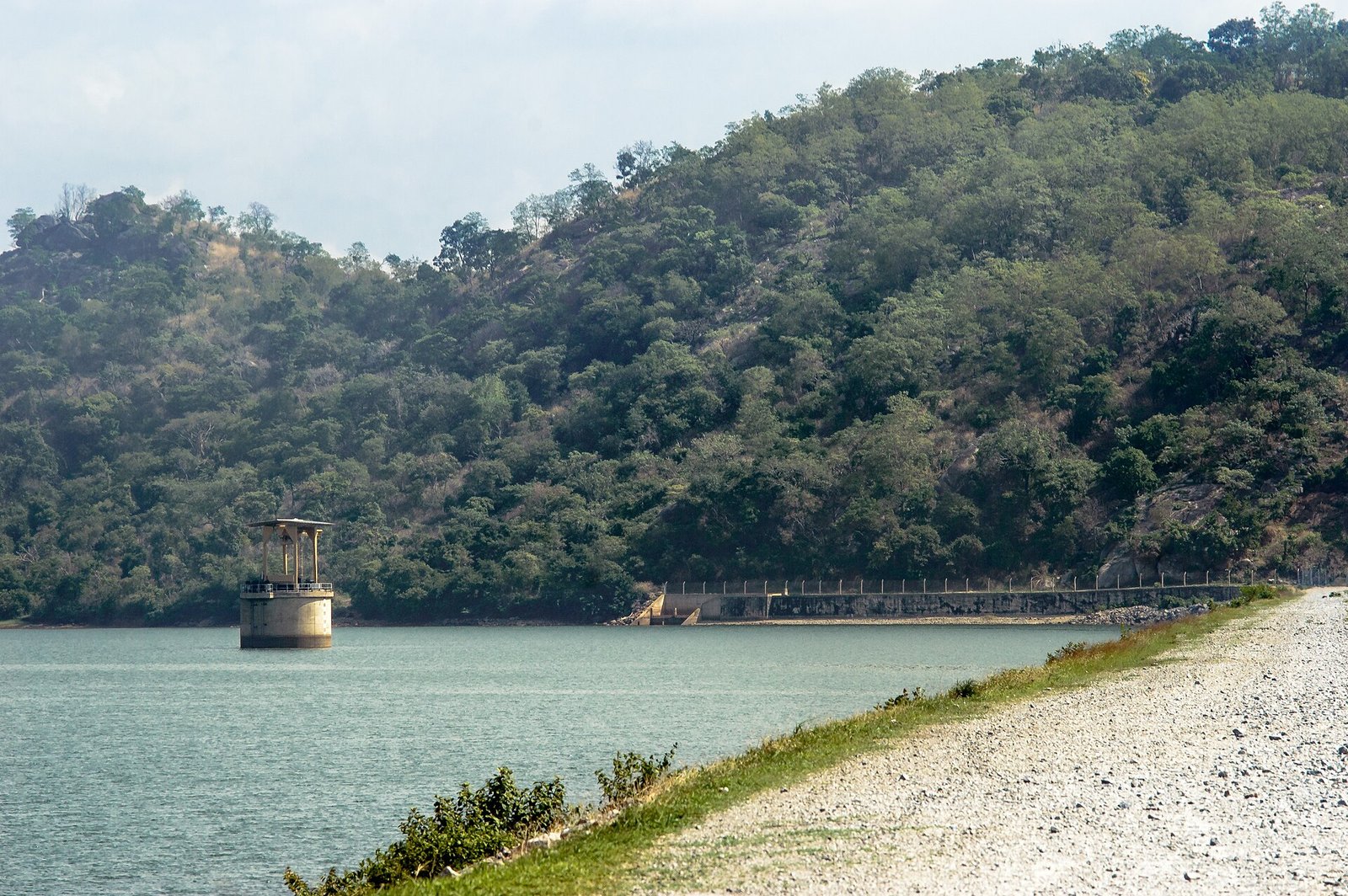
Photo: Turizimpressions / Wikimedia Commons, CC BY-SA 4.0
As Nigeria marks its 66th independence anniversary, residents and stakeholders in Bwari are pressing the Federal Government to ensure that growth in the capital reaches communities still living with inadequate public infrastructure.
A call beyond anniversary speeches
The appeal, reported by the News Agency of Nigeria, puts a local focus on a national debate: whether Nigeria’s development is being felt in everyday life.
DGBN has also reported on Nigeria Records US$6.3bn Net Portfolio Inflows as Remittances Support FX Liquidity.
Original source: Original source.
Bwari Area Council sits within the Federal Capital Territory, close to Abuja’s central districts but home to a mix of fast-growing settlements, indigenous communities and farming areas. Stakeholders say the distance between the seat of federal power and basic services in many communities remains too wide.
Their concerns reflect longstanding pressure around access roads, reliable power, water, healthcare, schools and jobs. In Bwari, infrastructure is not only a question of convenience; it shapes whether residents can get produce to market, reach hospitals, attend school and build sustainable small businesses.
Roads and services remain central
There has been visible road activity in the FCT. In August, FCT Minister Nyesom Wike inspected the dualisation of the 14-kilometre Bwari–Kubwa Satellite Town access road, describing it as an intervention intended to improve movement and stimulate economic activity in satellite communities.
For more context, read DGBN’s coverage of Tortoise and the $1bn rain that came after the harvest, By Festus Adedayo.
But local demands show that major corridors alone will not resolve the wider deficit. Communities also need reliable feeder roads, drainage, public transport links and services that keep pace with population growth.
Bwari’s needs have been raised in other forums. A June report on the AMAC/Bwari federal constituency identified inadequate infrastructure, limited healthcare and weak education provision among the key challenges facing residents. Earlier reporting from Baragoni, an agrarian community in Bwari, documented residents’ calls for better access roads and stronger support for local schools.
Why this matters
For Black communities across Nigeria, the issue is a test of whether independence-era promises translate into practical equality. Abuja is often presented as a symbol of national ambition, yet its surrounding and satellite communities can still be excluded from the benefits associated with a modern capital.
Infrastructure investment can reduce the cost of moving people and goods, widen access to education and healthcare, and help young people turn skills and enterprise into dependable incomes. It can also support agricultural communities whose livelihoods depend on affordable transport, storage, energy and access to markets.
Nigeria’s independence anniversary has renewed calls for unity and accountability from leaders across the country. In Bwari, stakeholders are adding a clear demand: national progress must be measured not simply by new projects announced, but by whether basic public services reach residents consistently.
Related DGBN reporting includes From Abuja to Hangzhou (2): Thrills, frills and the Chinese ‘smart life’, By Max Amuchie.
The Federal Government and FCT authorities have not issued a detailed public response to the specific Bwari appeal reported by NAN. The challenge now is to convert the call into funded, transparent and deliverable projects that communities can see and use.