
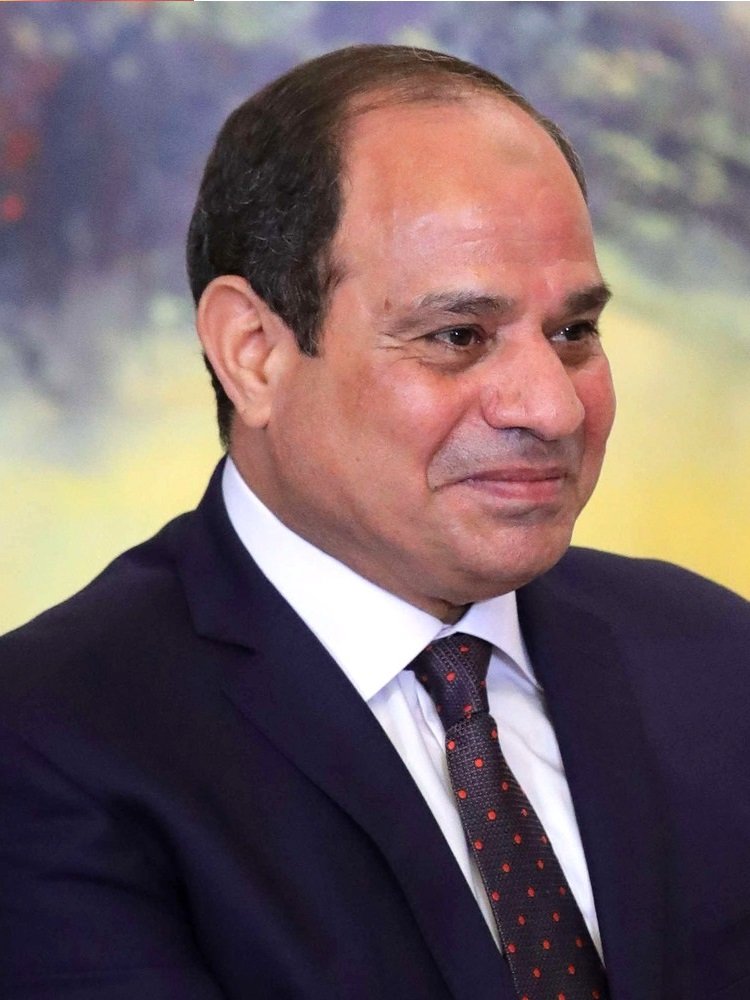
Photo: Official Internet Resources of the President of Russia (Cropped) / Wikimedia Commons, CC BY 4.0
President Abdel Fattah el-Sisi’s participation in Moscow has underlined Egypt’s growing value to both Russia and China as they seek deeper influence across Africa and the wider Global South.
A pivotal African and Arab partner
At the third Russia-Africa Summit in Moscow, held on 28-29 October, Sisi joined African leaders in adopting a final declaration, an artificial-intelligence cooperation declaration and a 2027-2029 Russia-Africa partnership action plan. Egypt’s presidency said he also held talks with Vladimir Putin on expanding their strategic partnership.
DGBN has also reported on Kiir returns to Juba after Moscow summit as South Sudan pursues Russian investment.
The immediate significance is not that Egypt is choosing one external power over another. Cairo is pursuing a multi-aligned foreign policy: working with Russia on energy, industry and food security, maintaining longstanding ties with the United States and Europe, and expanding a major economic relationship with China.
That balancing act gives Egypt unusual weight. It is an African state, an Arab power and the guardian of the Suez Canal, one of the world’s most important trade corridors linking Asia, Africa and Europe.
Why China gains from Egypt’s role
China was not the host in Moscow, but it has a strong interest in Egypt becoming a more influential connector between African economies and non-Western institutions. During Xi Jinping’s September visit to Cairo, Egypt and China agreed to align Egypt’s Vision 2030 with Belt and Road cooperation, with the stated aim of developing Egypt as a regional hub for industry, logistics, clean energy and the digital economy.
This matters because Chinese commercial interests depend not only on infrastructure but also on reliable trade routes, industrial zones and political relationships across Africa. Egypt’s geography, manufacturing ambitions and access to the Suez Canal make it an especially valuable partner in that model.
For more context, read DGBN’s coverage of Nigeria stakeholders press for local drug-ingredient production to strengthen medicine security.
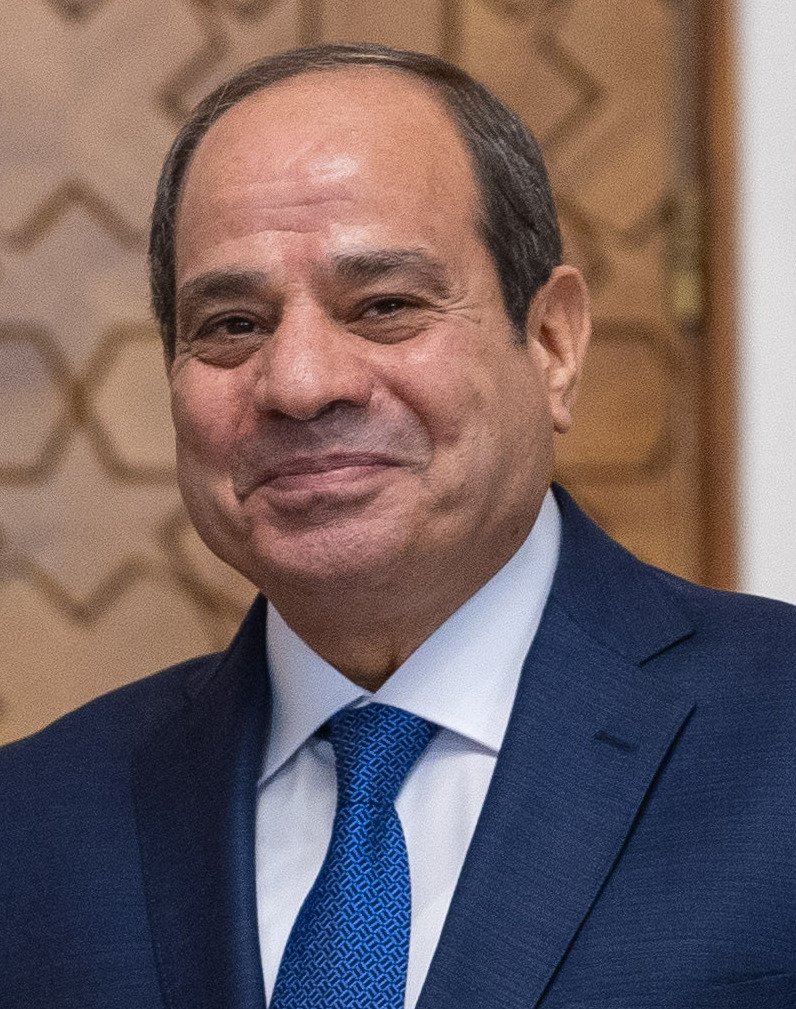
For African countries, the question is whether such partnerships deliver local jobs, technology transfer, cheaper logistics and sustainable financing — rather than simply increasing dependence on foreign capital and imported goods.
Russia’s African agenda and Egypt’s leverage
Russia is also looking to deepen its African relationships at a time when it faces pressure from Western sanctions and seeks new markets, diplomatic partners and political support. Putin told the Moscow summit that Russia and African states were natural allies in building a multipolar world.
Egypt has practical reasons to engage. Its government points to the El Dabaa nuclear power plant and the planned Russian Industrial Zone in the Suez Canal Economic Zone as flagship projects, alongside cooperation in trade, investment, energy and grain supplies.
Food security is particularly important. Egypt is among the world’s largest wheat importers, making stable grain flows a major national concern — and a matter with direct consequences for household prices.
BRICS is the shared platform
Egypt’s BRICS membership gives these relationships a wider political and economic setting. Cairo joined the expanded grouping in January 2024, alongside other states seeking greater influence in global economic governance.
Modern Diplomacy argued that Sisi’s Moscow trip could serve China’s broader strategic interests. That is an interpretation, not an official policy statement. But the underlying facts are clear: Egypt is building links with Beijing and Moscow while using BRICS and African forums to press for a larger Global South voice.
Related DGBN reporting includes GO Ventures joins €2m SPASH round as Malta telecom group bets on sports AI.
For wider context, see Ivory Coast 0-1 Cameroon: Nsongo wins it for the Indomitable Lions on Diajem Sports Network.
For Black communities across Africa and the diaspora, the stakes lie in whether this new diplomatic competition produces African-led development, fairer representation and greater economic autonomy — or merely rearranges outside influence on the continent.