

G7 countries have agreed to release 100 million barrels of diesel, crude oil and other emergency reserves through the International Energy Agency in an effort to ease pressure on global energy markets.
The release is expected to begin immediately and run over four months, with a significant volume of diesel due to enter the market during the first 20 days.
The decision follows severe pressure on refined-fuel markets and comes after an earlier IEA-coordinated emergency release announced in March.
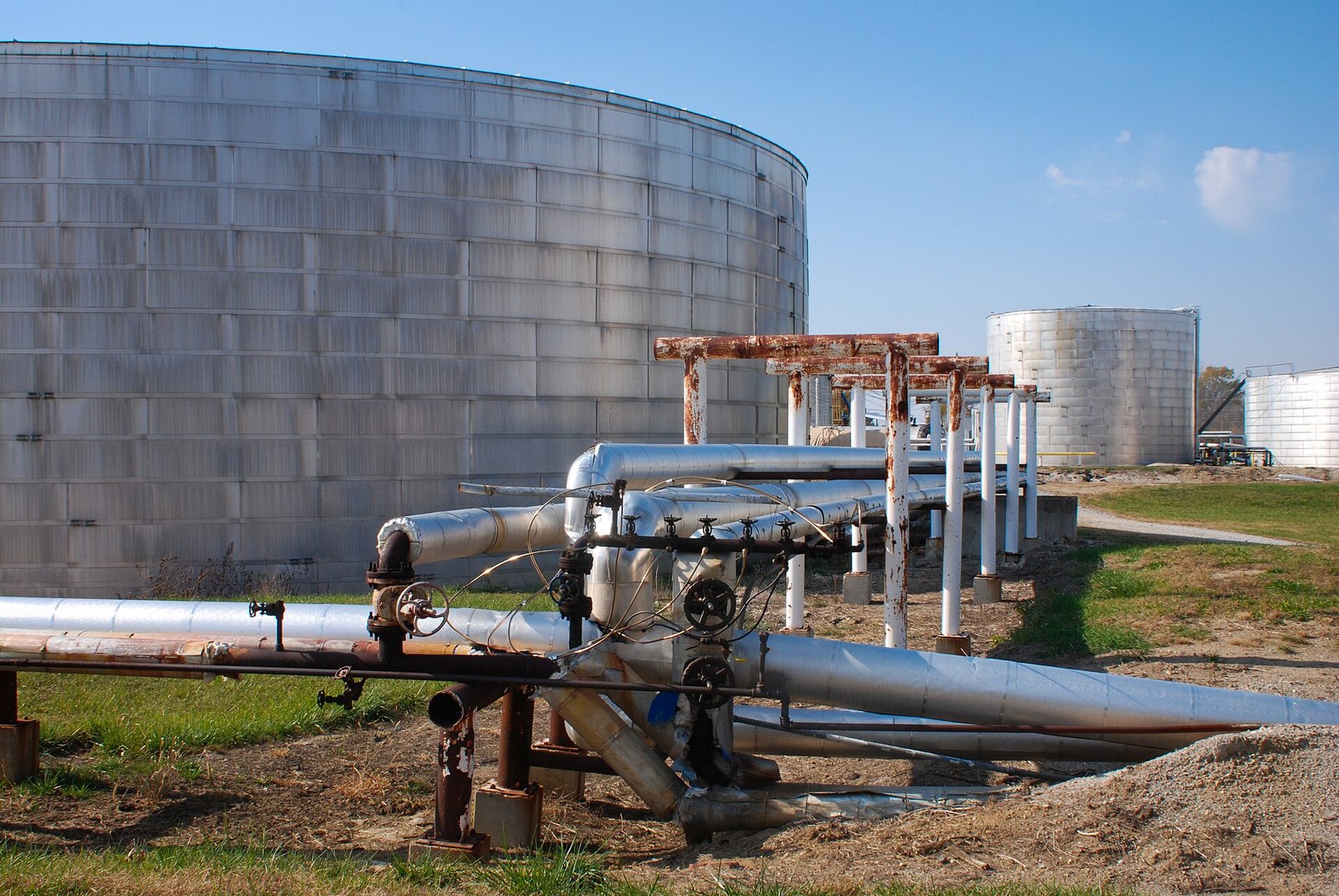
Why this matters beyond the G7
The announcement is especially relevant to African and Caribbean economies that depend heavily on imported refined petroleum products.
Higher diesel and petrol prices feed into the cost of trucking, shipping, electricity generation, food distribution, construction and other business activities.
IEA Executive Director Fatih Birol said oil prices had started to fall after the announcement, with a decline of about US$5 following the decision.
That immediate market reaction should not be interpreted as a guarantee that petrol or diesel prices will automatically fall by the same amount in individual African or Caribbean countries.
Local fuel prices depend on more than oil
Retail pump prices are also influenced by exchange rates, taxes, subsidies, refinery margins, shipping costs, storage, local distribution expenses and the timing of fuel inventories already purchased by importers.
A country with a weakening currency can therefore continue to face high local fuel costs even when international oil prices decline.
Likewise, some African oil-producing countries still import significant quantities of refined fuel, meaning the relationship between crude prices and domestic pump prices can remain complicated.
The G7 agreement also includes a commitment to avoid new energy-export restrictions between members, reducing the risk of additional disruption to fuel trade.
For DGBN audiences, the next indicators to watch are global diesel prices, Brent crude, freight costs and whether fuel-importing African and Caribbean governments adjust domestic pump prices in response to changing wholesale conditions.
Read more from DGBN’s Finance desk, Africa desk and Caribbean desk.