
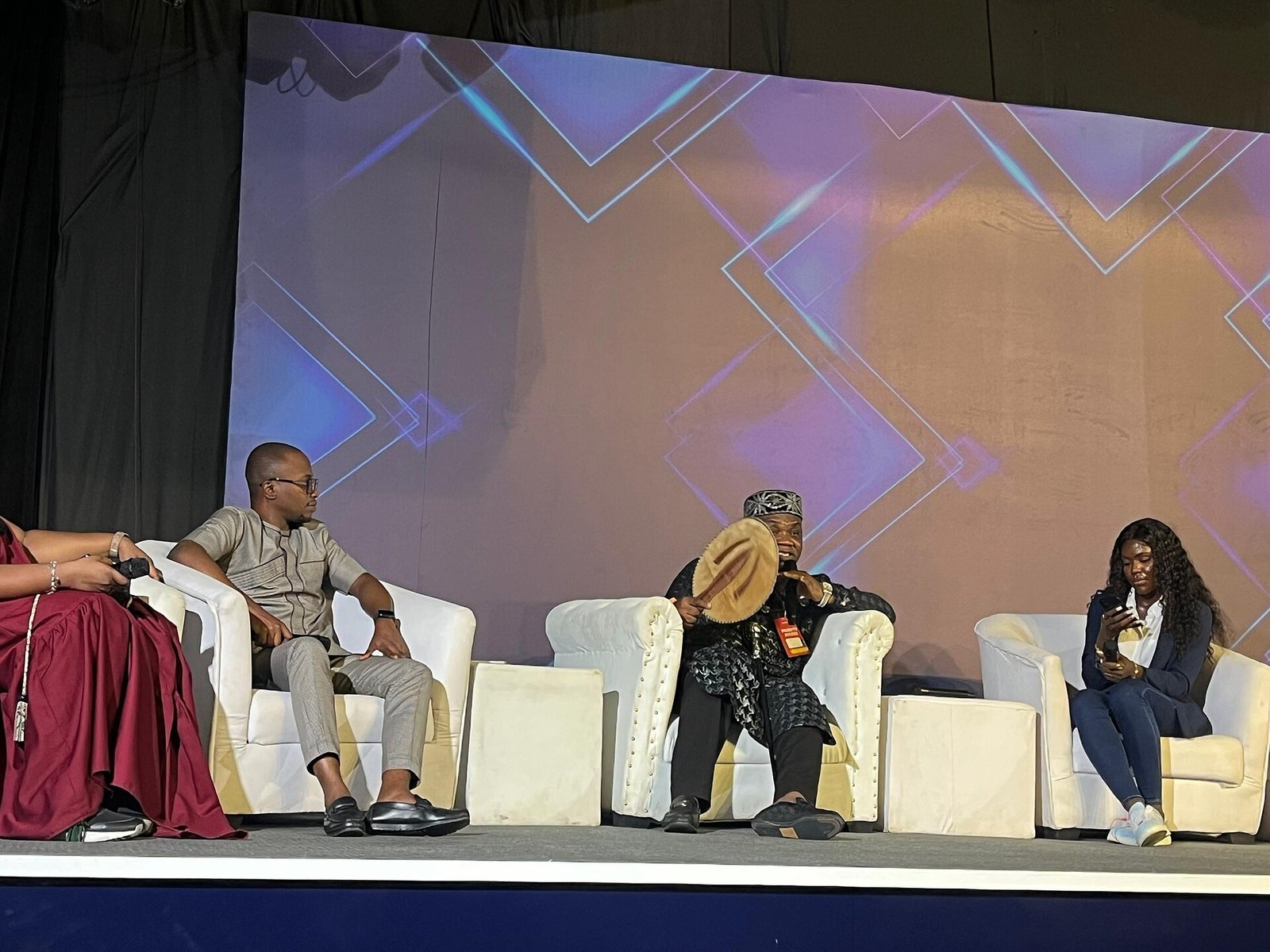
Photo: Iwai-Dialax / Wikimedia Commons, CC BY 4.0
Twenty-six Nigerian startups have held 61 pre-arranged meetings with 16 venture investors in a Lagos initiative designed to make fundraising more targeted for early-stage founders.
A different route to investor access
The Investor Connection Drive, organised by innovation intelligence firm Magna Collective, took place on 27 October. It was backed by Google for Startups, the UK-Nigeria Tech Hub and the Office for Nigerian Digital Innovation (ONDI).
DGBN has also reported on NITDA and US Chamber delegation explore digital economy investment in Nigeria.
Rather than placing founders in a general pitching room, Magna said it paired companies and investors by sector, investment stage and likely cheque size. Investors reviewed and approved proposed meetings before the event, aiming to ensure that founders spoke to funders already open to hearing their case.
The participating businesses work across fintech, health, artificial intelligence, logistics, energy, agriculture and education. More than two-thirds have women in leadership roles, while 11 have previously taken part in Google programmes, including the Google for Startups Accelerator Africa and Black Founders Fund.
Funding recovery, but not for everyone
The drive comes as Nigeria has returned to the top of Africa’s startup funding tables by total capital raised. Africa: The Big Deal reported that Nigerian-headquartered startups secured $635 million in the first nine months of 2026, 2.6 times the amount recorded over the same period in 2025.
But the headline figure masks sharp concentration. Moove’s $250 million round, alongside large raises by Flutterwave, Jumia and Yellow Card, accounted for a substantial share of the total. Only 77 Nigerian startups raised at least $100,000 in the period.
That makes access to the right investor a decisive issue for smaller companies, particularly those building products for African markets without the profile or networks of established scale-ups.
For more context, read DGBN’s coverage of Nigeria’s data-localisation drive tests whether sovereignty can go beyond server space.
Kelvin Umechukwu, co-founder and chief executive of commerce platform Bumpa, said he met four growth-stage investors through the programme. He said the pre-screening meant discussions began after investors had already considered the company’s materials.
Lexi Novitske, a general partner at Norrsken22, said the structure made it easier for investors to identify businesses that could fit their investment pipeline.
What happens next
Magna Collective says it will follow the conversations and potential capital commitments for six months before publishing findings. No investments or deal values arising from the meetings have yet been announced.
That distinction matters. Introductions can open doors, but Nigeria’s startup ecosystem will judge the programme by whether conversations move into due diligence, term sheets and completed funding rounds.
For Black founders across Nigeria and the wider diaspora, the model speaks to a persistent imbalance in venture finance: talent and viable ideas often exist well before access to decision-makers. Better matching cannot solve every funding gap, but it can reduce the costly reliance on cold outreach and networks historically unavailable to many emerging entrepreneurs.
ONDI, which supports Nigeria’s digital innovation agenda, says its role is to help founders build, scale and compete globally. The UK-Nigeria Tech Hub has also positioned stronger investment links between Nigerian companies and UK capital markets as part of its work.
Related DGBN reporting includes AfriTECH 6.0 and ATAEx Awards set for Lagos on 13 November.
The immediate test for Magna’s initiative is therefore simple: whether carefully selected introductions translate into capital for the founders most often left outside the largest deals.