
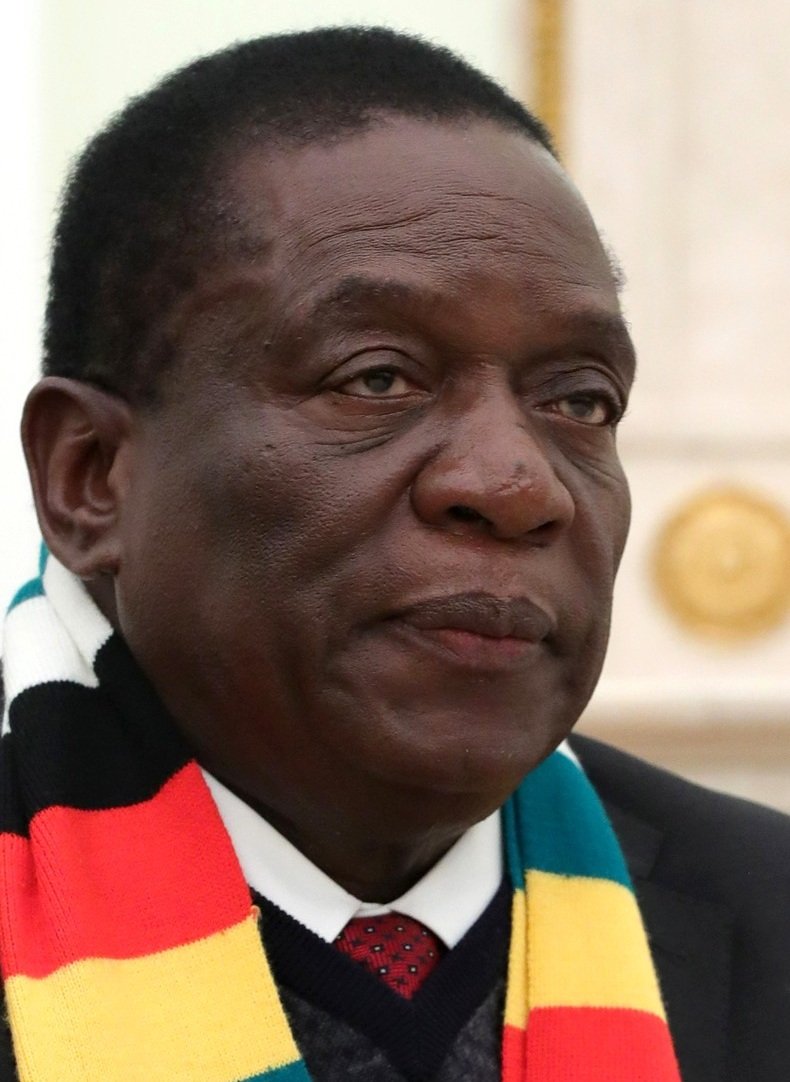
Photo: kremlin.ru / Wikimedia Commons, CC BY 4.0
President Emmerson Mnangagwa has taken Zimbabwe’s economic-development agenda to Moscow, positioning trade, industrial growth and youth employment at the centre of his country’s engagement with Russia and African partners.
Seeking practical gains
Mnangagwa arrived in the Russian capital on 26 October ahead of the third Russia-Africa Summit and its Economic and Humanitarian Forum, scheduled for 28-29 October.
DGBN has also reported on Afreximbank says Harare trade centre is 80% complete.
Zimbabwean officials say the President’s programme includes bilateral talks with Russian President Vladimir Putin and meetings with Russian business figures. The stated aim is to turn diplomatic ties into investment, expanded trade and cooperation in priority sectors.
Harare has identified energy, food security, digital transformation, technology and industrial development as areas where it wants practical partnerships. Zimbabwe’s delegation is also expected to promote economic diversification and job creation, particularly for young people.
A regional platform
Mnangagwa is attending in his capacity as chair of the Common Market for Eastern and Southern Africa, known as COMESA. That role gives Zimbabwe an opportunity to place regional trade and economic integration alongside its national priorities.
For more context, read DGBN’s coverage of Africa e-mobility forum urges faster investment and regional industrial strategy.
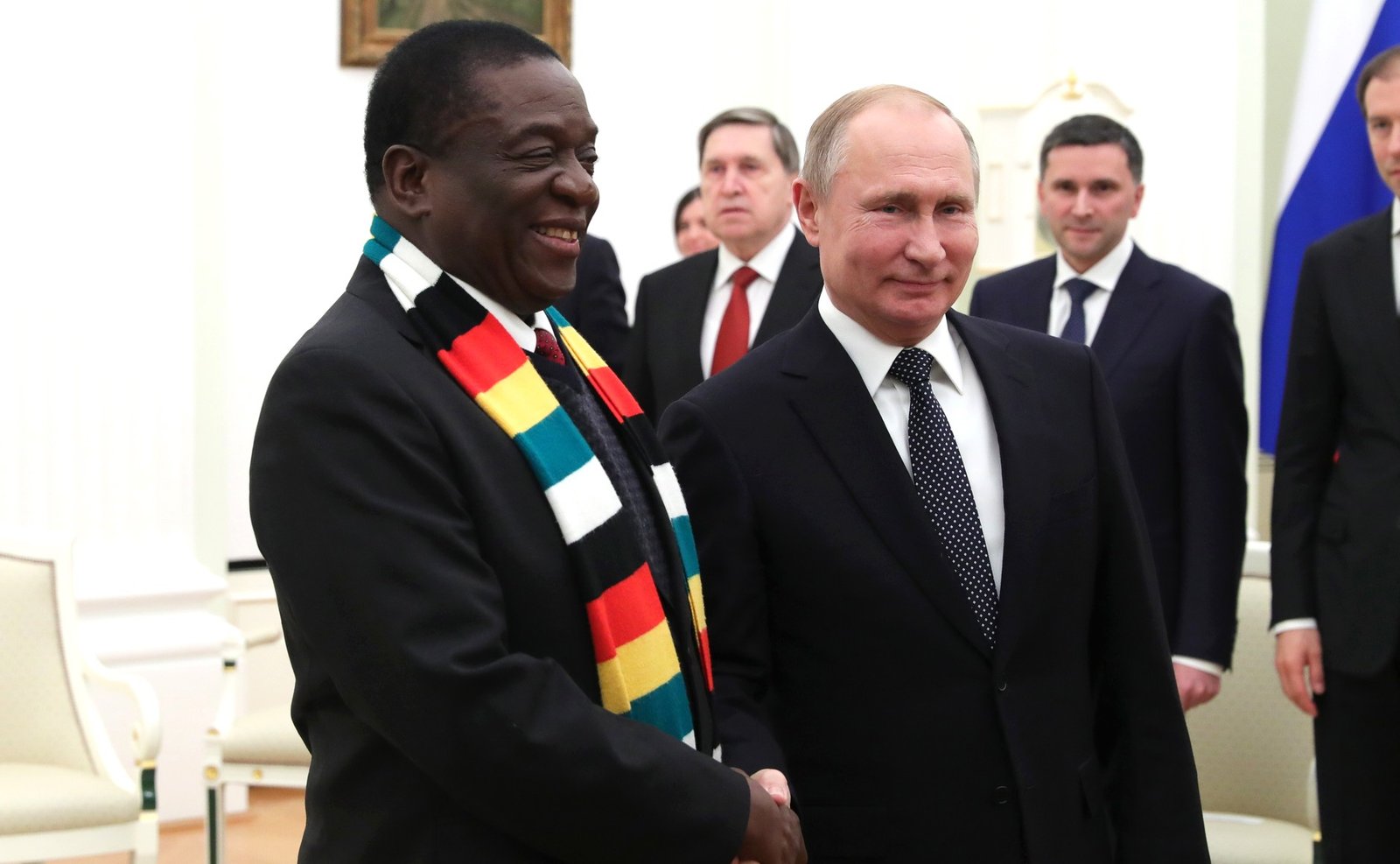
The Kremlin has said 48 African countries confirmed participation in the summit, with 22 expected to send heads of state. African regional institutions, including the African Union, the African Continental Free Trade Area and COMESA, have also been invited.
For Zimbabwe, the Moscow meetings are part of a wider attempt to broaden its commercial relationships beyond traditional partners. The country has long maintained close political and economic links with Russia, while seeking external capital and technology to strengthen mining, agriculture, energy and manufacturing.
Why it matters
The summit comes as African governments press for partnerships that deliver visible domestic outcomes rather than declarations alone. For Black communities across the continent and diaspora, the test is whether high-level diplomacy produces jobs, reliable energy, food resilience, skills and improved infrastructure.
Zimbabwe’s government has framed the visit as an economic mission. Any agreements announced in Moscow will require scrutiny over their financing, implementation timetable and local benefits, including whether Zimbabwean workers and businesses gain a meaningful share.
The gathering also reflects Africa’s continued push to engage multiple global powers on its own terms. With trade, technology and food systems increasingly shaped by geopolitical competition, African states are seeking room to negotiate deals that support industrialisation and regional value chains.
Related DGBN reporting includes Aid system is broken, African Civil Society leaders say; 200 gather in Accra to build a new Africa-Led model.
Mnangagwa’s Moscow visit is therefore more than a diplomatic appearance: it is a test of whether Zimbabwe can convert political relationships into measurable development at home.