
Photo: Philippe Hässig/Wikimedia Commons · CC BY-SA 2.0
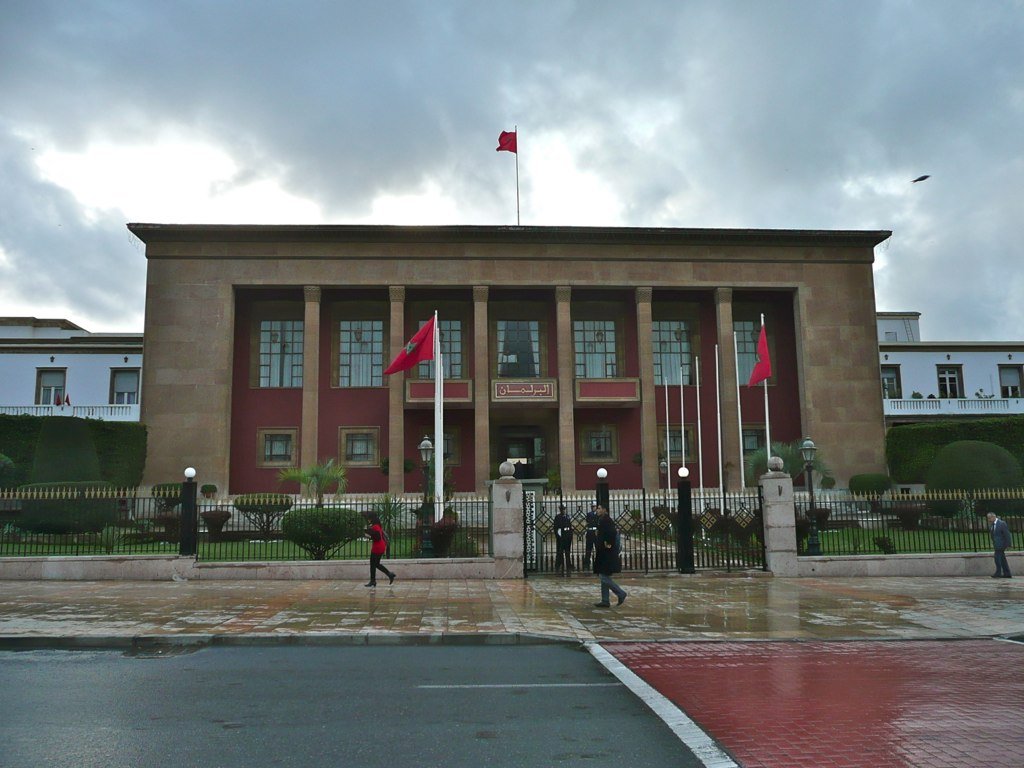
Morocco’s post-election government formation process moved into active coalition talks on Wednesday, with designated Head of Government Fatima Ezzahra El Mansouri meeting a series of party leaders in Rabat as she seeks to build a parliamentary majority.
El Mansouri, whose Authenticity and Modernity Party (PAM) emerged from the 23 September legislative election with 97 seats, opened consultations with the National Rally of Independents (RNI). RNI president Mohamed Chouki described the discussion as clear and frank and said his party would decide its next steps through its own internal institutions.
The RNI finished second in the election with 66 seats. It had governed with PAM and the Istiqlal Party during the outgoing term, but campaign tensions had created uncertainty over whether the three parties would work together again.
Istiqlal keeps its options open
El Mansouri also met Istiqlal Secretary-General Nizar Baraka. Istiqlal won 65 seats and has not yet committed itself to government or opposition. Baraka said the party’s National Council would consider its position, while stressing issues including employment, investment, purchasing power and public confidence in politics.
Further talks were held with the Popular Movement, the Socialist Union of Popular Forces and the Party of Progress and Socialism. PPS leader Nabil Benabdellah said his party had identified areas of common ground with PAM but had not decided whether to join the government. The Justice and Development Party, which won 54 seats, has already said it intends to remain in opposition.
At the time of publication, no final coalition agreement had been announced. That distinction matters because meetings between parties are part of the constitutional process of forming a government, but they do not by themselves establish which parties will ultimately hold cabinet positions.
A new phase after the election
El Mansouri was appointed after PAM finished first in the parliamentary vote, making her the first woman appointed to head Morocco’s government. Her immediate task is to assemble sufficient parliamentary support and then form an administration capable of winning confidence in the House of Representatives.
The coalition arithmetic will shape the next phase of Moroccan politics, particularly around jobs, living costs, investment and social policy. It will also determine whether former coalition partners return to government together or whether the election produces a substantially different governing arrangement.
DGBN has previously reported on Morocco’s growing role in continental institutions, including the Africa Prosecutors Association establishing its permanent headquarters in Morocco. Across the continent, questions of political institutions and regional cooperation are also being followed through developments such as the African Union’s extraordinary summit process and wider debates over political transparency and regional standards in West Africa.