
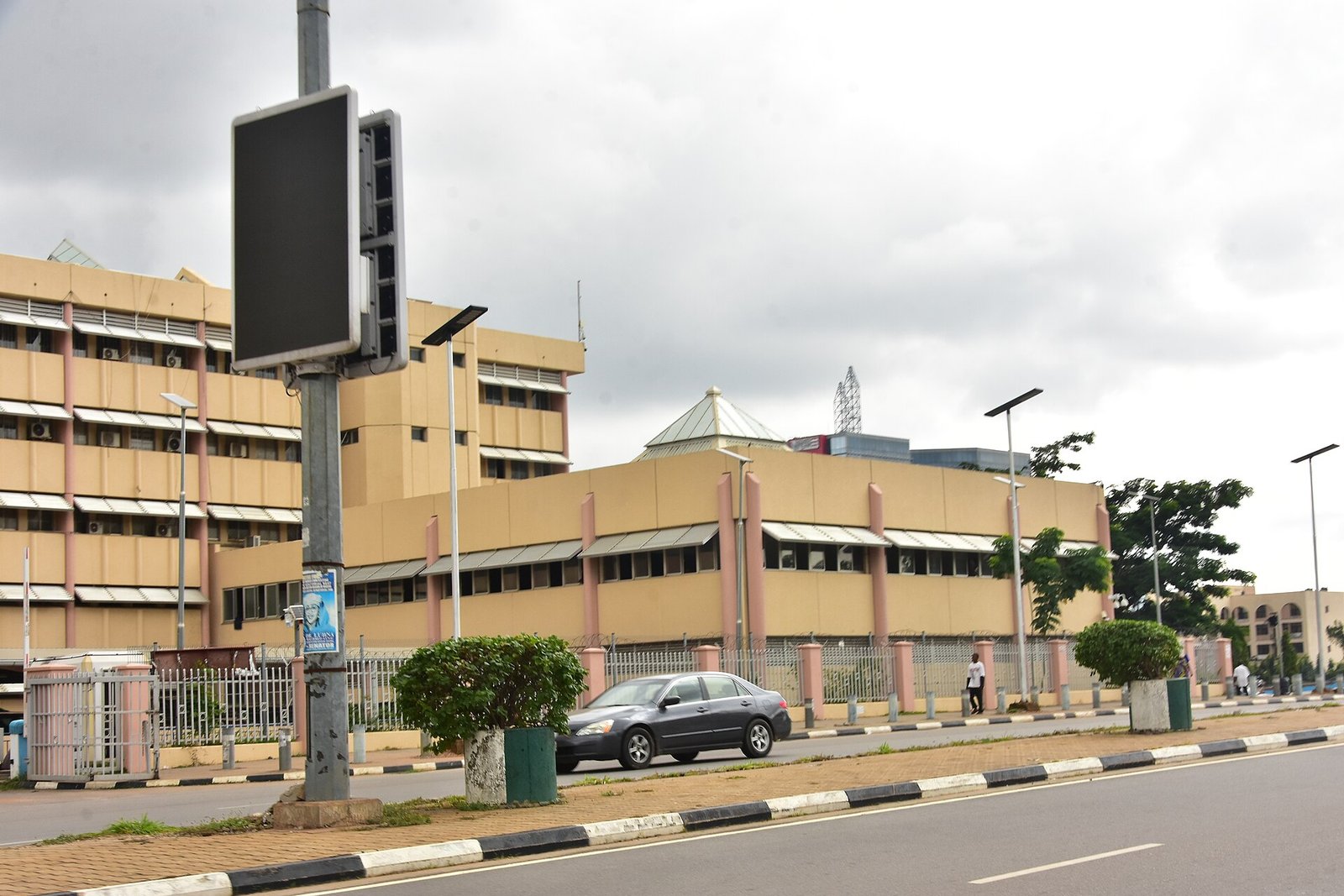
Photo: Jummy001 / Wikimedia Commons, CC BY-SA 4.0
Nigeria is preparing to use its vast government technology budget to accelerate local cloud infrastructure and bring more public data under domestic control.
Public spending becomes policy lever
The National Information Technology Development Agency (NITDA) says 326 federal ministries, departments and agencies spent more than ₦3.8 trillion on technology between June 2023 and October 2026.
DGBN has also reported on Why Nigeria is missing from Airtel Money’s $7bn IPO.
NITDA Director-General Kashifu Inuwa Abdullahi disclosed the figure at an Executive Regulatory Dialogue on Data Localisation in Lagos on Wednesday. He said the agency was working with the Budget Office to improve compliance and make government procurement a driver of local digital capacity.
The strategy is part of Nigeria’s National Sovereign Cloud Initiative, which seeks to reduce duplication across public bodies while increasing the use of domestic cloud, data-centre and cybersecurity services.
Nigeria’s Digital Cloud Policy, unveiled in August, already calls for a stronger Cloud First approach across government, including aggregated procurement and shared digital infrastructure. The policy does not impose blanket localisation on commercial data, but sets sovereignty requirements for defined government and regulated information.
Financial sector first
The immediate test is the financial sector. The Central Bank of Nigeria has set 1 January 2027 as the deadline for payment transaction data generated in Nigeria to be stored and managed within the country.
For more context, read DGBN’s coverage of Nigeria’s data-localisation drive tests whether sovereignty can go beyond server space.
Abdullahi said the government plans to use lessons from that process before setting a separate deadline for ministries, departments and agencies. He argued that coordinated cloud adoption could improve public-service delivery and curb agencies buying overlapping systems.
CBN Payments System Supervision Director Rakiya Opemi Yusuf said much of the bank’s data was already held locally, but work was continuing to bring remaining secondary data into Nigeria. She said regulators would prioritise engagement with institutions, while deliberate non-compliance could draw sanctions.
Opportunity — and a delivery test
The proposal could create substantial opportunities for Nigerian-owned data centres, cloud providers, cyber-security firms and technology professionals. NITDA has said businesses in Nigeria spend more than $850 million annually on cloud services, money it believes can increasingly support capacity built inside the country.
For Black tech entrepreneurs and workers, the policy could mean greater access to government contracts and more room to build services that retain skills, revenue and intellectual value in Africa’s largest digital market.
But localisation is not simply a question of where servers sit. It will require dependable electricity, resilient fibre links, effective cyber-security, skilled staff, disaster recovery arrangements and procurement rules that do not compromise quality or competition.
Related DGBN reporting includes Africa’s AI ambitions face implementation and data governance test.
Nigeria’s government has not yet published a full cost estimate for extending the policy to all public institutions, nor said how much of the ₦3.8 trillion technology spend can realistically move to local cloud platforms. The scale of that gap will determine whether digital sovereignty becomes practical infrastructure or remains a policy ambition.